
More than a decade after the Great East Japan Earthquake and tsunami of 2011, the Sanriku coast remains one of Japan’s most important regions for understanding how communities recover after disaster. This program follows the coastline from northern Tohoku down to Kesennuma, combining coastal landscapes, local livelihoods, disaster memory, andcommunity-based learning. Students begin with the ecology and fishing culture of Hachinohe and the Tanesashi Coast, continue south through Fudai and Jodogahama, and then focus more directly on people, preparedness, and the lived experience of the tsunami in Kesennuma. Along the way, students take part in trail-based learning, stewardship work with local partners, visits to preserved disaster sites, and workshops that explore how communities prepare for future risk. The program includes cultural activity of Japanese archery in Kesennuma before returning to Tokyo. By the end of the week, students will have a clearer understanding of how resilience is shaped not only by infrastructure, but also by leadership, local identity, environmental stewardship, and the relationship between people and place.
Resilience & Recovery in Tohoku
Day 1
Morning: Arrive in Tokyo and meet the guide team at the airport. Transfer by private coach to the hotel.
Afternoon: Time to rest and settle in after arrival. If timing allows, there may be a short orientation in the city.
Evening: Welcome dinner and opening briefing on the week ahead.
Sample Itinerary
Day 2
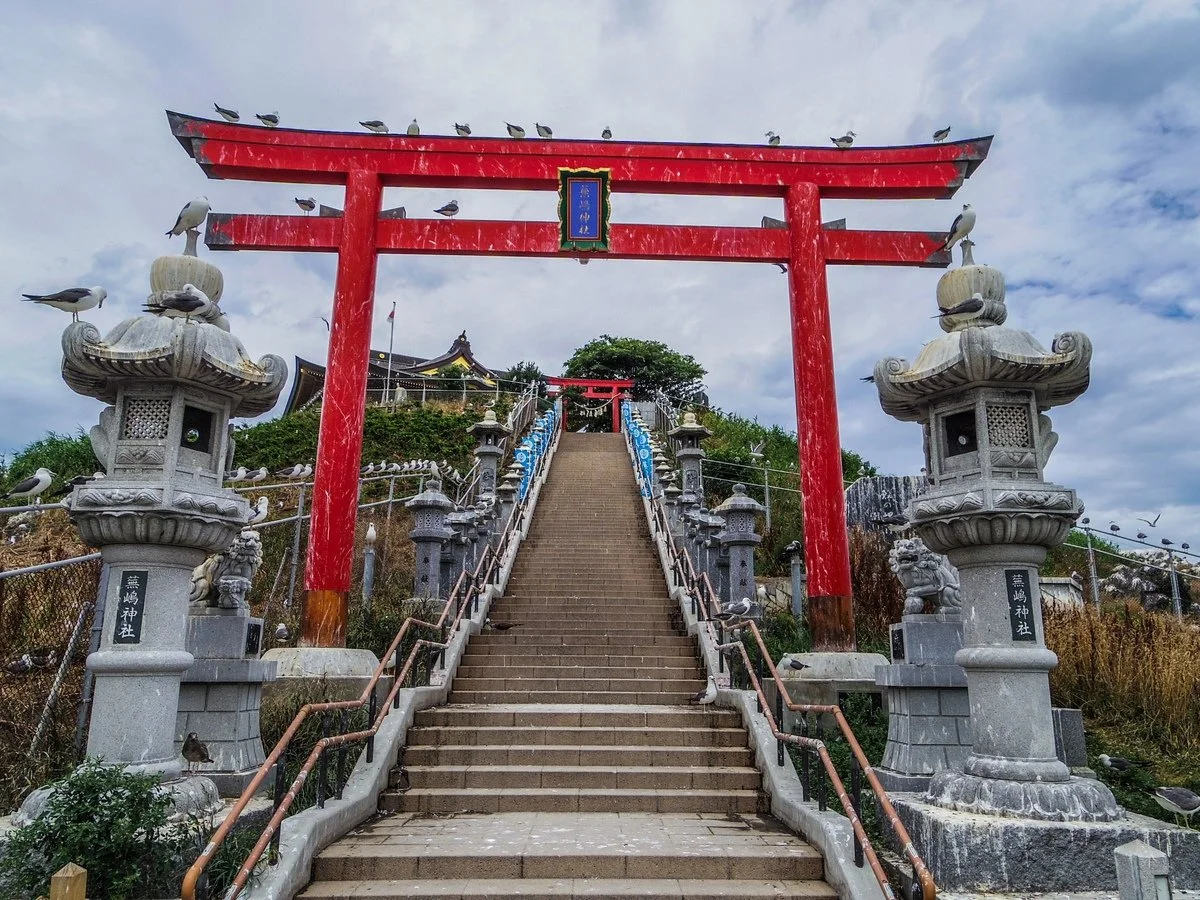
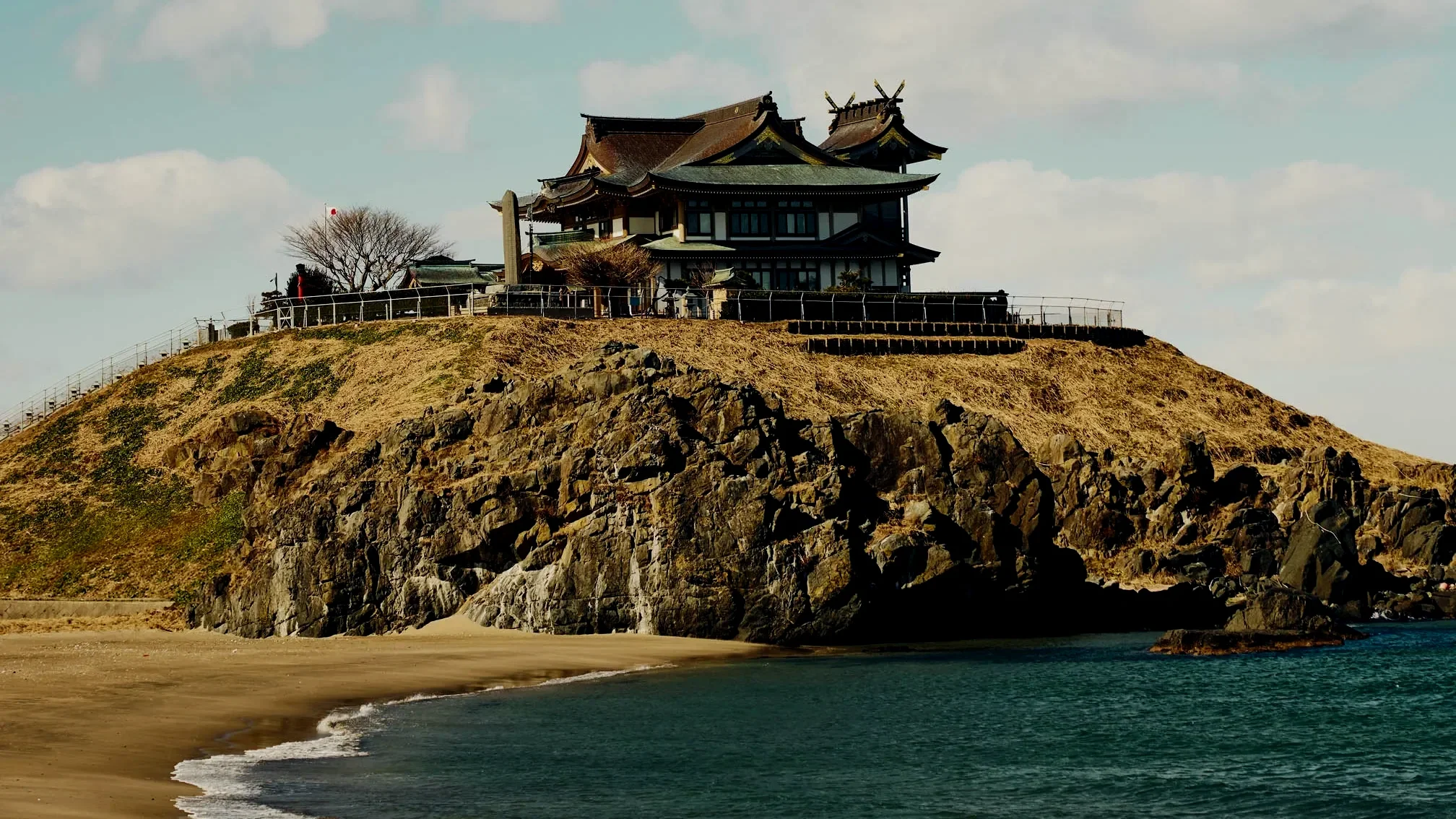
Morning: Depart Tokyo by Shinkansen for Hachinohe. On arrival, continue by private coach to Kabushima Shrine.
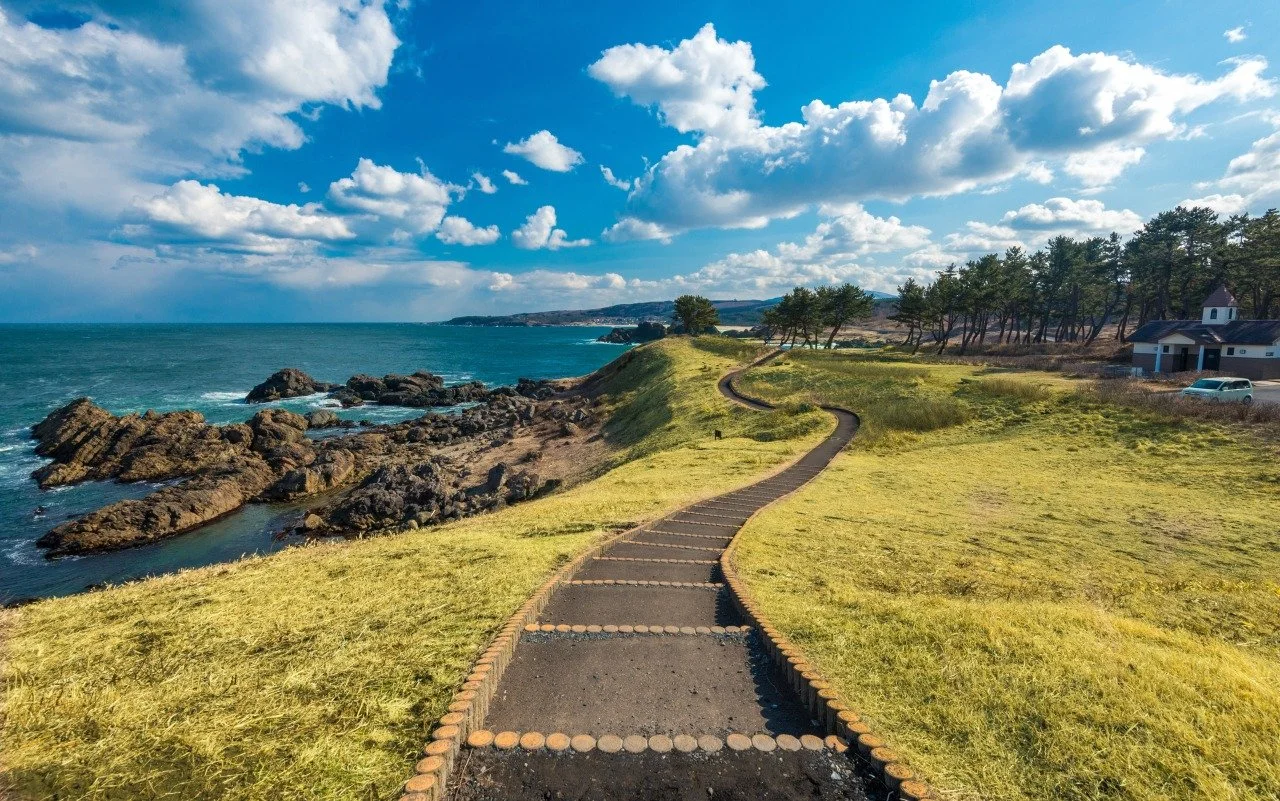
Afternoon: Lunch at the Fisherman's Wharf area, followed by a visit to the Tanesashi Coast. Walk a scenic trail section, visit the local visitor center, and join a locally run NPO activity before continuing south by bus.
Evening: Check in, dinner, and short reflections.
Day 3
Morning: Begin the day with a trail section from the coast toward Fudai. This provides an active introduction to the landscape before the day’s resilience-focused learning.
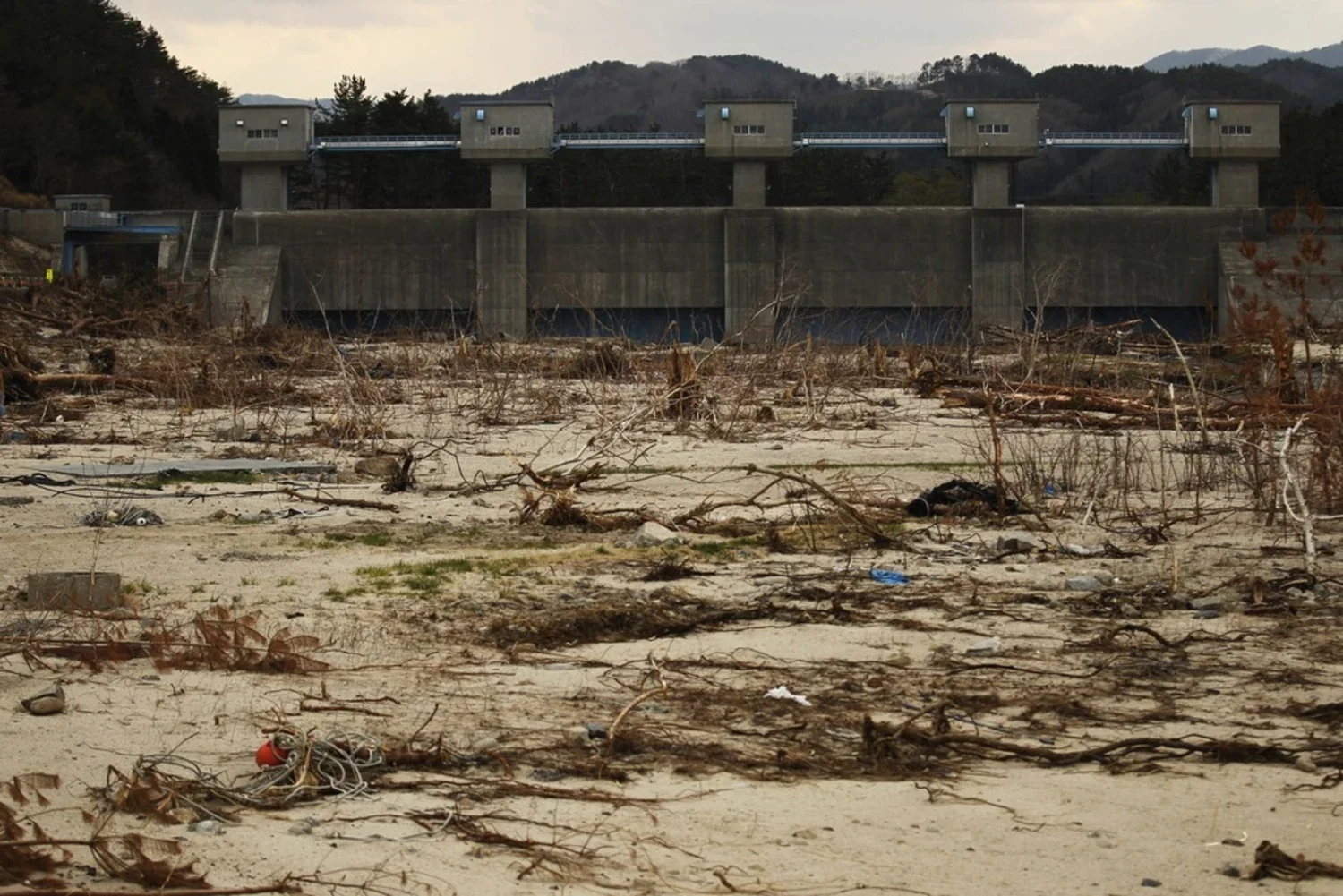
Afternoon: Learn about Fudai's tsunami gate and the mayor behind it. Explore the local district, enjoy snacks and lunch in town, then continue south by coach.
Evening: Check in, dinner, and rest.
Day 4
Morning: Take part in trail maintenance and nature learning with local NPO staff in the Jodogahama area. Includes time for Q&A with staff.
Afternoon: After lunch, board the Uminekomaru sightseeing ferry to view the cliffs, rock formations, and offshore islands. OR take longer trails to see the large blowhole if water activities are not acceptable.
Evening: Dinner and reflection session at the hotel.
Day 5
Morning: Travel south to Kesennuma and visit a preserved school site and museum connected to the 2011 tsunami.
Afternoon: Join workshops on disaster preparedness, evacuation, and community response, led by local voices, with Q&A where available.
Evening: Dinner and quiet time for reflection.
Day 6
Morning: Take part in a kyudo experience. Students rotate between kyudo and a visit to the nearby Rias Ark Museum to minimize waiting time.
Afternoon: Lunch, then transfer by coach to Sendai Station for the Shinkansen back to Tokyo.
Evening: Farewell dinner in Tokyo.
Day 7
Morning: Check out and transfer to the airport. Departure from Tokyo. Program concludes.
Reminder: Every school trip is unique! We’re happy to tailor the trip length, activities, and accommodations to match your school’s needs and learning objectives.
Contact us to create a personalized educational travel experience for your students!