
Trade & Traditions
From Mumbai's fish docks to the artisan villages of Kutch and the ancient ruins of Dholavira, this program takes students deep into the systems that have shaped and continue to shape one of the world's most layered civilizations. Trade routes, craft traditions, urban economies, and indigenous ecologies are not treated as separate subjects but as forces in constant conversation with one another. Students leave not just with knowledge of India, but with new frameworks for reading any city, landscape, or community they encounter.
Sample Itinerary
Day 1
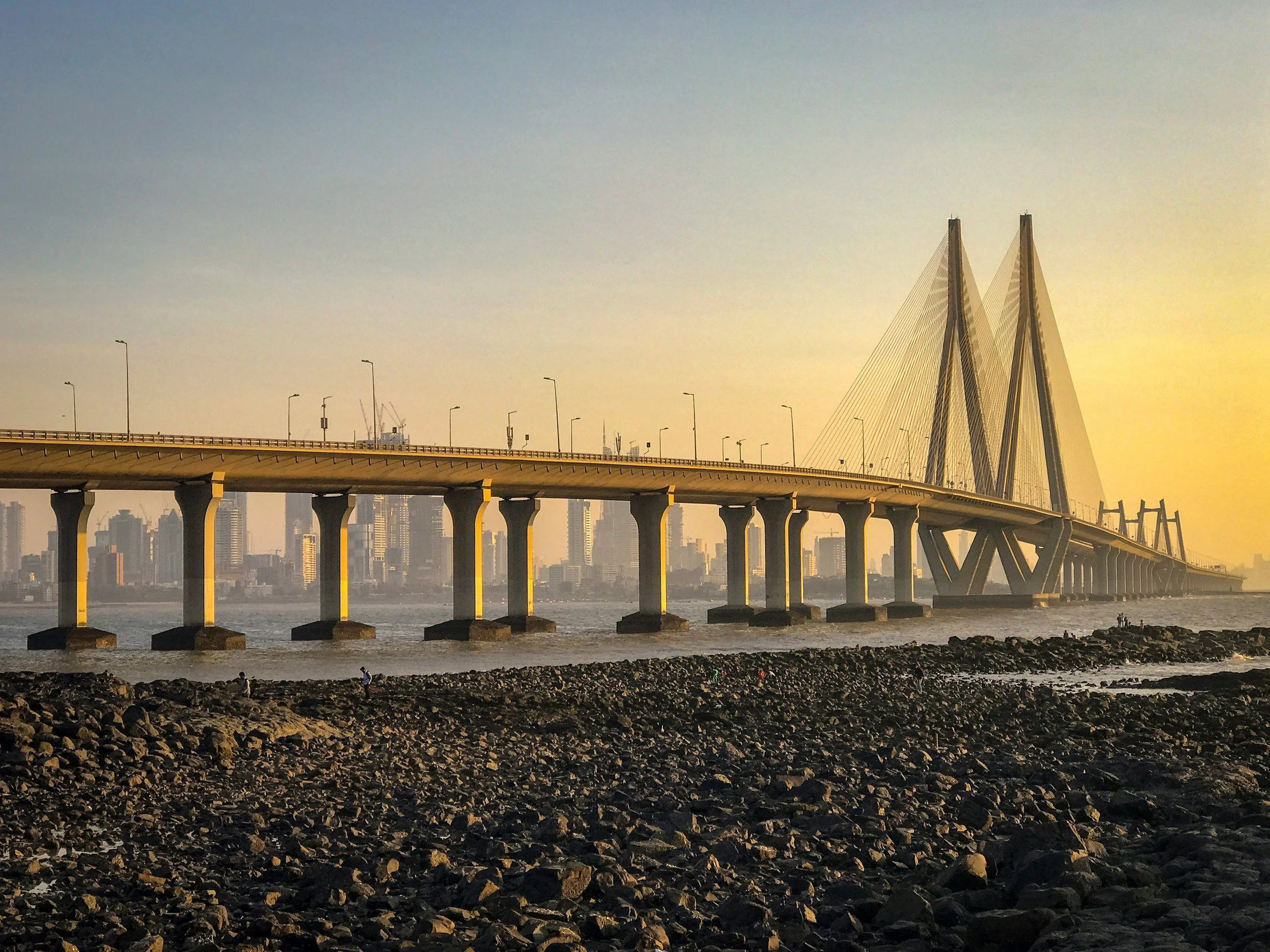
Arrive in Mumbai and meet your program leaders at the airport. After checking in, the evening begins with a guided street-food walk through the city's neighborhoods, reading the cuisine as a living record of migration, colonial trade, and cultural exchange.
Mumbai
Day 2
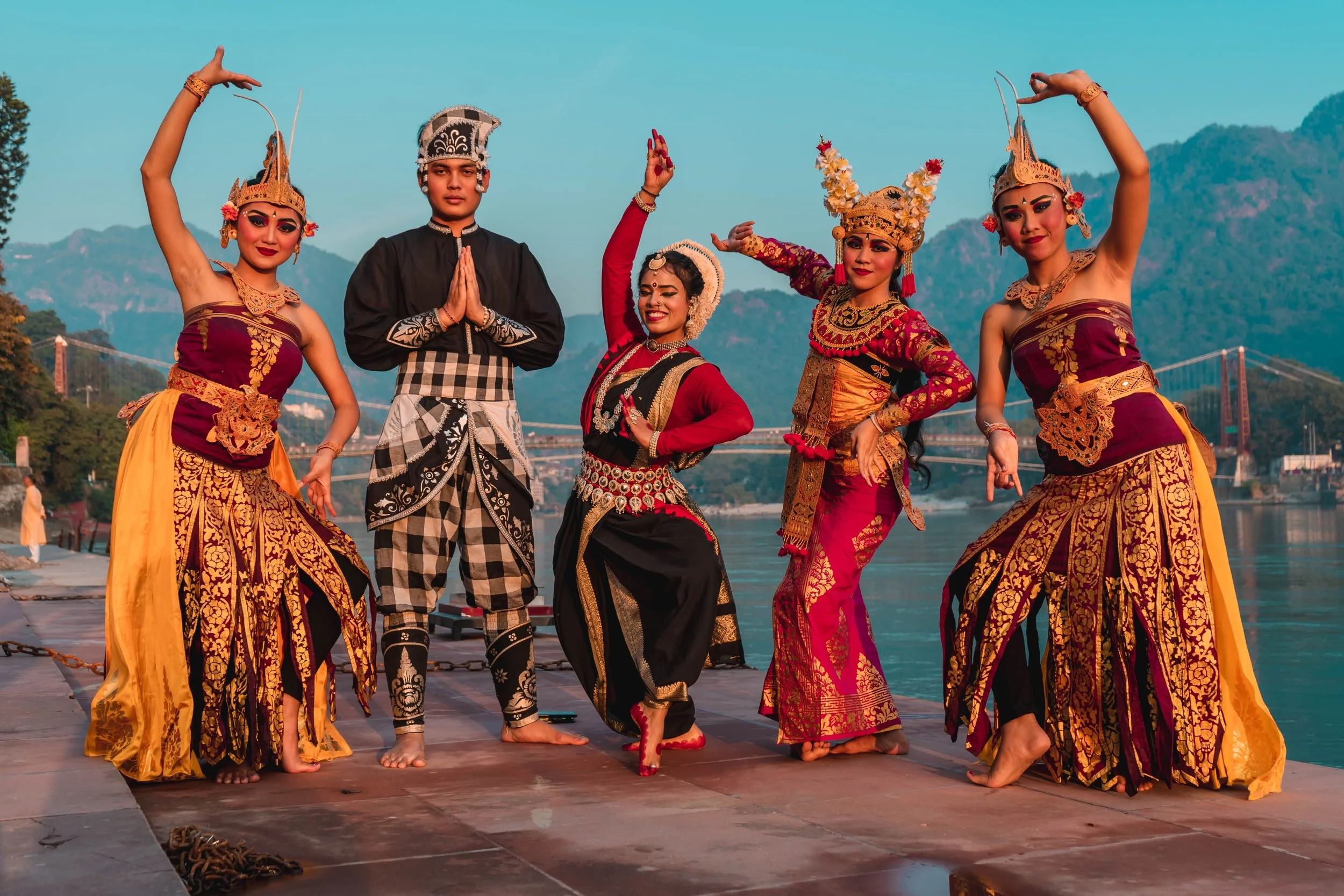
The day opens at the docks during fish auction hour, where the scale and rhythm of Mumbai's marine economy become immediately visible. From there, follow the legendary Dabbawala network as a masterclass in community-based logistics. The afternoon moves into Dharavi, explored not as a slum but as a densely productive economic ecosystem centered on garment recycling and decentralized food production. The evening closes with a community dance session and a facilitated group reflection.
Day 3
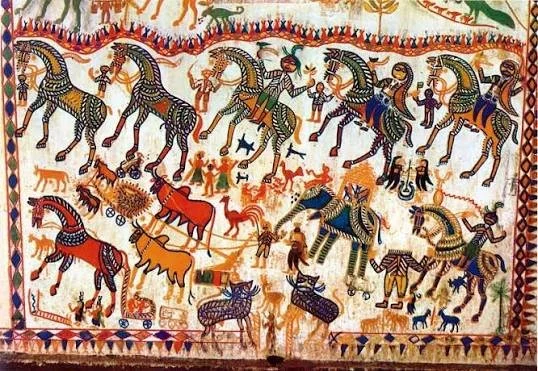
A Warli art workshop opens the morning, using one of India's oldest visual traditions as a way into understanding how communities encode their relationship with the natural world. In the afternoon, explore the Kanheri Caves, a sprawling Buddhist monastic complex that once sat at the crossroads of ancient maritime trade routes. Board an overnight train to Vadodara as the program transitions from coast to interior.
Vadodara
Day 4
Visit the Faculty of Fine Arts to explore how contemporary artistic practice draws from and responds to indigenous and folk traditions. The afternoon introduces Rathwa Pithora painting, a ritual art form understood as an offering rather than an object. A city walk through Vadodara's markets and historic quarters reads the city as a layered record of Mughal, Maratha, and colonial influence. The day ends with a Gujarati thali dinner, a meal shaped by centuries of mercantile and Jain food culture.
Day 5
Climb Pavagadh Hill in the morning for a sweeping geographical and spiritual orientation to the region. The afternoon is spent at Champaner, a UNESCO World Heritage Site where stepwells, mosques, and market streets tell the story of a city that rose, thrived, and was eventually left behind. Later, a conversation with the Bhil community brings questions of land rights, cultural change, and the real costs of development into sharp focus. An overnight journey carries the group westward to Kutch.
Day 6
An Ajrakh block printing workshop explores one of the subcontinent's most sophisticated craft traditions, tracing the relationship between natural dyes, seasonal ecology, and knowledge passed through families over centuries. The village's own story of rebuilding after a devastating earthquake gives the session an added layer of meaning. In the afternoon, an encounter with Rogan Art, a tradition now sustained by a single family, opens up larger questions about what it means to preserve something rare and what is lost when it disappears.
Kutch
Day 8
A field study in the Banni Grasslands, one of Asia's largest, examines how ecosystem change and encroaching infrastructure are reshaping the lives of the communities that have called it home for generations. An engagement with Maldhari pastoral communities brings the conversation to mobility, animal-based economies, and the friction between conservation policy and indigenous rights. A locally sourced dinner closes the day as a grounded reflection on food, value, and what self-sufficiency actually looks like.
Day 7
Hands-on weaving at Bhujodi traces the full journey of a textile, from the loom to the global market, examining where value is created and where it ends up. A visit to a Rabari women's collective in the afternoon looks at how digital platforms are changing the economics of traditional craft, for better and for worse. The day ends with open dialogue and documentation time alongside local artisans.
Reminder: Every school trip is unique! We’re happy to tailor the trip length, activities, and accommodations to match your school’s needs and learning objectives.
Contact us to create a personalized educational travel experience for your students!