

How Can History-Focused Trips Link Curriculum to Real-World Sites?

Planning a history trip can be one of the most rewarding ways to turn classroom lessons into living stories. Textbooks can only go so far in helping students grasp the complexity of the past, but standing where events unfolded, seeing, hearing, and even feeling the environment, changes everything. It turns abstract facts into personal understanding.
We’ve seen how these experiences create lasting impact. When students explore the remains of ancient empires, reflect at memorials, or walk through centuries-old streets, they engage not just their minds but their emotions and senses too. The result is deeper comprehension and a genuine connection to global history that lasts well beyond the journey.
In this article, we’ll provide practical guidance on how to connect your curriculum with meaningful destinations so your trip has a clear purpose and strong learning outcomes.
How History Comes Alive Beyond the Classroom
History is at its most powerful when students can experience it for themselves. Experiential learning brings context to life, helping students see how individuals, communities, and nations have shaped the world they live in today. Standing on historical ground, whether it’s the Great Wall of China or the Peace Memorial Park in Hiroshima, turns theory into tangible experience.
These journeys support essential curriculum goals like critical thinking, contextual awareness, and empathy. Students learn to question perspectives, analyze causes and effects, and understand history as a series of human stories rather than distant dates. Research consistently backs this up.
We’ve seen that when learners connect emotionally to what they study, the lessons stay with them. They begin to ask more thoughtful questions, challenge assumptions, and see their classwork reflected in the world around them.
Aligning Trips with School Curricula and Learning Objectives
Different schools have different priorities when it comes to what students should learn. The best educational trips work hand-in-hand with those goals. These aren't just sightseeing tours. They're opportunities for students to connect what they've learned in the classroom with the real world around them.
No matter what curriculum your school follows, IB, AP, IGCSE, or a national system, history trips can help students develop crucial skills like thinking globally, analyzing information, and working with others.
When trips are thoughtfully designed, they support what teachers are already covering in class and help meet specific learning objectives. At the same time, they spark genuine curiosity in students. Whether exploring themes of war and peace or the rise and fall of empires, these experiences give students a chance to engage with big ideas in meaningful ways.
Identifying Relevant Curricular Themes
Thematic connections make history personal and relevant. Start by looking at what your learners are studying and ask a few quick questions:
Which historical ideas need more real-world context?
Which upcoming units could be strengthened by seeing authentic places, objects, or stories?
What themes will feel relevant to learners’ own experiences?
Choose one or two themes that clearly support your curriculum, then look for museums, heritage sites, or cultural centres that connect directly to those ideas. This keeps the trip purposeful and ensures the experience reinforces what you’re teaching in the classroom.
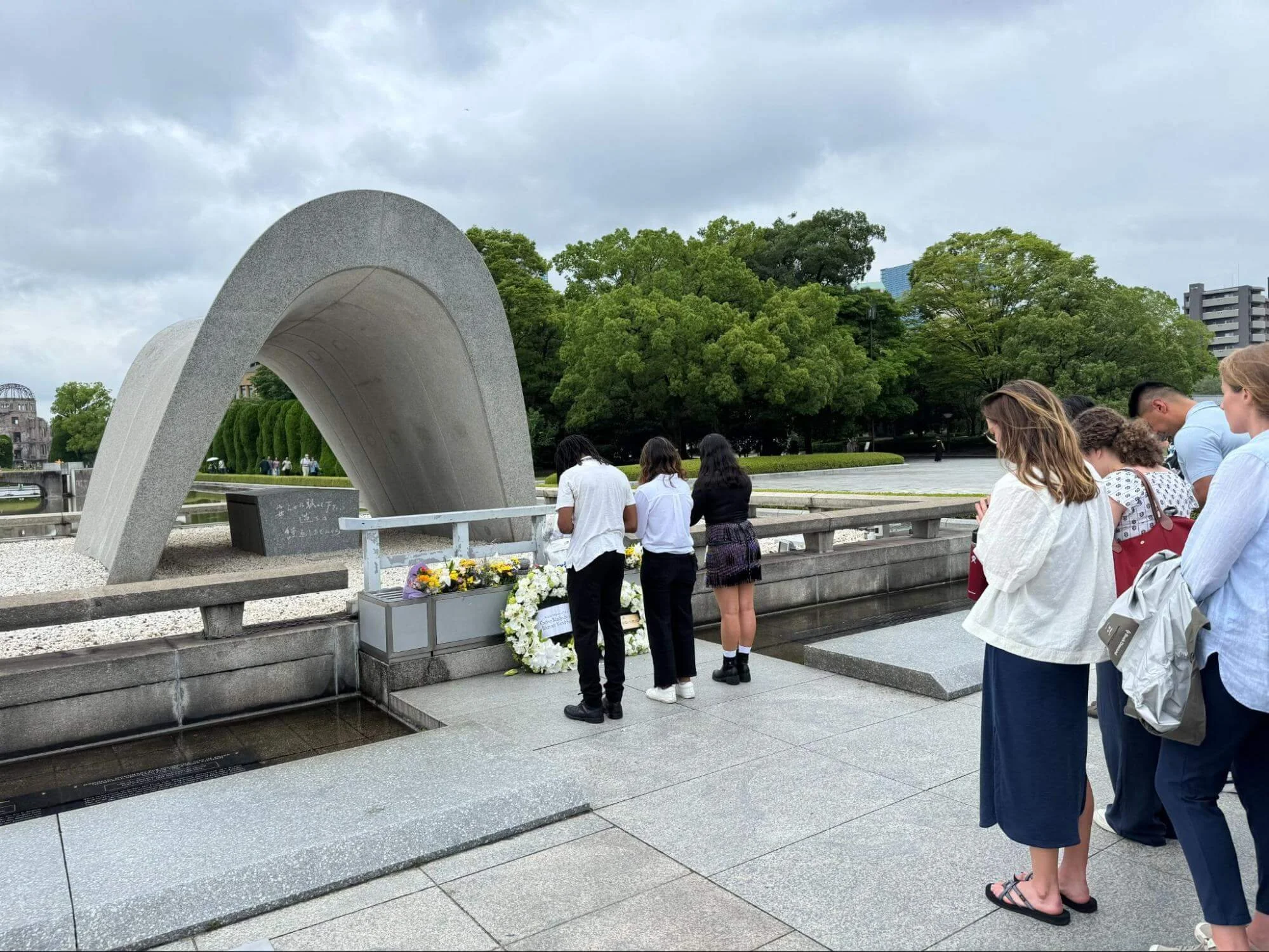
Students at Hiroshima Peace Park Memorial
Cross-Disciplinary Opportunities
History doesn’t exist in isolation. It links naturally to geography, politics, economics, art, and literature. Trips that involve cross-disciplinary experiences, like examining ancient trade routes from a geographical perspective or studying post-war art as social commentary, help students gain a deeper understanding of global issues and human development.
Many of our programmes build in these diverse experiences so a single theme can be explored from different angles, and we work with schools to strike the right balance of subjects to match their learning goals.
Guidance for Educators on Embedding Learning Outcomes Pre-Trip
Preparation before travel is just as important as the trip itself. Teachers can introduce themes, key questions, and context before departure to help students get ready to learn. Serving up pre-trip reading, group discussions, or short research tasks prepares students for what they hope to discover. We work with teachers to outline learning goals and create tailored resources that set the stage for meaningful, curriculum-focused exploration.
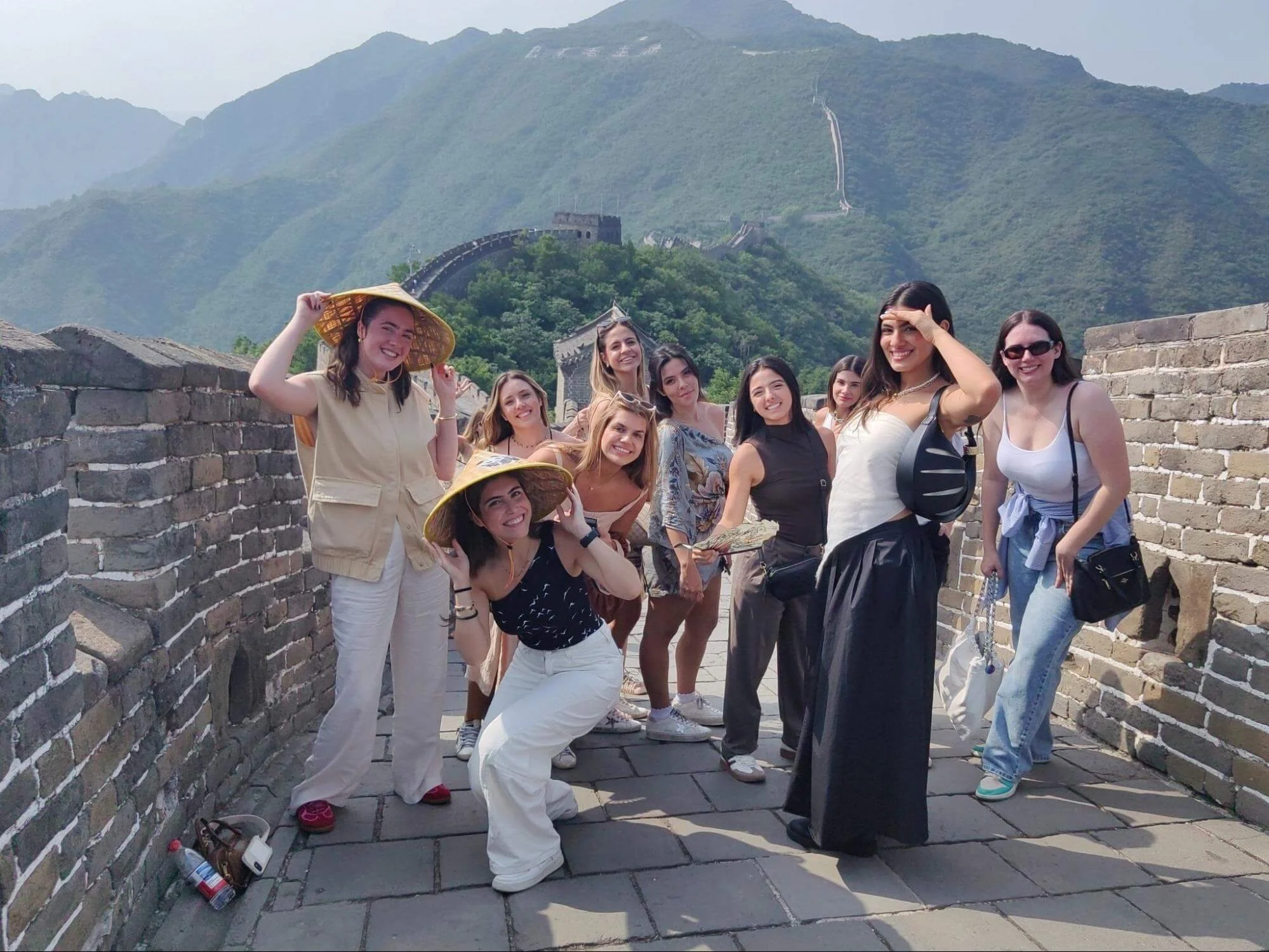
Group of students at the Great Wall of China
Asia’s Most Inspiring History Destinations for Students
Asia features an impressive variety of destinations that bring history to life. Each site offers a unique view of global events, culture, and identity. Whether discovering ancient civilizations or reflecting on more recent histories, these locations allow students to experience the past in ways that enhance both understanding and empathy.
South Korea: The DMZ and the Story of Division
Visiting the Korean Demilitarized Zone (DMZ) gives students a powerful look into the realities of the Cold War and the ongoing impact of political division. Standing between two nations that share a complex history helps young people reflect on themes of conflict, diplomacy, and unity. Our school trips to South Korea spark important discussions about peacebuilding and the cost of division.
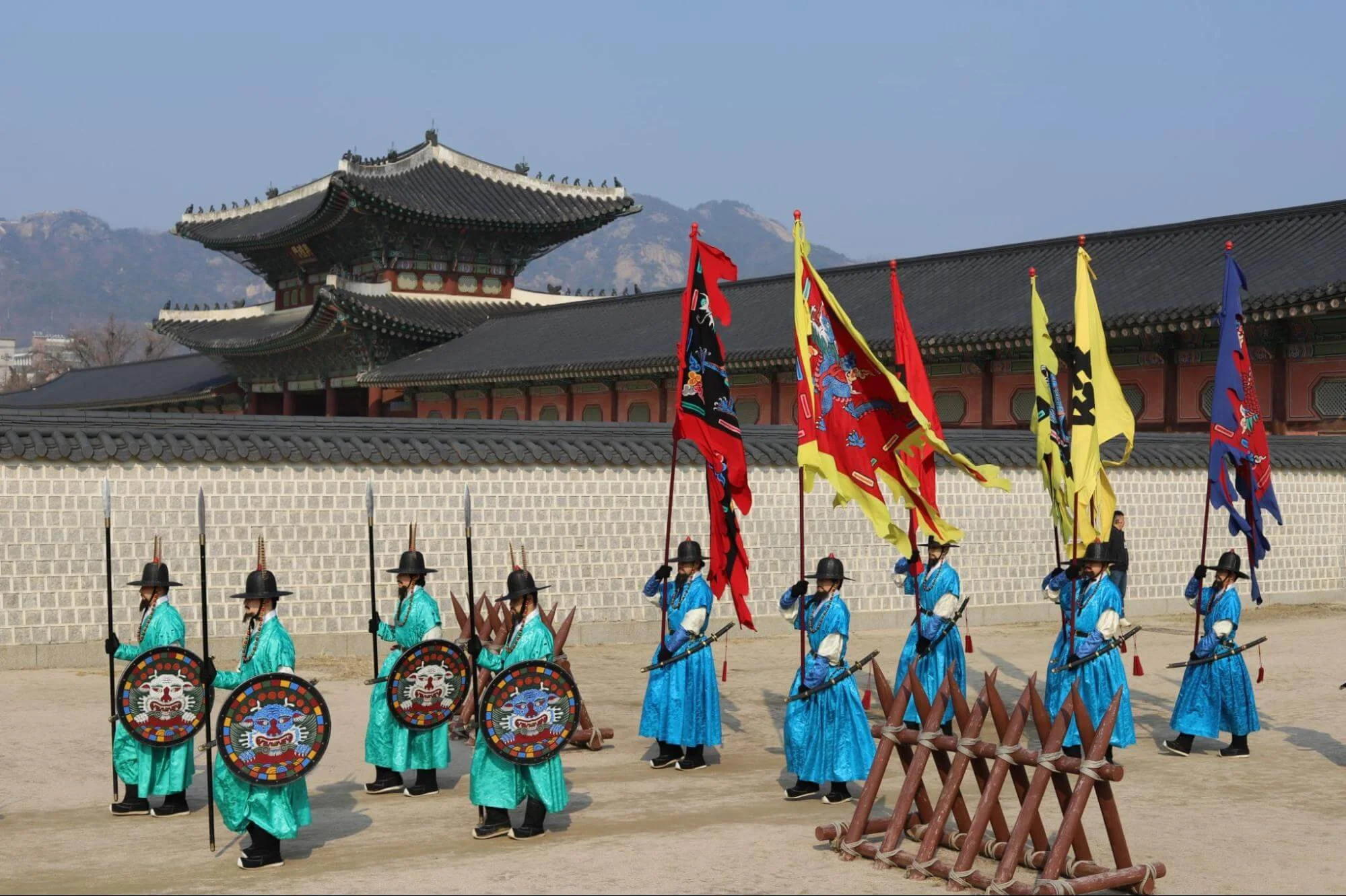
The Changing of the Royal Guard ceremony at Gyeongbukgung Palace
Japan: Hiroshima and Messages of Peace
In Hiroshima, students can experience a living lesson on peace and resilience. A visit to the Peace Memorial Park and Museum encourages them to think critically about global conflict, reconciliation, and the long-term effects of war. Our programs in Japan often include workshops that connect these themes with empathy and cross-cultural understanding.
Vietnam: Cu Chi Tunnels and the War Remnants Museum
Few places illustrate the resilience of the human spirit like the Cu Chi Tunnels near Ho Chi Minh City. During our Vietnam programs, students can explore these underground passageways and gain perspective on life during the Vietnam War. At the War Remnants Museum, they encounter photographs and stories that prompt conversations about propaganda, empathy, and how history is remembered.
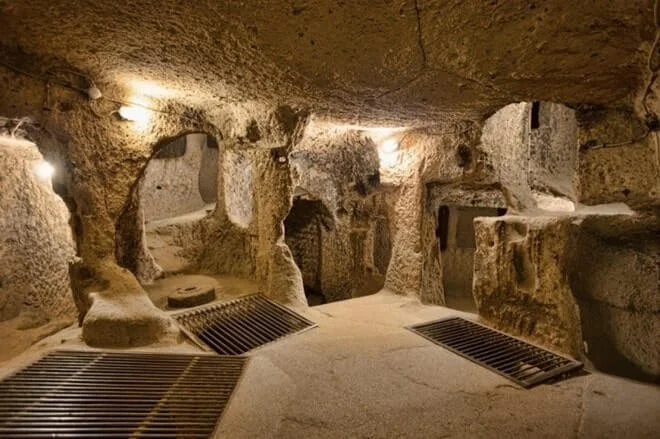
Source: Vietnam Plus website
A view of Vietnam’s historical Cu Chi Tunnels
China: The Great Wall and the Terracotta Army
China’s monumental history provides countless opportunities to explore themes of empire, innovation, and identity. The Great Wall offers a glimpse into centuries of defense, trade, and cultural exchange along the Silk Road. The Terracotta Army in Xi’an reveals how art, politics, and power intersected in the Qin Dynasty. These experiences help students analyze leadership, cultural continuity, and the shaping of civilizations over time.
We take pride in ensuring that school trips to these destinations are educational, safe, and well-organized. Our local partnerships and on-the-ground support make it easy for schools to focus on learning, knowing that logistics and safety are handled by experts.
Encouraging Reflection and Critical Thinking During the Trip
Experiential learning reaches its full potential when students take time to reflect on what they see and feel. Reflection transforms observation into understanding and connects emotional engagement with academic growth. During our history programs, we encourage teachers and students to build reflection moments into each day. Here are some ways to support that process.
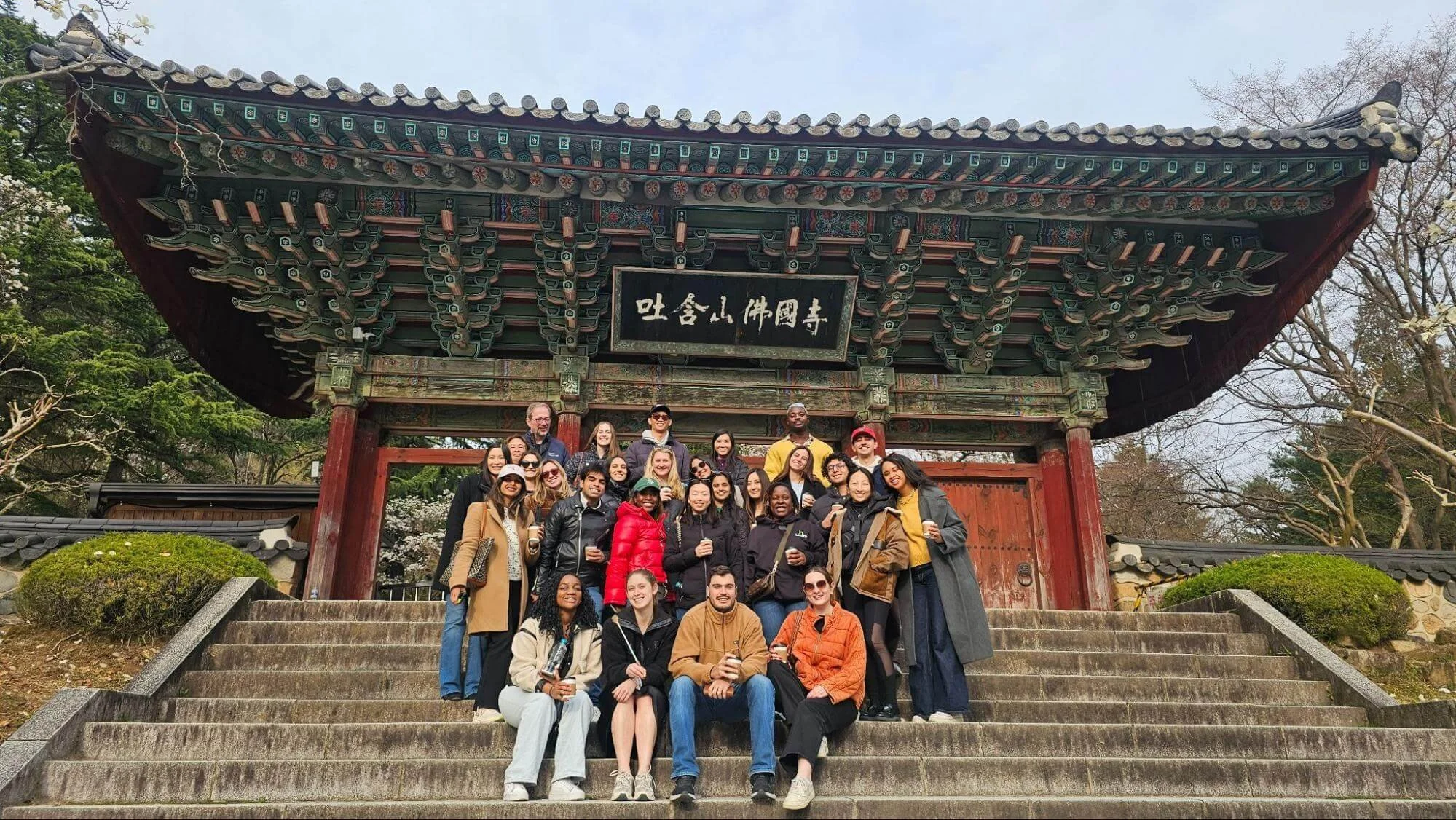
Group of students outside the Bulguksa Temple in Gyeongju, South Korea
Guided Discussions
Facilitated conversations after site visits help students unpack what they have learned. Trip leaders or teachers can guide small-group reflections that connect new insights with classroom themes.
Journaling and Student-Created Narratives
Encouraging students to document their experiences helps them process learning in their own voice. Some prefer journals or sketchbooks, while others create short vlogs or photo diaries that capture what stood out most during the trip.
Interactive Workbooks
Structured workbooks can provide prompts for critical thinking, connecting observations with historical analysis. Questions like “Whose stories are being told here?” or “What emotions does this place evoke?” turn simple visits into active learning experiences.
Local Expert Engagement
Speaking with cultural historians, museum educators, or local communities gives students access to firsthand perspectives. These interactions deepen understanding and help students see how history is preserved and interpreted by those who live it.
Helping Students Apply Learning Back at School
A successful history trip does not end at the airport. The most meaningful outcomes happen when students bring what they’ve learned back into the classroom and apply it to their studies and personal growth.
Follow-Up Projects and Storytelling
Teachers can help students channel their experiences into creative or analytical projects. Presentations, essays, or digital storytelling allow them to synthesize what they learned and share it with the wider school community.
Embedding Lessons into Assessments
Linking the trip to formal assessments or coursework ensures that experiential learning contributes directly to academic achievement. This might include essay questions inspired by site visits or reflective writing on key themes like peace and reconciliation.
Measuring Educational Impact
To understand how travel affects learning, teachers can use reflection surveys, group discussions, or feedback forms. These tools help identify what students gained from the trip and how it influenced their perspectives. Many schools find that history trips also strengthen skills like teamwork, empathy, and critical thinking.
Ready to Plan Your Next Journey?
History-focused trips are powerful tools for connecting classroom learning with the wider world. When designed thoughtfully, they nurture curiosity, empathy, and a deeper appreciation for humanity’s shared past.
At Beyond Classrooms, every trip is fully customisable to your school’s curriculum and learning goals. If you’re ready to bring history to life for your students, get in touch with our team to explore destinations and design meaningful learning experiences.