

How to Plan a School Trip in 5 Steps
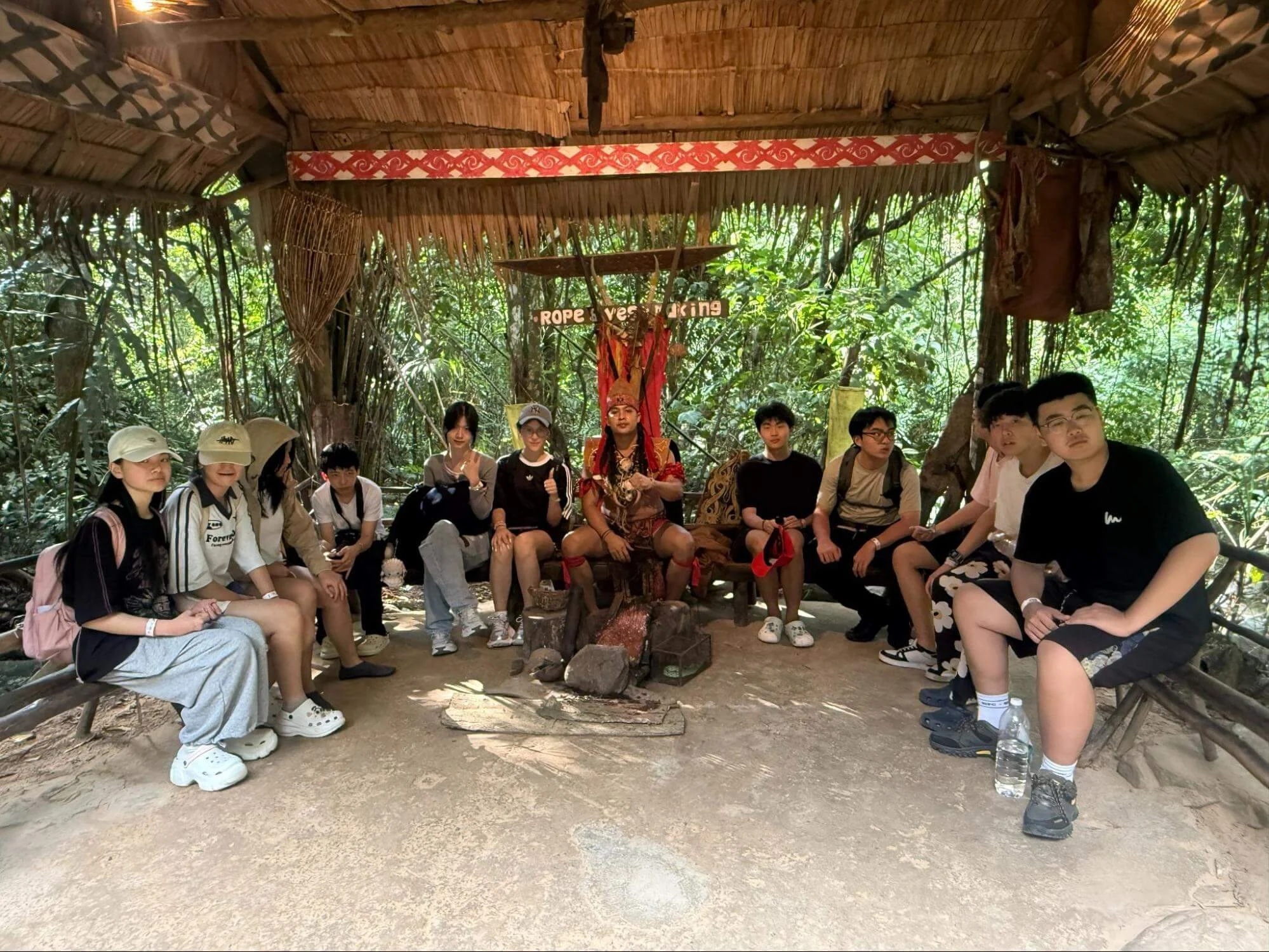
Organizing a school excursion involves more than just securing transportation and accommodations. It’s about providing students the opportunity to see the world through an educational perspective. When executed effectively, these activities create enduring memories, linking classroom lessons to the realities of worldwide culture, history, and innovation.
We collaborate with international schools to design curriculum-aligned journeys that are safe, well-organised, and genuinely educational. Our mission is simple: to make global learning easy and impactful. From the first consultation to the final reflection session, we work closely with teachers to ensure every element supports your school’s learning goals.
Our process is designed to make planning effortless. It starts when your school reaches out with learning goals and ends with student reflection after returning home. Between those stages, we handle everything: proposal design, itinerary refinement, safety reviews, bookings, and on-the-ground coordination.
In this guide, we outline five essential steps that inform our planning procedure, starting with establishing learning objectives and concluding with evaluating impact following the trip. Each phase highlights how our educators and local specialists collaborate with schools to build tailored programs that blend academic depth with meaningful cultural experiences. Read on to see how this partnership comes to life.
Step 1: Define Your Educational Goals and Learning Outcomes
A meaningful trip begins with a clear academic purpose. When learning objectives are defined early, every activity, whether a museum visit, workshop, or community project, supports measurable educational growth.

Students with a trip leader on a bike expedition on Jeju Island, South Korea.
Identify the Learning Objectives
Each school brings unique learning priorities. Some focus on sustainability or innovation, while others explore history, service learning, or global citizenship. We start by listening to your goals, reviewing your curriculum framework (IB, Cambridge, AP, or national), and then aligning destinations and activities to those outcomes. Every one of our trips begins here: matching your vision with a location and theme that reinforce what’s taught at school.
Establish Student Growth Targets
Beyond academic content, school trips also nurture personal growth. Together, we identify development goals such as teamwork, independence, leadership, or reflection. These objectives are then embedded into the program structure so students return not just more informed, but more confident and capable.
Involve Teachers Early
Collaboration with teachers is central to our approach. From the initial consultation, our education team
works alongside school staff to ensure that the trip supports both classroom instruction and broader learning goals. Our global school trip partner programs allow us to co-design itineraries, pre-trip briefings, and learning materials that make the experience cohesive from start to finish.
Step 2: Choose the Right Destination and Trip Theme
Choosing where to go is about pinpointing the environment that best supports your educational mission.
Match Destinations to Your Learning Goals
Our team helps schools connect academic goals to destinations with the strongest learning relevance. For example, we often take schools to the following destinations to explore these themes:
Singapore: innovation, STEAM, and sustainability
Japan: cultural heritage and modern innovation
Vietnam: service learning and global citizenship
Each program is designed for cultural depth, educational value, and safety, with activities led by local experts who bring lessons to life.
Build Flexibility Into the Itinerary
No two programs are the same. Our itineraries are fully customizable, adapting to different year groups, class sizes, or subject areas. Schools can add workshops and activities, extend the trip duration, and add on additional cities. This flexibility allows us to create a trip that reflects your students’ interests while meeting institutional objectives.
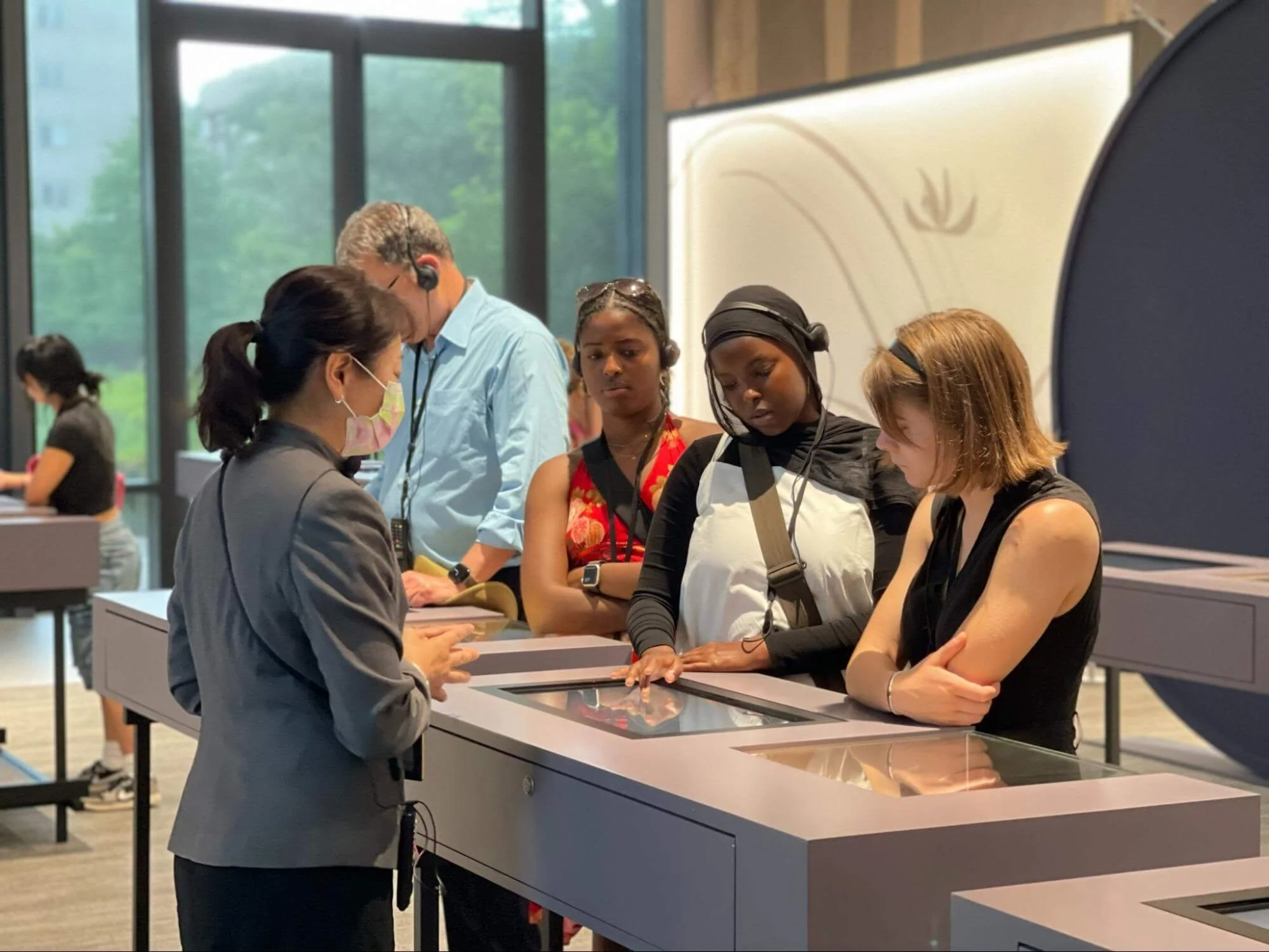
Students with staff at a museum in Taiwan.
Consider School Context and Logistics
Every school operates differently, so our role is to build the right balance between meaningful learning goals and what is realistically achievable. We collaborate with your leadership and teaching teams to design a trip that fits your school calendar, budget, and group structure. Once programs are confirmed, we handle everything from travel arrangements and transportation to accommodations and activities, ensuring the process is seamless from the start.
Step 3: Prepare the School Community
Even the best-designed trip depends on strong collaboration within the school community. Teachers, administrators, and parents all play a role in shaping a successful travel experience.
Build Administrative Support
We help schools present trip proposals that clearly show academic value, safety standards, and community benefits. Our customized proposal packages include a detailed itinerary, risk assessments, and educational rationale aligned with your curriculum goals, making it easier to gain support from administrative teams.
Engage Parents with Confidence
Parents need assurance that every aspect of the trip, including safety and educational outcomes, is managed diligently. We assist schools by offering bilingual information packets, pre-trip briefings, and presentations for parents that address all safety and logistical questions. Our team is always available throughout the planning process to answer any questions from parents.
Assign Roles and Responsibilities
A well-coordinated team ensures smooth delivery. We help define roles for teachers, trip leaders, and support staff, while our on-ground facilitators manage logistics, safety, and student wellbeing. This shared responsibility allows educators to focus on teaching and connection, not administrative work.
Step 4: Prioritize Safety, Logistics, and Student Wellbeing
Safety is the foundation of every one of our journeys. From risk assessments to round-the-clock communication, we handle every logistical detail so schools can focus on what matters most: student learning and engagement.
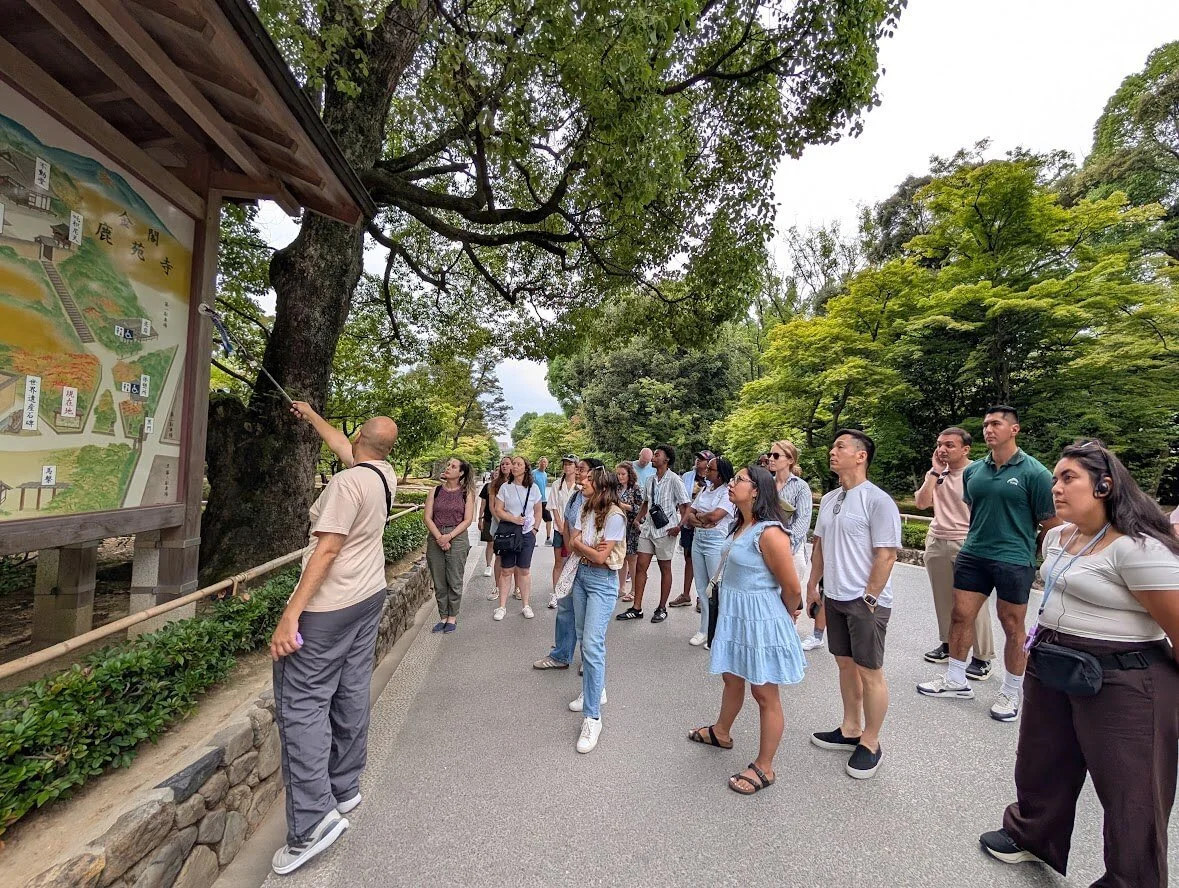
Students with guide exploring Kyoto, Japan
Conduct a Comprehensive Risk Assessment
Before every trip, our team reviews all elements of travel, from transport and accommodation, to emergency procedures, and health requirements. Every partner and provider we work with is vetted for reliability and safety standards. We also collaborate with your school’s teams to ensure that all procedures align with internal policies.
Maintain 24/7 Communication
Clear communication builds confidence for everyone involved. We set up direct communication channels between our on-ground staff and the school. Our team remains accessible at all times, from airport arrival to departure, to provide updates and immediate support when needed.
Plan for Health and Inclusivity
Every student should feel secure and supported while traveling. Before departure, we gather important information on dietary needs, allergies, accessibility, and other individual considerations. Our facilitators and local partners are trained to accommodate diverse requirements, ensuring that all students can fully participate and feel cared for throughout the experience.
Step 5: Enrich the Experience Through Reflection and Follow-Up
A well-planned trip doesn’t end when students return home. The most meaningful learning happens when reflection turns travel experiences into lasting understanding.
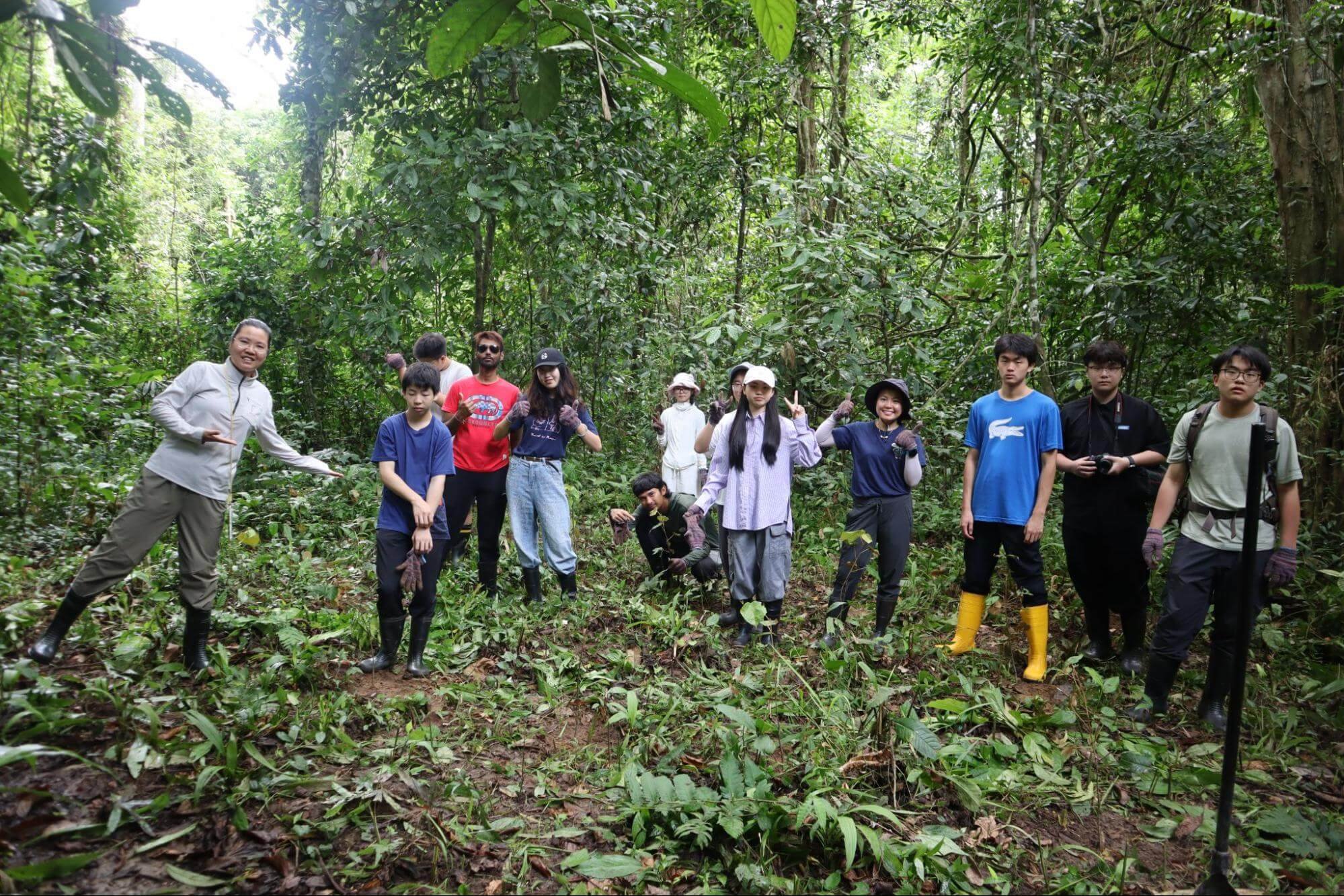
Students with a trip leader in the rainforest in Malaysia.
Facilitate Daily Reflection During the Trip
Reflection transforms observation into insight. Guided discussions, journaling, and creative storytelling are built into our programs so students can process what they learn each day. Our academic facilitators lead structured reflection sessions tied to the curriculum, helping learners connect experiences with broader themes and subjects.
Connect Learning to Classroom Projects
We also urge teachers to weave trip themes into classroom activities after students return. Project ideas may include essays, digital storytelling, art exhibits, or presentations led by students that broaden their learning beyond the trip itself. These activities enable students to apply their knowledge in fresh and imaginative ways.
Evaluate Impact and Celebrate Growth
Post-trip feedback and reflection is a valuable part of the learning journey. We help schools gather reflections from both students and teachers to measure educational impact and identify areas for growth. Many schools use this process to celebrate student achievements and showcase how travel has strengthened both academic and personal development.
Start Planning Your Educational Journey
Every school trip is a chance to inspire curiosity, empathy, and real-world learning. With Beyond Classrooms, you’ll have an experienced team of educators and local experts guiding you from the first conversation to the final reflection.
If your school is ready to design a curriculum-aligned program that connects global exploration with meaningful outcomes, get in touch with our team to find out more.