

Budgeting for School Trips Abroad: What Every Educator Should Know

Planning an overseas school trip is one of the most rewarding responsibilities an educator can take on, but it also comes with challenges. Beyond destinations and learning objectives, leaders must navigate costs, expectations, and accountability to families and their wider school community.
A well-planned budget does more than keep finances under control. It supports learning outcomes, builds trust with parents, and ensures that educational travel remains sustainable for years to come.
In this article, we’ll share how schools can plan and manage educational travel budgets effectively, covering the key cost areas to consider, practical strategies for keeping trips affordable without compromising learning value, and best practices for communicating budgets clearly with parents and stakeholders.
Understanding the True Cost of an Overseas Trip
Core Components Educators Need to Account For
An international school trip budget needs to account for far more than flights and accommodation.
A realistic budget typically includes:
International or domestic flights
Accommodation suitable for student groups
All meals, including dietary requirements
Educational site visits, workshops, and guided activities
On-the-ground transportation throughout the program
Comprehensive travel and medical insurance
Dedicated trip staff and educational facilitators
Safety planning, risk assessments, and safeguarding protocols
Each of these elements contributes directly to the quality and safety of the learning experience. Cutting corners in one area often places pressure on another, which is why experienced providers structure trips holistically rather than as a collection of individual bookings.
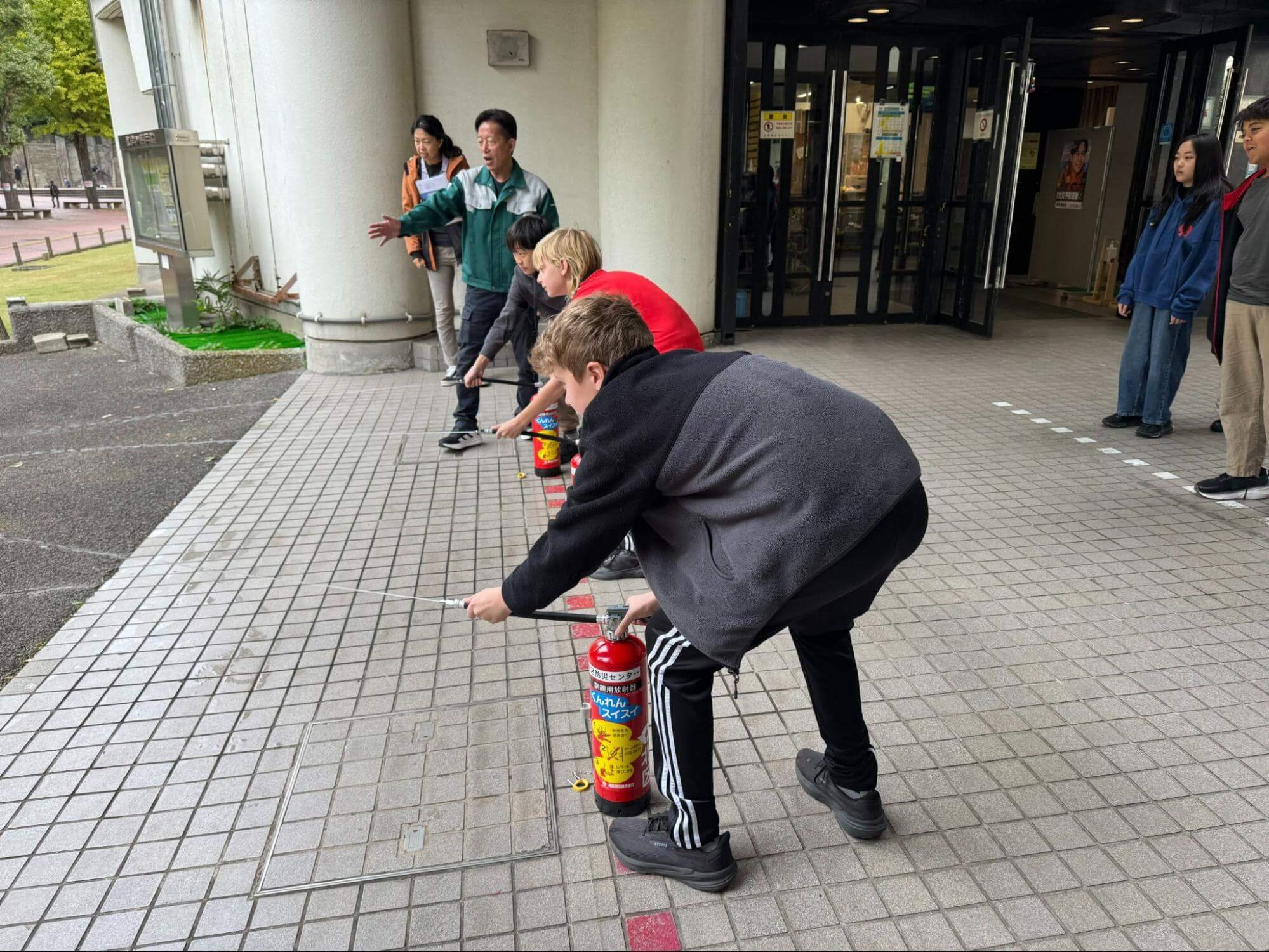
Students taking part in a hands-on safety activity at the Tokyo Rinkai Disaster Prevention Park in Japan.
Hidden or Variable Costs to Prepare For
One of the biggest challenges for schools is dealing with costs that appear late in the planning process. These may include additional activity fees, local transport surcharges, gratuities, taxes, or last-minute safety requirements.
At Beyond Classrooms, we take a different approach. Quotations are deliberately structured to be transparent and comprehensive from the outset.
Costs typically include:
All food and accommodation
All scheduled activities and site access
All local transport
Flights and insurance
Trip staff and facilitation
Gratuities, taxes, and operational costs
This clarity allows schools to budget with confidence and avoids the frustration many educators experience when unexpected costs appear close to departure.
Building a Sustainable and Realistic Trip Budget
Aligning Cost With Learning Outcomes
It is not uncommon for parents to compare school trips with family holidays and question the price difference. On the surface, a similar destination may appear significantly cheaper when organized privately.
What this comparison often overlooks is educational depth. School trips are designed around structured learning outcomes.
Students gain access to:
Sites not typically available to independent travelers
Expert-led workshops and discussions
Curriculum-linked fieldwork and reflection
Contextual learning that connects theory to lived experience
While a standard travel agent can arrange transport and accommodation at a lower cost, tailored educational experiences require specialist planning, partnerships, and facilitation. When framed clearly, many families recognize that they are investing in learning, not simply travel.
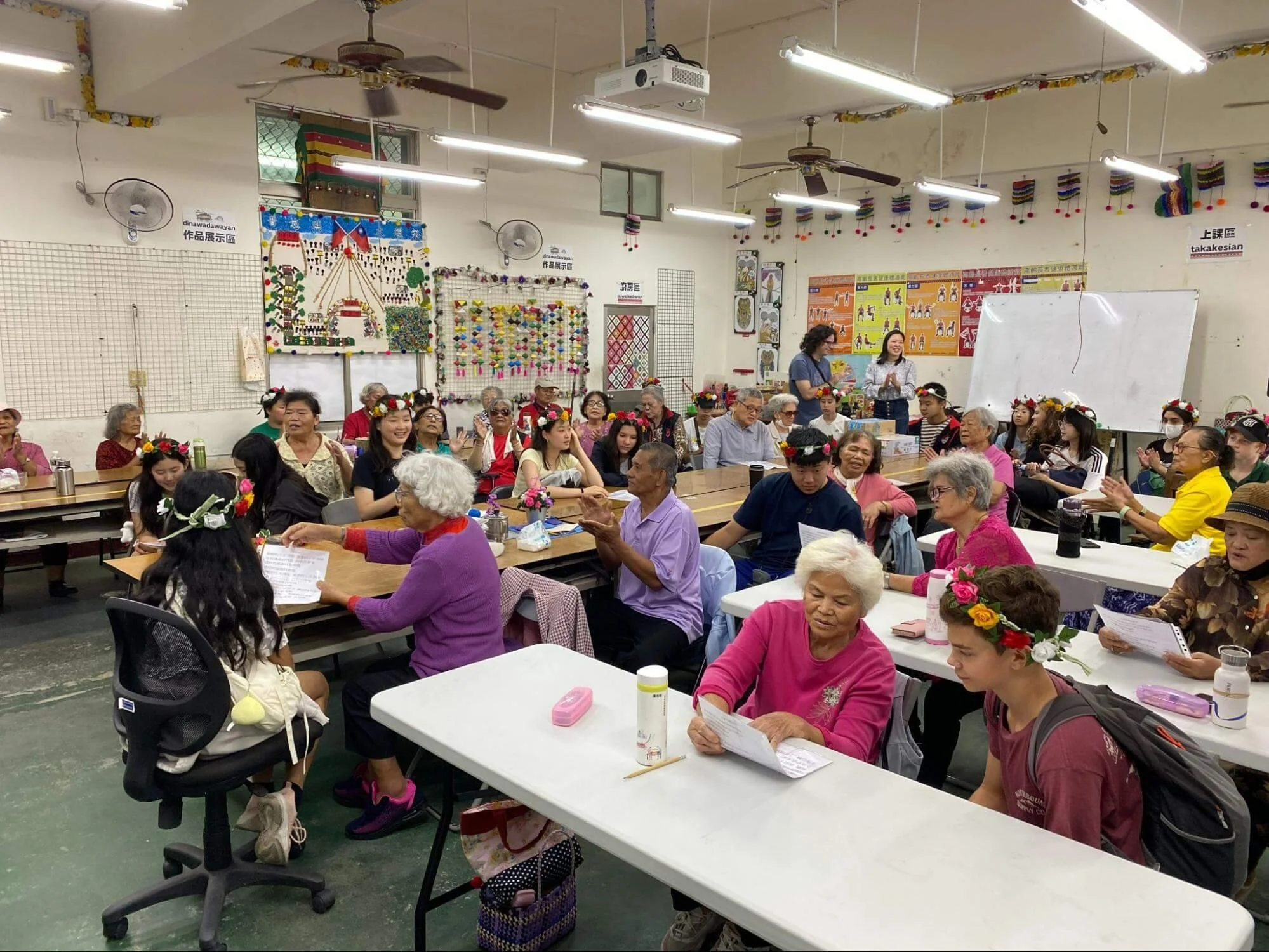
Students enjoying a special opportunity to connect with locals and learn about culture at a community center in Taiwan.
Using Transparent Cost Models With Providers
Effective budgeting starts before engaging any external provider. Schools that have a clear understanding of their community’s financial context are better placed to design trips that are well-scoped yet realistic.
This clarity helps in two ways. First, it allows providers to propose programs that genuinely fit the school’s parameters. Second, it enables schools to communicate confidently with parents about why a particular program costs what it does.
When educational value, safety, and program structure are clearly articulated, cost discussions become more constructive and less transactional.
Communicating Costs Clearly to Families and Your School Community
Fee Structure Examples Parents Understand
Early communication is critical to the successful launch of a school trip. The earlier families are informed about trip costs, the more time they have to plan and ask questions.
Clear price breakdowns help parents understand what is included and why. Just as importantly, this is where schools can explain the educational purpose of the trip. When families see how activities align with curriculum goals and student development, costs feel justified rather than arbitrary.

Students taking part in a taekwondo session in South Korea with guidance from a local expert.
Open dialogue also allows schools to identify potential barriers early and address them thoughtfully.
Supporting Families Through Payment Options
While overseas trips represent a significant investment, flexible payment structures can make participation more accessible. Payments plans, clear deadlines, and transparent refund policies all reduce stress for families and administrators alike.
Practical Ways to Reduce Costs Without Reducing Quality
Choosing the Right Timing and Travel Windows
Timing can significantly affect cost. Traveling outside peak tourist seasons often reduces flight and accommodation prices while also improving the learning experience with quieter sites and easier logistics.
Long-term planning gives schools more flexibility to select dates that balance educational priorities with affordability.
Working With Partners Like Beyond Classrooms for Transparent Cost Planning
The value of our programs lies in clarity, educational expertise, and experience working with schools.
Schools benefit from:
Clear, all-inclusive pricing
No late-stage add-ons or hidden fees
Access to specialist educators and unique learning environments
A team that understands safeguarding, curriculum alignment, and school accountability
Our approach allows educators to focus on learning outcomes rather than finances and logistics.
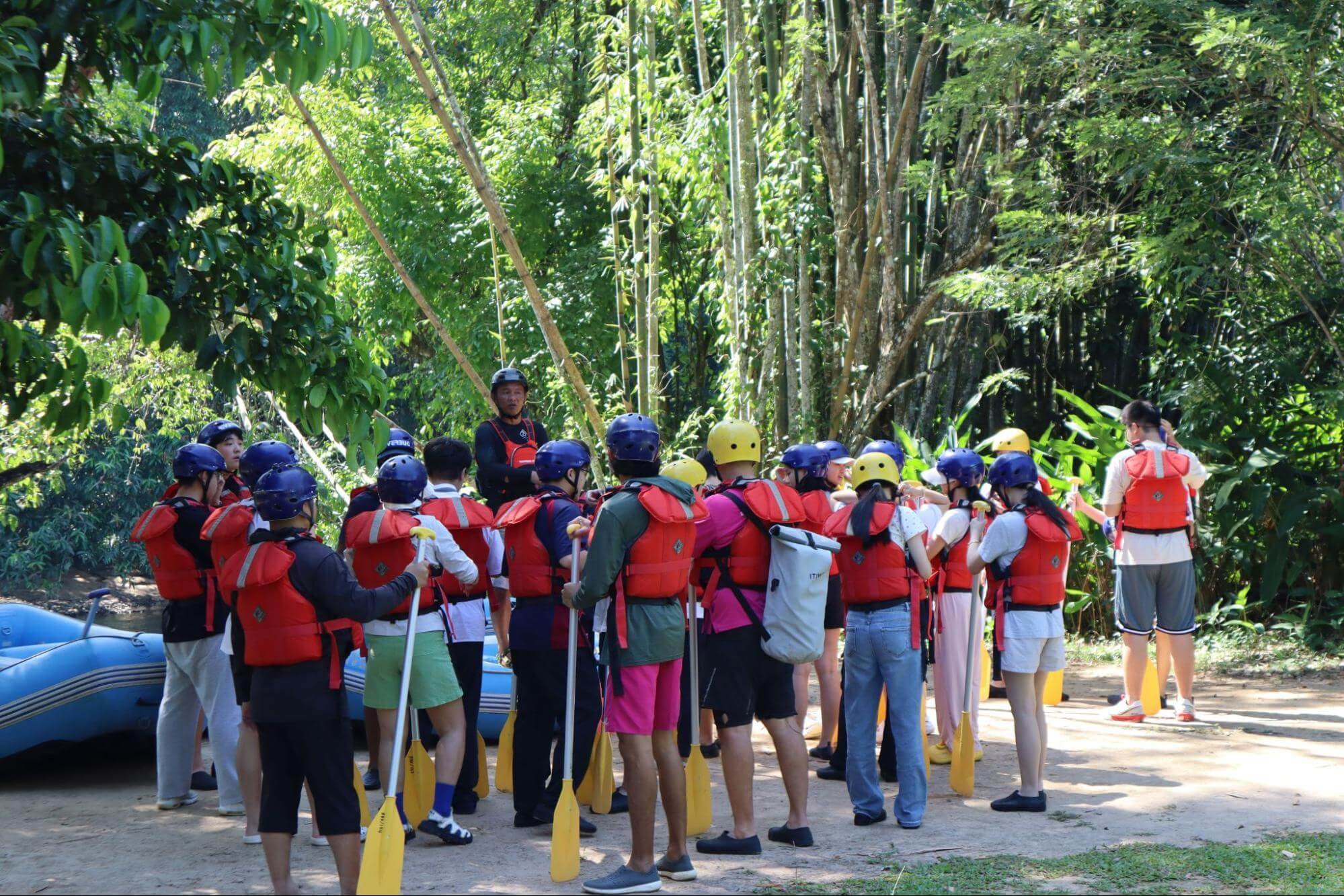
A class preparing to embark on a rafting journey in Malaysia with a student-focused safety briefing.
Ensuring Long-Term Value for Your School
Tracking Educational Impact and Budget Effectiveness
Post-trip evaluation is often overlooked, but it’s a valuable part of the process. Reflecting on student learning, engagement, and outcomes helps schools assess whether a trip delivered value relative to its cost.
Feedback from students and staff can also guide future planning and strengthen internal support for experiential learning.
Building Multi-Year Trip Strategies With Beyond Classrooms
Many schools benefit from viewing educational travel as a multi-year strategy rather than a one-off event. Rotating destinations, refining themes, and building long-term partnerships allows programs to evolve while maintaining budget predictability.
Working with Beyond Classrooms over multiple years enables schools to develop coherent, impactful travel programs that align with both educational goals and financial realities. For schools looking to plan educational travel more predictably and sustainability, contact us to discuss your budgeting priorities and timelines.

Students getting a taste of Taiwanese cuisine through an interactive cooking class.