

Nature & Sustainability on School Trips: Asia’s Top Destination Ideas
Sustainability is no longer a standalone topic in the curriculum. It runs through science, geography, economics, global citizenship, and ethics. For many students, however, these ideas remain abstract until they are experienced first-hand.
Nature-focused school trips create that connection. They place learning in real landscapes, real communities, and real environmental challenges. Asia, in particular, offers a remarkable range of destinations where sustainability can be explored in practical, meaningful ways.
In this article, we explore how nature-focused school trips across Asia bring sustainability learning to life, highlighting destinations, learning themes, and the principles behind meaningful, responsible travel.
Why Nature and Sustainability Matter in Experiential Learning
Building Environmental Literacy Through Real-World Contexts
It’s one thing to learn about ecosystems from a textbook. It is another to stand beside a river system that supports millions of people or to walk through a farming community adapting to climate pressures.
These moments shift passive learning to active inquiry for students. They prompt questions. They encourage observation, comparison, and reflection. Learning becomes less about memorizing facts and more about understanding systems and consequences.
The Role of Responsible Travel in School Programs
Sustainability education is reinforced by how trips are designed, not just where they go, from decisions around accommodation and transport to the choice of local partners, learning activities, and daily routines that shape how students engage with environmental responsibility in practice.
Responsible school travel considers local communities, environmental impact, and ethical engagement as integral parts of program design. Through this approach, students see what it means to travel thoughtfully, to learn with rather than simply about a place, and to understand their role as visitors.
In this way, responsible travel becomes a practical framework within school programs, helping sustainability move from abstract theory into lived experience that can be embedded across learning long after the trip ends.
Southeast Asia: Accessible and Impactful Eco-Learning Destinations
Indonesia: Sustainability and Rich Cultural Heritage
Our Indonesia program offers a powerful introduction to sustainability through the lens of culture. In Bali, students explore how traditional practices and environmental management are deeply connected.
Activities may range from coastal exploration and introductory surfing to guided hikes, traditional Balinese cooking, and hands-on cultural workshops.

The Balinese rice fields depend on subak irrigation systems
Programs typically include:
Learning about subak irrigation systems and water-sharing traditions
Visits to farming communities and local sustainability initiatives
Workshops focused on waste, tourism, and environmental responsibility
Exploration of coastal and inland ecosystems
What makes Bali particularly effective as a learning destination is the way environmental responsibility is embedded in everyday life across Indonesia, from water-sharing systems and farming practices to community responses to tourism and resource use.
Vietnam: River Systems, Agriculture, and Emerging Sustainability Projects
Vietnam offers a constantly shifting learning environment. Rivers, farmland, factories, villages, and fast-growing cities sit side by side, making it an ideal setting for exploring how development and sustainability intersect in real time.
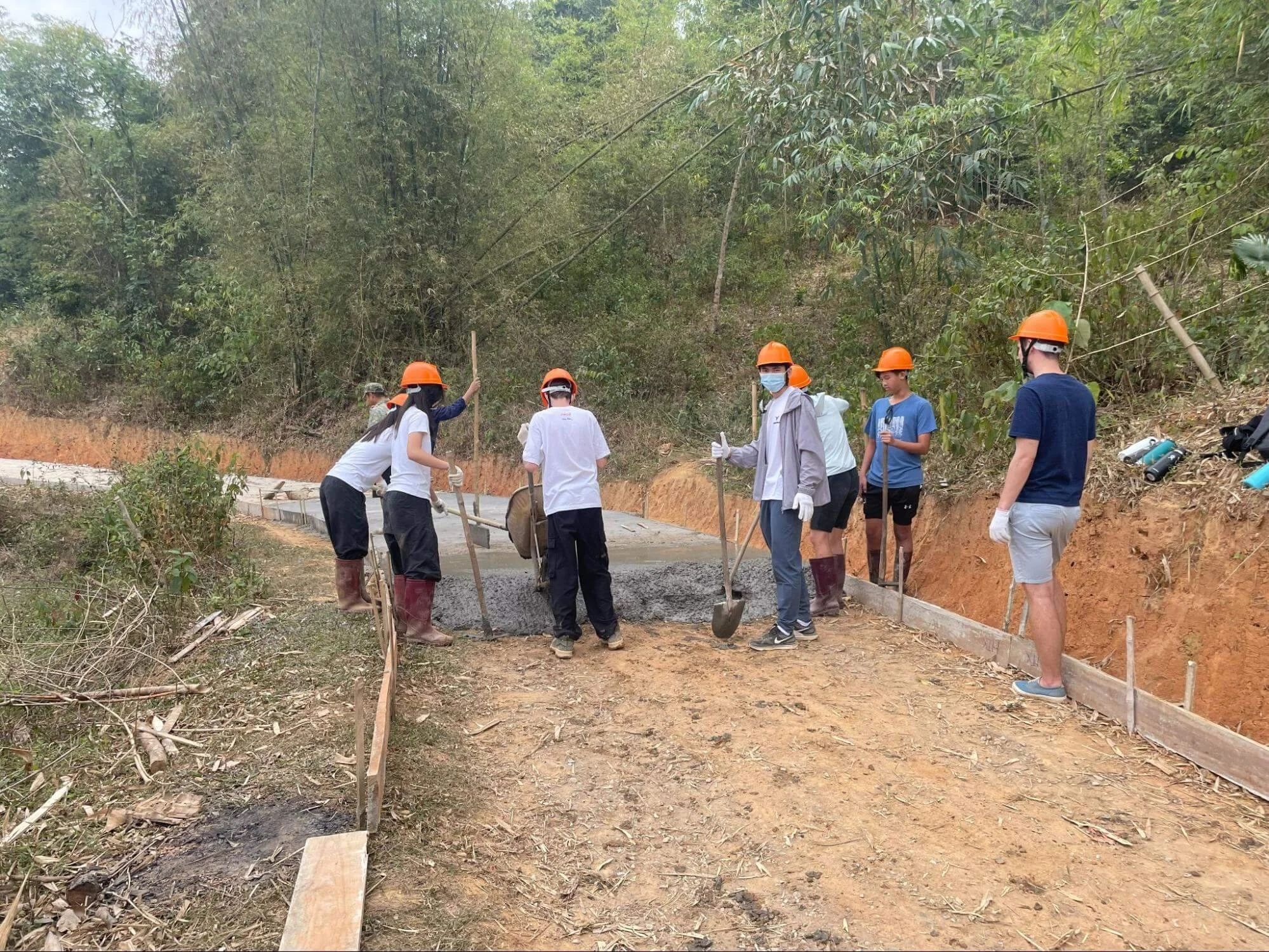
Students taking part in a development project in a rural village of Mai Chau, Vietnam.
Rather than presenting sustainability as a finished model, our Vietnam programs allow students to examine it as an evolving process shaped by economic growth, environmental pressure, and social change.
Depending on the focus of the program, learning experiences may include:
Study of major river systems and their role in agriculture, trade, and daily life
Visits to rural regions such as Mai Chau to explore village revitalization and community-led service learning
Examination of agricultural practices and food systems supporting both local and export markets
Exploration of emerging economies through manufacturing, infrastructure, and urban growth
Comparative learning between rural and urban areas to understand differing sustainability challenges
Discussions on water management, land use, and environmental impact in rapidly developing regions
Exploration of history, conflict, and peace and their ongoing influence on national priorities
What often stands out for students on school trips to Vietnam is the complexity of sustainability. Students discover that progress brings opportunity but also pressure, and that environmental decisions involve trade-offs, adaptation, and long-term thinking rather than simple or ideal solutions.
East Asia: High-Impact Models of Sustainability in Action
Japan: Circular Economy, Urban Sustainability, and Zero-Waste Communities
Japan allows students to examine sustainability where it is deeply embedded in daily life. Environmental systems are not presented as abstract ideals but as carefully designed processes operating within densely populated cities and long-established cultural frameworks.
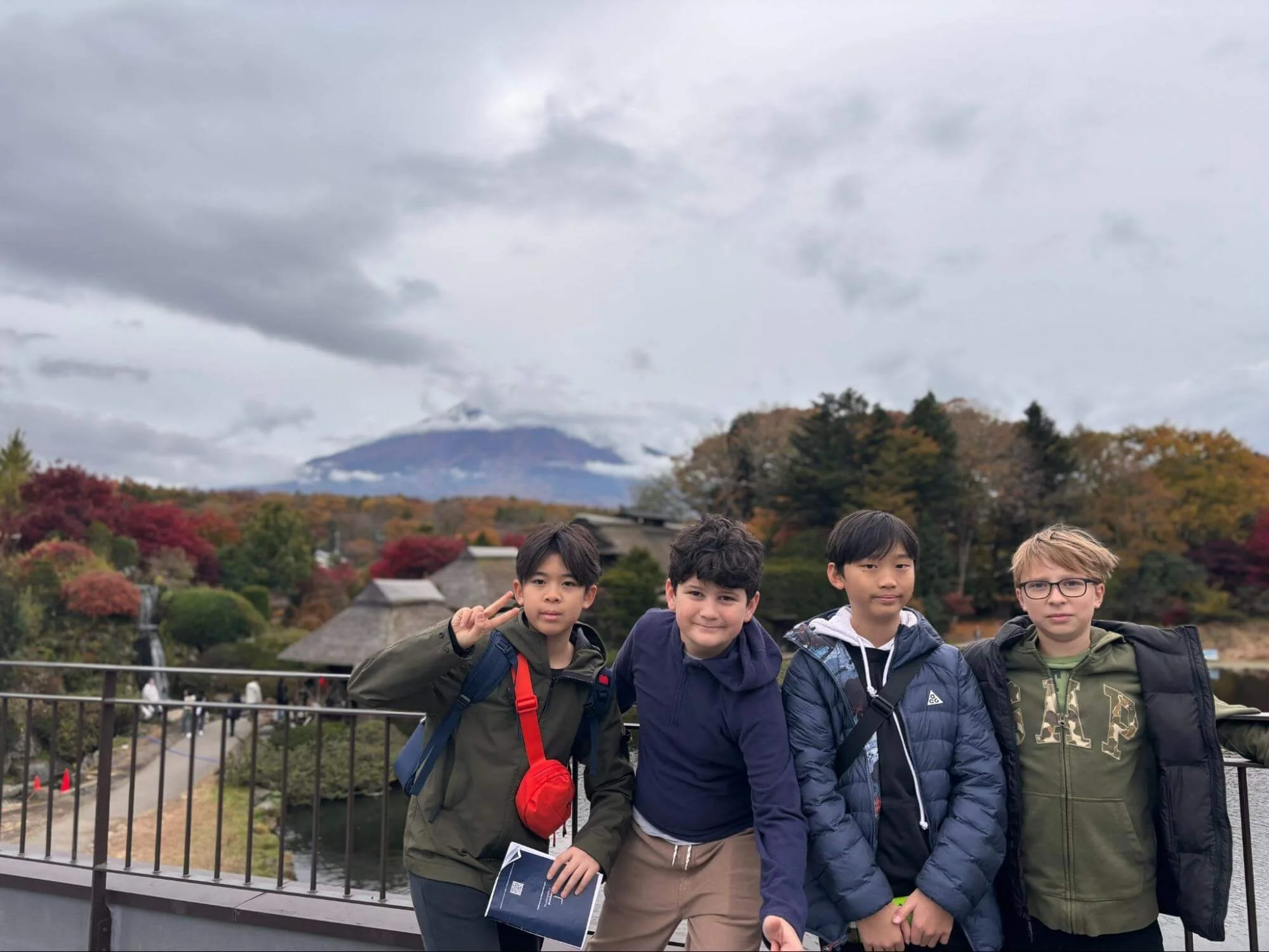
Students visiting Mt. Fuji to speak with locals about sustainable tourism and the impact of overtourism on the environment.
Sustainability-focused learning in Japan is often explored alongside broader cultural themes, helping students understand how values, history, and innovation intersect.
Depending on the itinerary, programs may include:
Circular economy principles observed through waste reduction, recycling systems, and efficient resource use
Urban sustainability planning in major cities, including transport networks, energy use, and public space design
Zero-waste communities and local initiatives demonstrating community-led environmental responsibility
Exploration of traditional practices in places such as Kyoto, where cultural heritage and environmental balance intersect
Learning experiences linked to peace, empathy, and global responsibility, particularly in cities such as Hiroshima
Examination of how popular culture, technology, and education shape attitudes toward sustainability in modern Japan
What students often discover through school trips to Japan is the level of precision behind sustainability in practice, where intentional systems, refined processes, and clear social expectations work together to support environmental responsibility.
Taiwan: Renewable Energy and Mountain Ecosystems
Taiwan is compact, but it is rarely simple. Within a short travel distance, students move between dense cities, rugged mountains, volcanic landscapes, and coastal environments, allowing them to experience a wide range of geographical features directly, often within the same day.

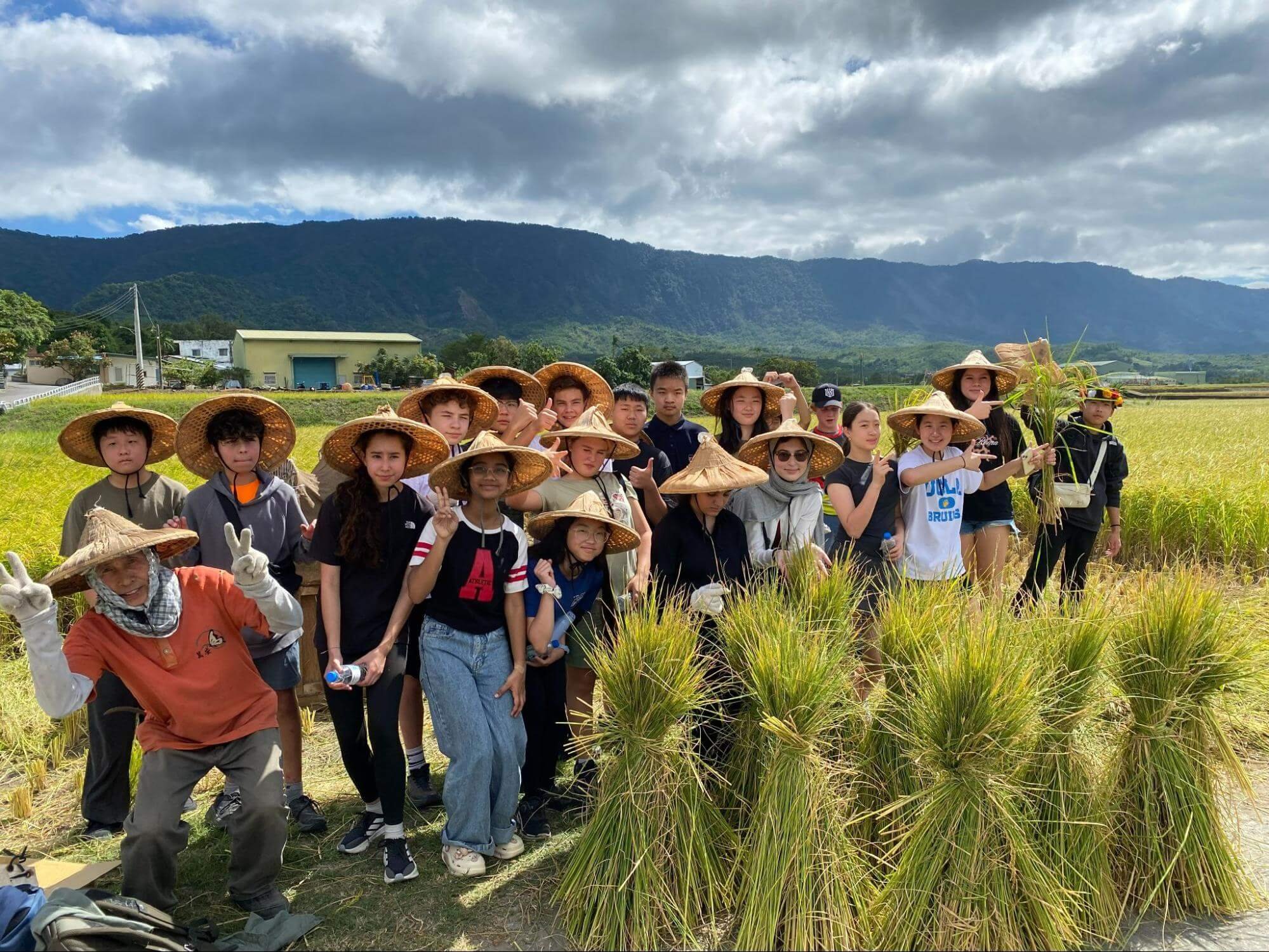
Students learning sustainable rice farming techniques from local farmers in Chishang, Taiwan.
Our Taiwan school programs often include site visits focused on renewable energy, biodiversity, and conservation. Fieldwork in natural landscapes is often paired with discussions about land use, climate resilience, and environmental protection.
Taiwan supports a wide range of interdisciplinary learning approaches, including:
Environmental studies linked to renewable energy, conservation, and land use
STEAM-focused exploration connected to technology, innovation, and sustainability
Geology and adventure activities that examine volcanic landscapes and mountain ecosystems
Service learning projects that connect sustainability to local community engagement
Language and cultural components that explore how history, education, and social priorities shape environmental decision-making
What students often take away from our Taiwan programs is not a single sustainability solution, but a clearer understanding of how geography influences choices. Limited land, complex ecosystems, and natural risk have driven innovation, planning, and adaptation.
Designing Meaningful Nature-Focused Itineraries
Integrating Fieldwork, Reflection, and Local Expertise
Effective sustainability trips balance experience with interpretation.
Fieldwork provides the raw material. Reflection gives it meaning. Local experts bring context that cannot be replicated in the classroom.
When these elements are combined thoughtfully, students are encouraged not just to observe but to analyze, question, and connect what they see to wider global issues.
Ensuring Safety and Risk Management in Outdoor Environments
Nature-based learning requires careful planning. Outdoor environments are dynamic, and schools must ensure that exploration happens within clear safety frameworks.
Risk assessments, experienced staff, and strong local partnerships allow students to engage fully with their surroundings while schools meet their duty of care responsibilities.
How Beyond Classrooms Curates Sustainability-Centered Trips
Partnerships With Local Specialists and Conservation Groups
Our programs are shaped through collaboration with local educators, guides, and conservation organizations. These partnerships ensure that learning is accurate, respectful, and rooted in local knowledge.
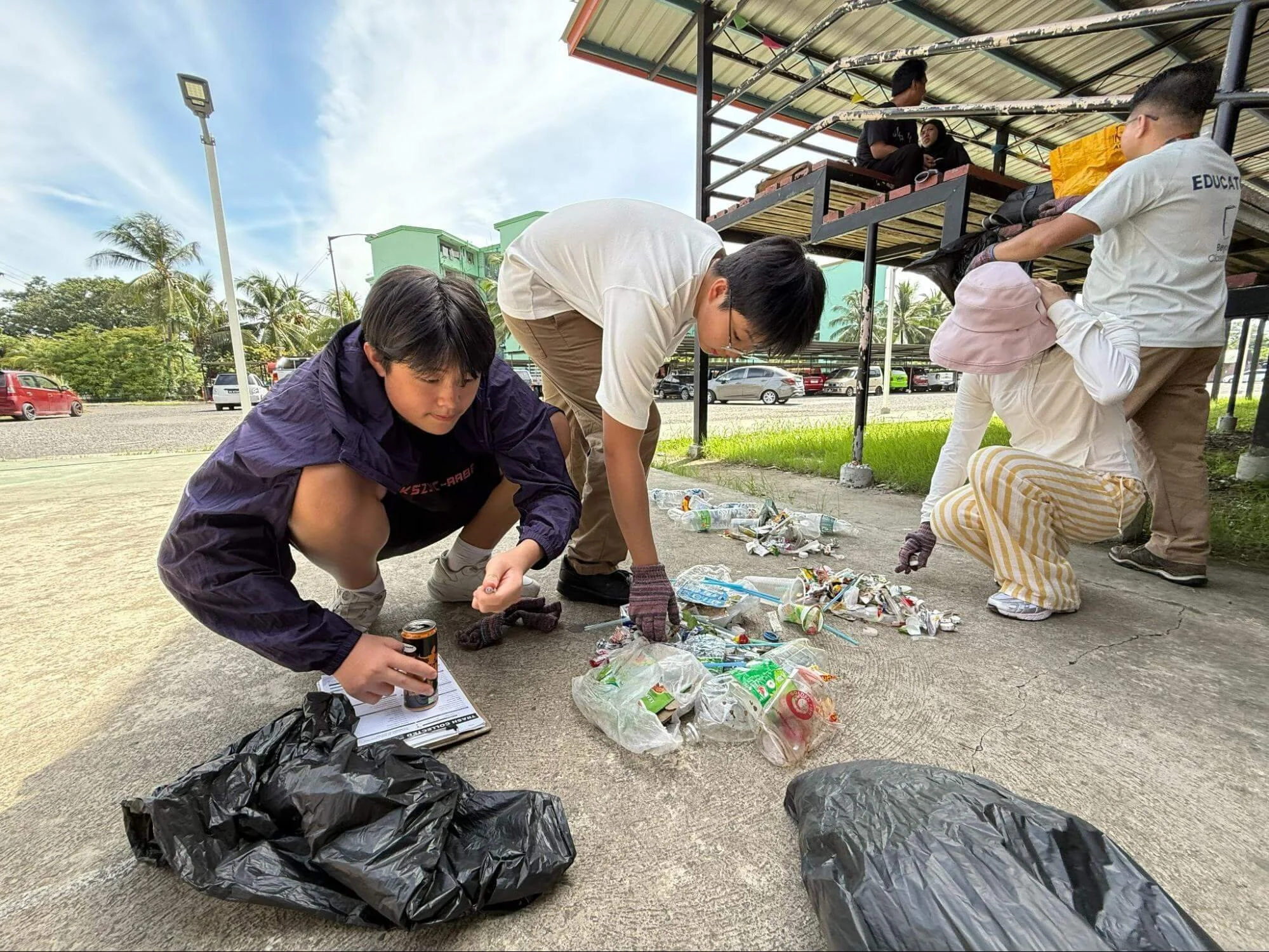
Students taking part in a trash clean up and analysis activity on a school trip to Malaysia.
Students benefit from perspectives that go beyond surface-level explanations, gaining insight into how environmental decisions are made on the ground and how local communities balance conservation, livelihoods, and long-term sustainability.
Creating Programs That Inspire Long-Term Environmental Action
A well-designed sustainability trip does not end upon departure. Structured reflection, follow-up activities, and curriculum links help students carry their learning back into school life. Over time, these experiences can influence academic pathways and personal attitudes towards environmental responsibility.
When nature-based learning is intentional and well supported, it becomes a catalyst for lasting engagement rather than a one-off experience. This long-term approach sits at the heart of how Beyond Classrooms works with schools, ensuring that educational travel continues to deliver meaningful impact long after the journey itself has ended.