
Top Destinations in Asia for International School Trips
Some destinations just work for school travel. Not because they are easy, necessarily, but because they stretch students in the right ways. Asia excels here, again and again. It challenges assumptions, rewards curiosity, and quietly ties classroom learning to lived experience in ways few regions can match.
For international schools in particular, Asia offers something rare: depth without distance, complexity without overload. If the goal is meaningful learning, not just movement across borders, this is a good place to start.
Why Asia Works Well for International School Travel
Curriculum Links Across Subjects
Asia doesn’t fit into a single subject box, and that’s part of the appeal.
History sits next to economics. Geography overlaps with politics. Science, design, and technology turn up where students least expect them. A well-designed program in Asia can support humanities, STEAM, languages, global citizenship, and even creative subjects without forcing the connections.
With our trips, teachers often find that one destination unlocks multiple learning outcomes. This is efficient and creates a coherent learning experience where ideas connect naturally, and students begin to see how different disciplines inform one another in the real world.
Cultural Diversity and Accessibility
Asia is clearly not one story, as it’s multi-faceted and layered tightly together.
Students can experience deep-rooted traditions alongside cutting-edge innovation, sometimes on the same street. Travel infrastructure is strong across much of the region, making movement between learning sites realistic even for shorter trips.
Accessibility and variety are valuable assets that support successful school trips, and Asia offers both.
Southeast Asia: Immersive and Flexible Learning Environments
Singapore: Culture, Conservation, and Urban Studies
Singapore is a top destination for schools because of its powerful learning opportunities, ease of travel, and overall safety.
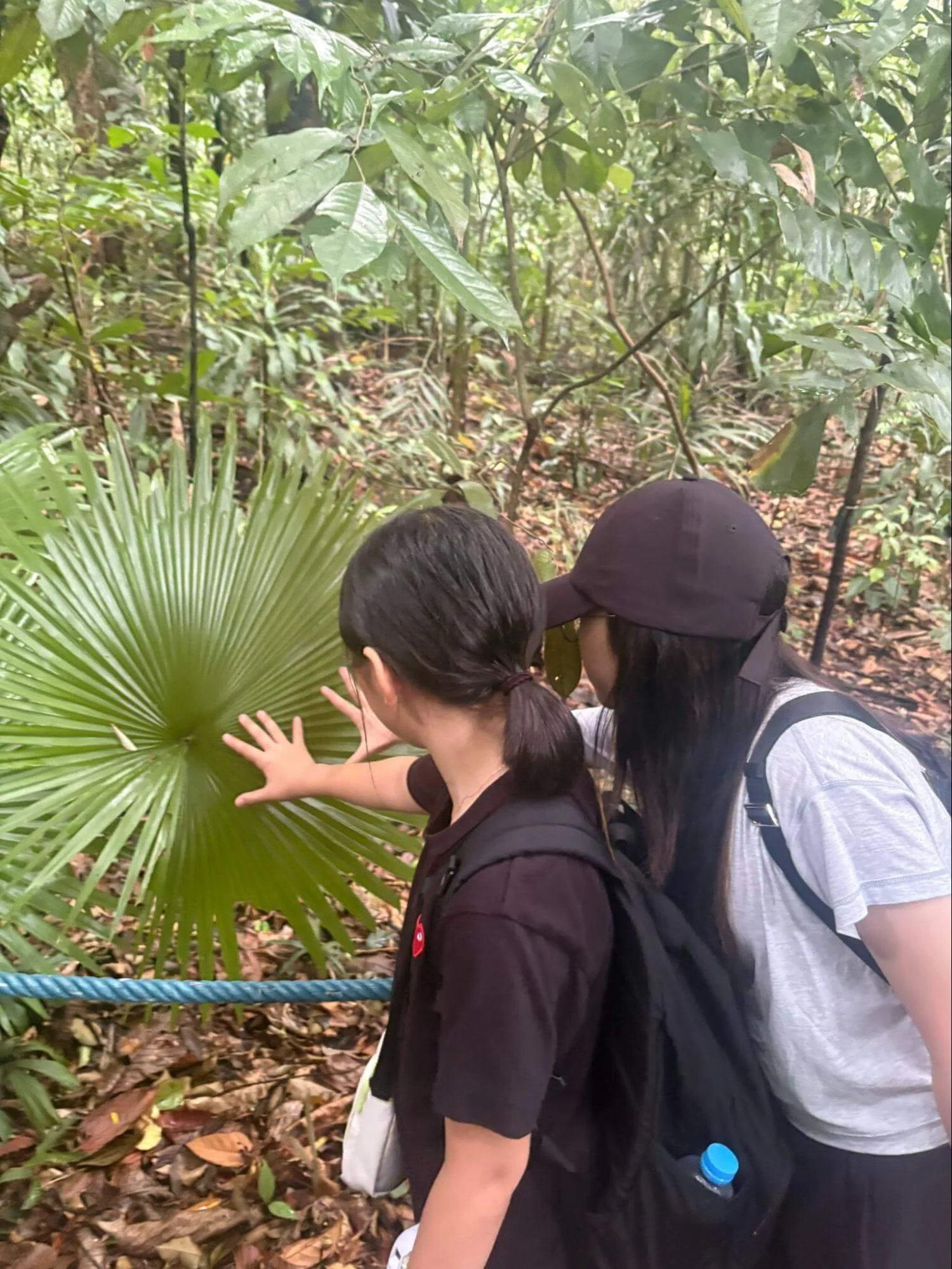
Our Singapore programs lend themselves naturally to STEAM learning, innovation, and urban planning. Add in multiculturalism, environmental design, and conservation initiatives, and students start to see how policy, technology, and culture intersect in real life.
Vietnam: History, Geography, and Economic Development
Vietnam offers a rich sense of contrast that brings learning to life. Past and present sit side by side, allowing students to see how history shapes contemporary society. This layering of experiences creates valuable opportunities for discussion, reflection, and deeper understanding.
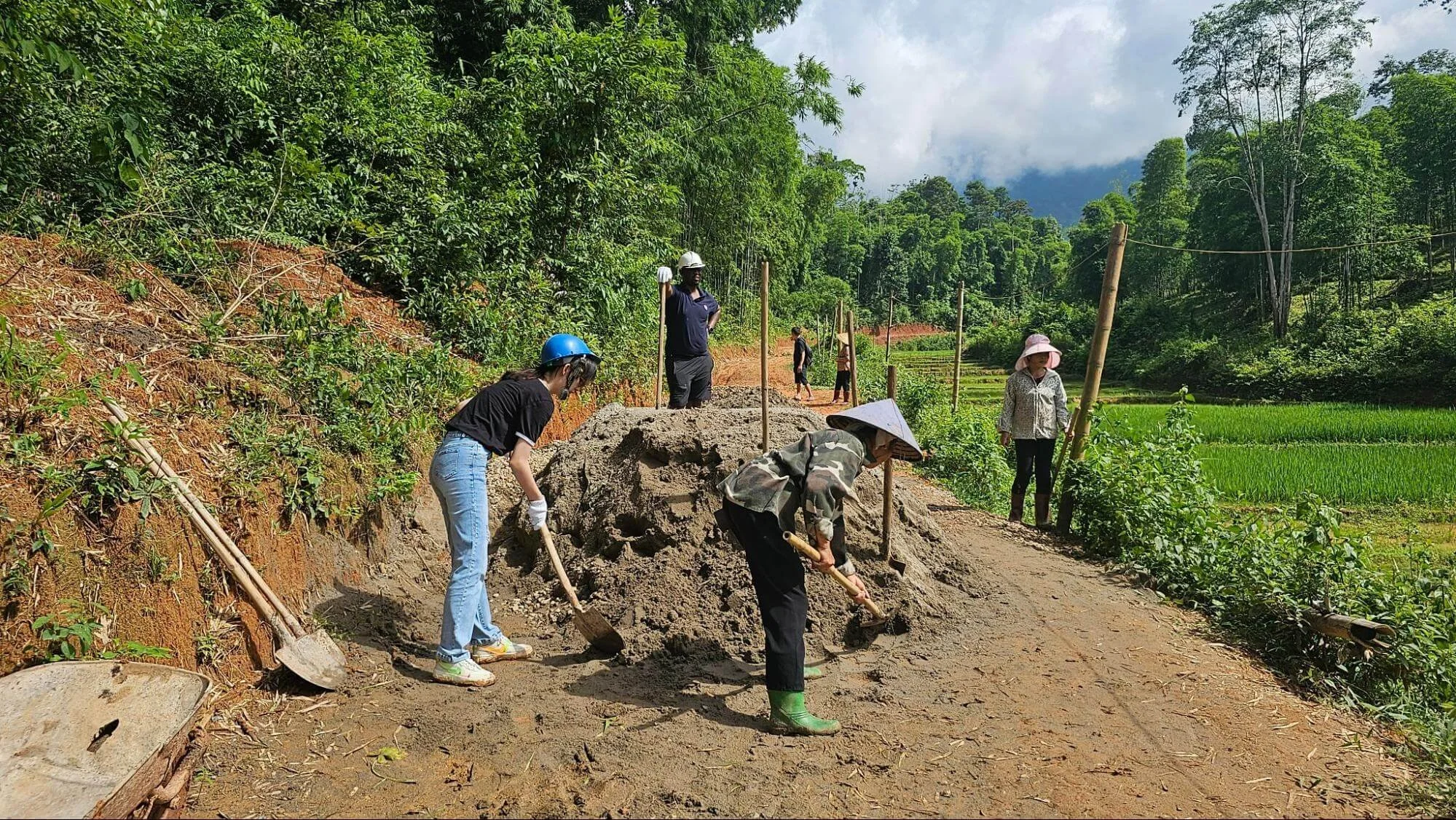
History-focused programs help students understand conflict, resilience, and change over time. Geography and economic development come into sharper focus through regional case studies, particularly in places like Mai Chau, where service learning connects directly to local livelihoods and development challenges.
Indonesia: Heritage, Community, and Environmental Learning
In Indonesia, learning often feels personal. Heritage, community life, and environmental systems are not abstract ideas here. They are visible, daily, and interconnected.
Our programs in Bali allow students to explore sustainability, cultural identity, and human-environment relationships through direct engagement rather than observation alone.
This may include learning how waste management systems support local communities, examining how residents balance tourism with environmental responsibility, or engaging with local artisans to understand how cultural practices are sustained across generations. Through these experiences, students see how human decision-making, natural systems, and cultural values are closely linked in daily life.
East Asia: Innovation, Tradition, and Modern Societies
Japan: History, Tradition, and Cultural Systems
Japan has a way of holding apparent opposites together, where ancient traditions exist alongside hyper-modern cities, deep-rooted social systems, and forms of popular culture that have a truly global reach.
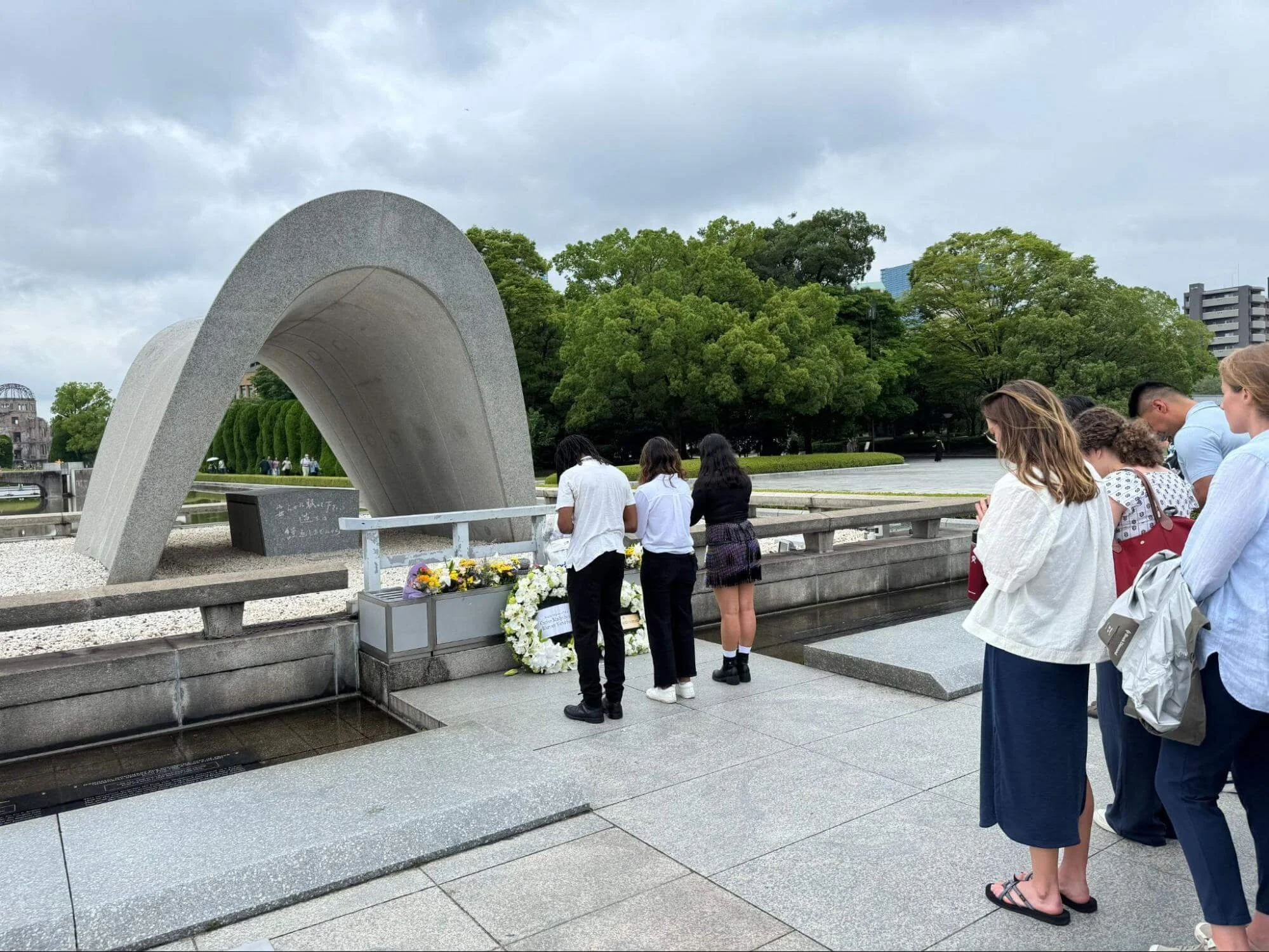
Our Japan programs lean into history, tradition, and contemporary culture, including topics like anime and design, helping students understand how cultural identity evolves without disappearing. It’s a destination that rewards attention to detail.
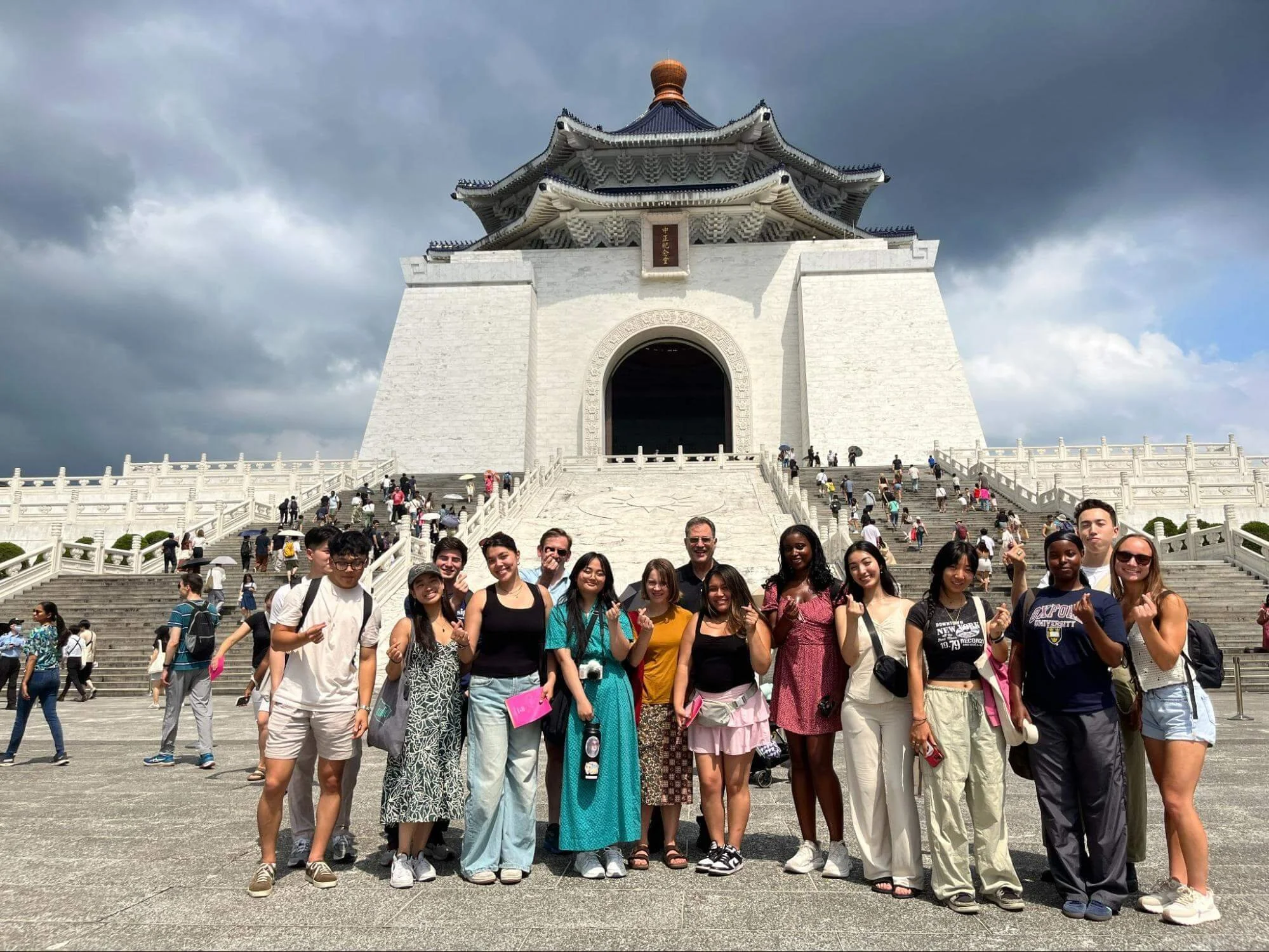
Taiwan: Geography, Industry, and Civic Life
Taiwan works well for schools looking to explore how geography shapes industry, governance, and daily life.
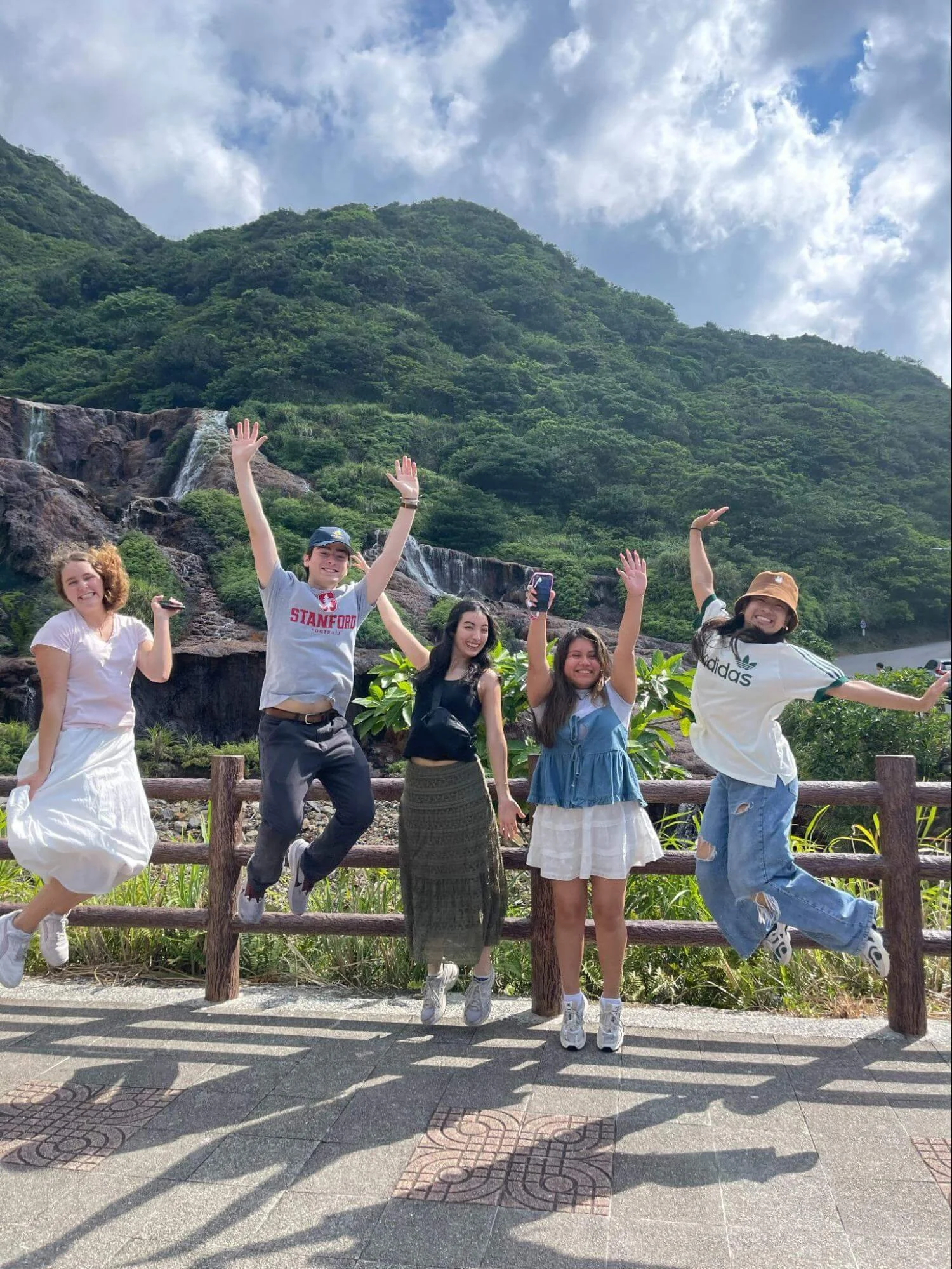
From manufacturing and trade to civic systems and urban development, our Taiwan programs give students a chance to encounter a compact but complex case study. It’s particularly effective for older students ready to handle layered discussions about economics, politics, and identity.
South Korea: Sports, Art, Design, and History
South Korea often connects quickly with students through familiar entry points such as sport, art and design, music, and popular culture, creating an accessible starting point for deeper cultural and historical learning.
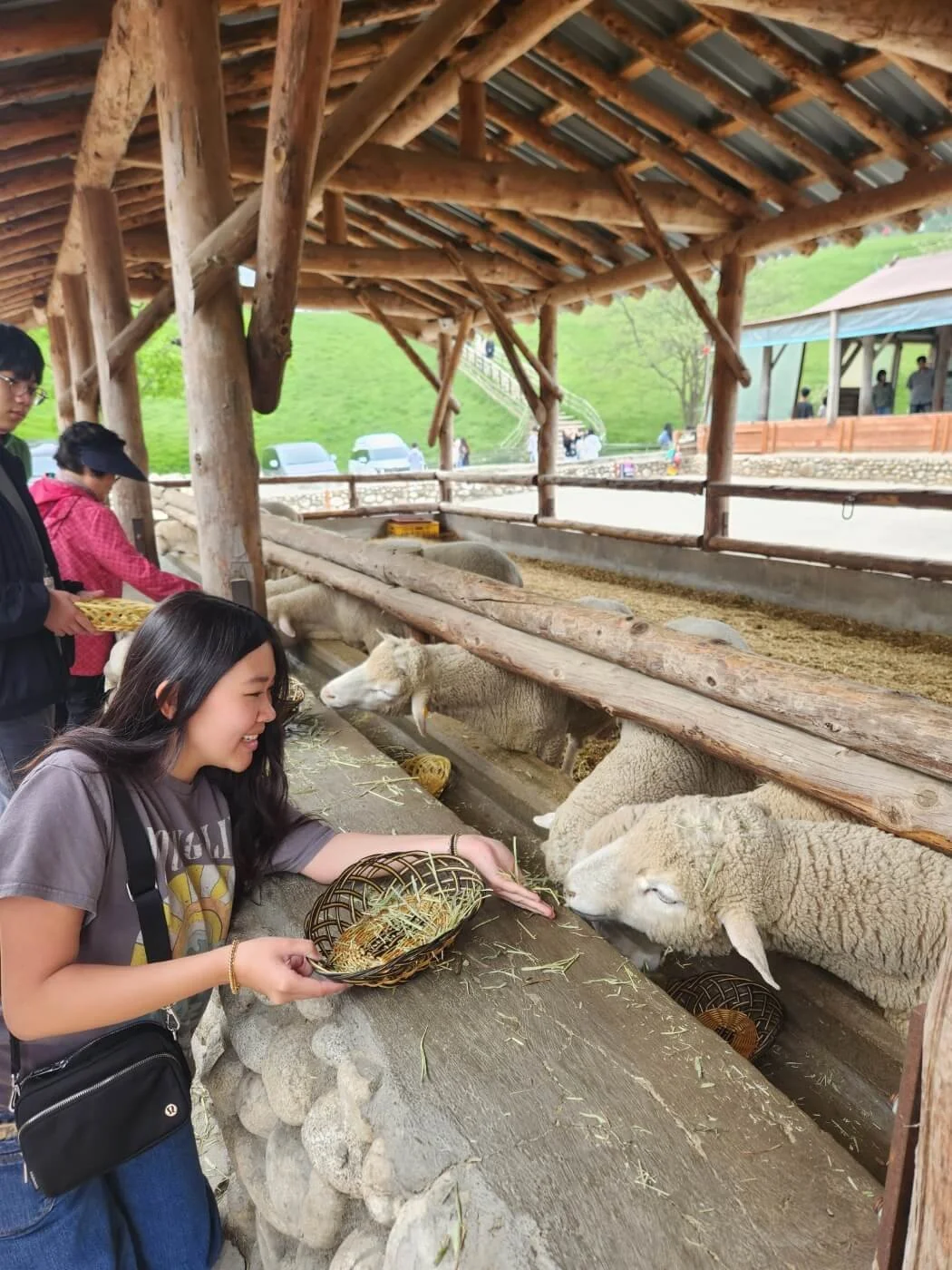
Our South Korea programs balance these contemporary entry points with historical and cultural context, giving students both familiarity and challenge. Engagement is consistently high, and the learning extends beyond the trip itself, informing classroom discussion, reflection, and curriculum work long after students return to school.
Picking the Right Destination for Your Students
Choosing Destinations That Match Learning Objectives
We understand that destinations should serve learning goals, not the other way around.
Different places emphasize different themes. Innovation. History. Environment. Social systems. Defining learning objectives first makes destination selection clearer and more defensible. Once objectives are set, the right location often suggests itself.
Making Level-Appropriate Choices
Not every group needs the same level of complexity. Travel time matters, together with ideal trip length. Students’ previous travel experience also plays a role, and so does parental comfort. Some destinations suit first-time travelers, whereas others work best for older or more experienced groups.
We continually find that good planning respects those realities instead of pushing against them.
How Beyond Classrooms Designs Destination-Led Programs
Educational Intent Behind Every Itinerary
Our destinations are never chosen for novelty alone. Each itinerary is built around clear educational intent, with activities and pacing designed to support learning rather than distract from it.
Local Expertise and Long-Term Partnerships
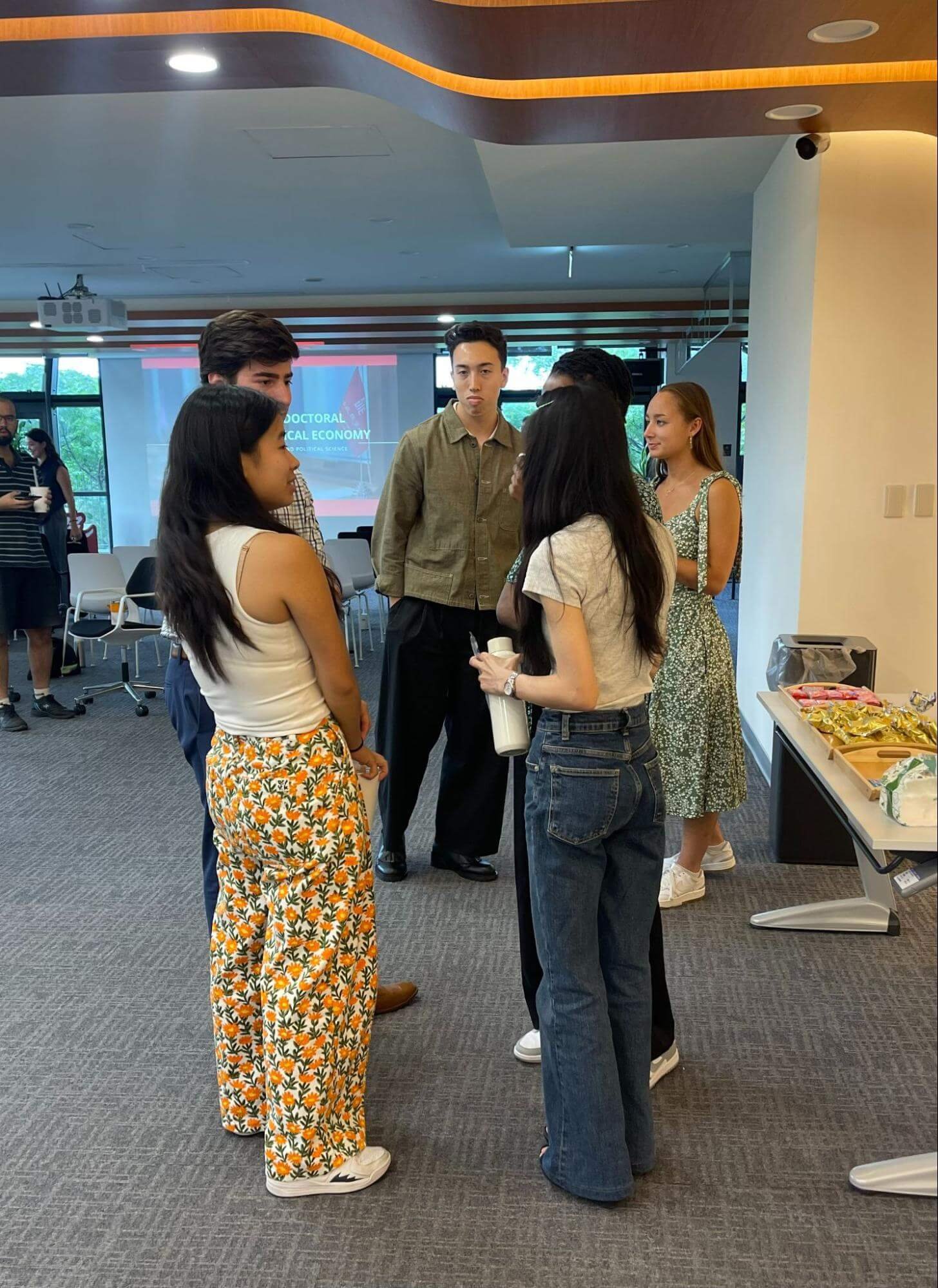
Strong programs depend on people on the ground. Long-term partnerships bring consistency, local insight, and flexibility when plans need adjusting.
We are mindful that this high level of local knowledge shapes experiences students remember, not just the places they visit.
If you’re exploring Asia as a learning destination for your students, take a closer look at how Beyond Classrooms designs programs that align curriculum goals with meaningful, well-supported travel.