

Mongolia’s Nomadic Culture and Modern Development
Mongolia’s nomadic past continues to influence the country’s balancing act of tradition and modern economic growth. Educators can use Mongolia as a good example to see how communities deal with change, but still keep their cultural identity, knowledge of the environment and practices between generations.
Instead of looking at Mongolian culture as something that’s frozen in time, we’ve found that students can explore how herding traditions, natural landscapes, urbanization, mining, infrastructure and education all interact in real life.
This article considers Mongolia as a learning context for global studies, geography, economics, sustainability and cultural understanding, focusing on what students can see, question and reflect upon during one of educational visits to the country.

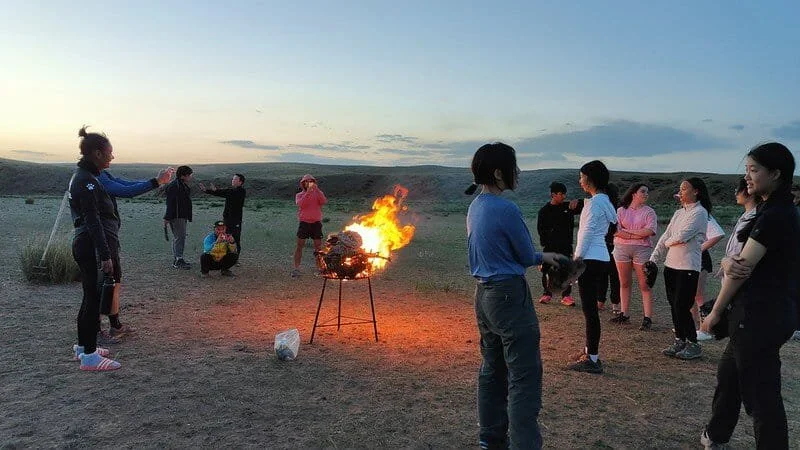
Students exploring how nomadic traditions connect culture, environment, and daily life.
Key Notes for Educators
Mongolia helps students study the relationship between traditional livelihoods and modern national development.
Nomadic life offers practical learning links to geography, climate adaptation, sustainability, and community resilience.
Modern growth in Mongolia creates useful discussion points around mining, urbanization, infrastructure, and economic change.
Cultural learning should focus on respectful observation, guided inquiry, and meaningful reflection rather than surface-level comparison.
A well-planned Mongolia school visit can support global citizenship, environmental awareness, and cross-cultural understanding.
What is the Nomadic Heritage of Mongolia?
As we discover throughout our School Trips to Mongolia, nomadic heritage is rooted in pastoral herding, seasonal movement, and a close relationship with the land. For centuries, many Mongolian families have moved with their animals to find suitable pasture, water, and shelter across changing weather conditions. This way of life has shaped food, housing, transport, family roles, social customs, and environmental decision-making.
The ger, a round portable dwelling meant to be mobile, insulated and useful in the open landscape, is a key symbol of this heritage. Students can explore how its structure conveys cultural identity and adaptation to the environment.

Students connecting with the nomadic heritage and learning about traditional housing
Nomadic life also shows that Mongolia culture is in no way separate from daily survival. Lived experience is passed from one generation to the next through knowledge of herding, animal care, weather and respect for natural resources. For students, this provides a concrete example of cultural traditions as practical systems of knowledge, not only as past customs.
What Type of Landscape is Mongolia?
The Mongolian landscape is huge and diverse, with open steppe, mountains, desert, forest and grassland. Much of the country is sparsely populated, so geography has a big impact on how people live, travel, raise livestock and use natural resources.
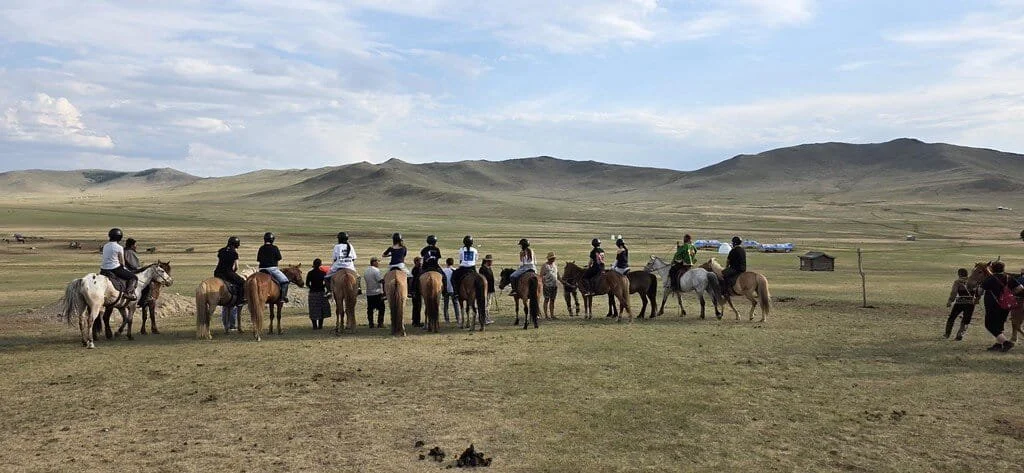
The Mongolian landscape helps students understand how geography shapes movement, livelihoods, and culture.
The steppe of Mongolia is one of the most important landscapes in the country. The open grasslands are home to herding communities and help students understand why mobility has been practical, not optional, for centuries. In other settings, the Gobi Desert, the Altai Mountains, and the northern forested regions illustrate how climate, elevation, and water resources shape daily life.
Students taking part in our programs such as Call of the Wild, discover that Mongolia’s landscape provides a clear link between environment and human adaptation. It helps them ask useful questions about land use, climate pressure, biodiversity, resource management, and the relationship between place and culture. This makes Mongolia culture easier to understand as something shaped by real geographic conditions, not only by tradition.
What is the Economic Development of Mongolia?
Mongolia’s economic development is closely linked to its natural resources, urban growth, and changing role in regional trade. Mining is a major part of the economy, especially for coal, copper, gold, and other minerals. This has created investment, jobs, and infrastructure growth, while also raising important questions about environmental protection, community impact, and long-term economic balance.
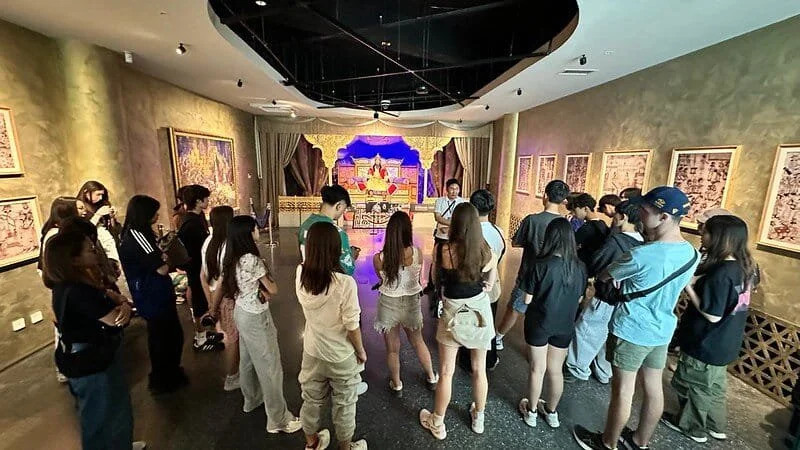
Urban Mongolia gives students a real-world view of modernization, culture, and economic change.
Ulaanbaatar, Mongolia’s capital, shows another side of this development and it is where our Mongolia school trip itineraries begin. Many people have moved from rural areas to the city for education, employment, healthcare, and access to services. This shift helps students understand how modernization can create new opportunities while also placing pressure on housing, transport, air quality, and public planning.
For educators, Mongolia offers a useful case study in development that is not separate from culture. Students can examine how a country with strong nomadic traditions manages economic change, resource demand, and urban expansion while continuing to protect important parts of its identity.
What Educators Should Remember About Mongolia
Mongolia connects biodiversity, culture, geography, and sustainability through real examples students can observe in the field.
Field learning helps students understand how climate, land use, livelihoods, and economic development affect daily life.
Mongolia culture should be explored through respectful preparation, guided discussion, and careful observation.
Strong educational travel planning should begin with clear learning outcomes, not only destination highlights.
Community-based learning works best when students understand context, listen actively, and avoid surface-level comparisons.
Reflection helps students connect what they see in Mongolia to wider questions about development, identity, and environmental responsibility.
Opportunities for Students Visiting Mongolia
A well planned visit to Mongolia can help students link ideas from the classroom to real landscapes, communities and development choices. This is particularly useful for subjects such as geography, global studies, environmental science, economics, and cultural studies.
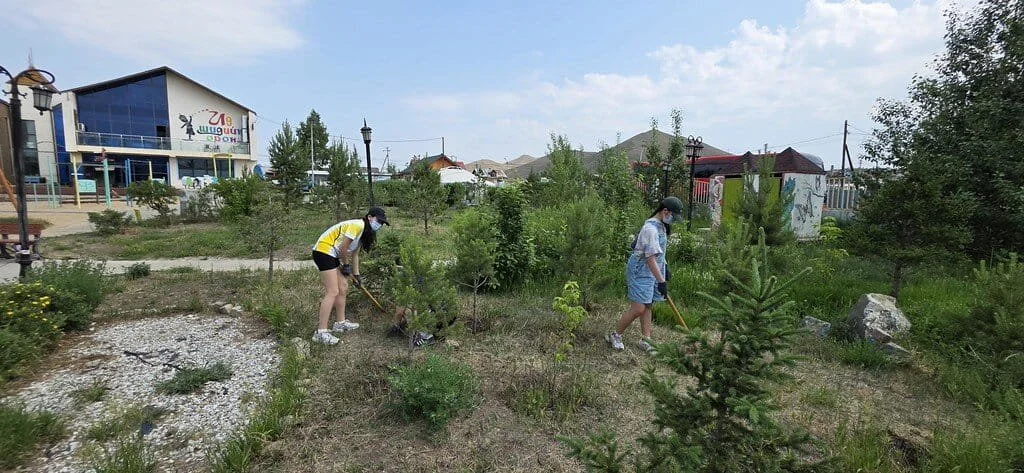
Mongolia’s traditions offer a practical lens for studying adaptation, sustainability, and community resilience.
Students learn through observation, questioning, guided discussion, and reflection. They may consider how nomadic traditions adapt to environmental conditions, how urban growth transforms everyday life, or how economic development offers opportunity and responsibility. Careful structuring of such experiences is necessary for students to engage with people and places in a respectful manner.

Guided reflection helps students connect Mongolia’s culture, landscapes, and development choices to classroom learning.
For educators, the most effective Mongolia educational tours begin with clear learning goals, appropriate preparation, and space for students to process what they have learned. Schools planning meaningful, responsible field learning in Mongolia can work with Beyond Classrooms to design experiences that support curriculum goals and student understanding.