

Singapore’s Economic Model: How a Small Nation Became a Global Hub

Singapore’s success story is a clear example for students of how a small nation can build long-term economic strength through planning, trade, education, infrastructure and global connectivity. Singapore’s economic model is not based on the size of its land or its natural resources, but on smart choices, strong institutions and the ability to adapt to regional and global change.
We have found that educators benefit from the Singapore economy as a practical case study of how countries shape growth through policy, urban systems, human capital and international positioning. Below, we examine Singapore as a context for learning economics, geography, business, urban planning and global studies, and the questions students on our programs can investigate through real-world observation.
Key Notes for Educators
Singapore helps students understand how policy, trade, education, and infrastructure can support national development.
The country’s location makes it a useful case study for global trade, logistics, shipping, and regional connectivity.
Singapore’s urban planning system shows how land use, housing, transport, and sustainability are managed in a dense city-state.
Students can examine how a resource-limited country built influence through finance, innovation, governance, and global partnerships.
A Singapore educational visit works best when linked to clear inquiry questions about growth, resilience, and future challenges.
What Causes Singapore’s Economic Growth?
As students learn during our school trips to Singapore, the nations’ economic growth has been driven by long-term planning, open trade, strong infrastructure, investment in education, and a stable business environment. The country had limited natural resources, so its development strategy focused on people, connectivity, institutions, and global relevance.
At the heart of Singapore’s Economic Model is attracting international investment and building local capacity. The government invested in ports, airports, public housing, transport, schools and skills training, to underpin business growth and social stability. This has allowed Singapore to move away from low value-add industries into higher value-add industries such as finance, technology, logistics, biomedical sciences and advanced manufacturing.
Students learn that the growth of Singapore is useful because it shows that economic development is not only about resources. It also depends on governance, education, infrastructure, adaptability and how a country positioned itself in the global economy.
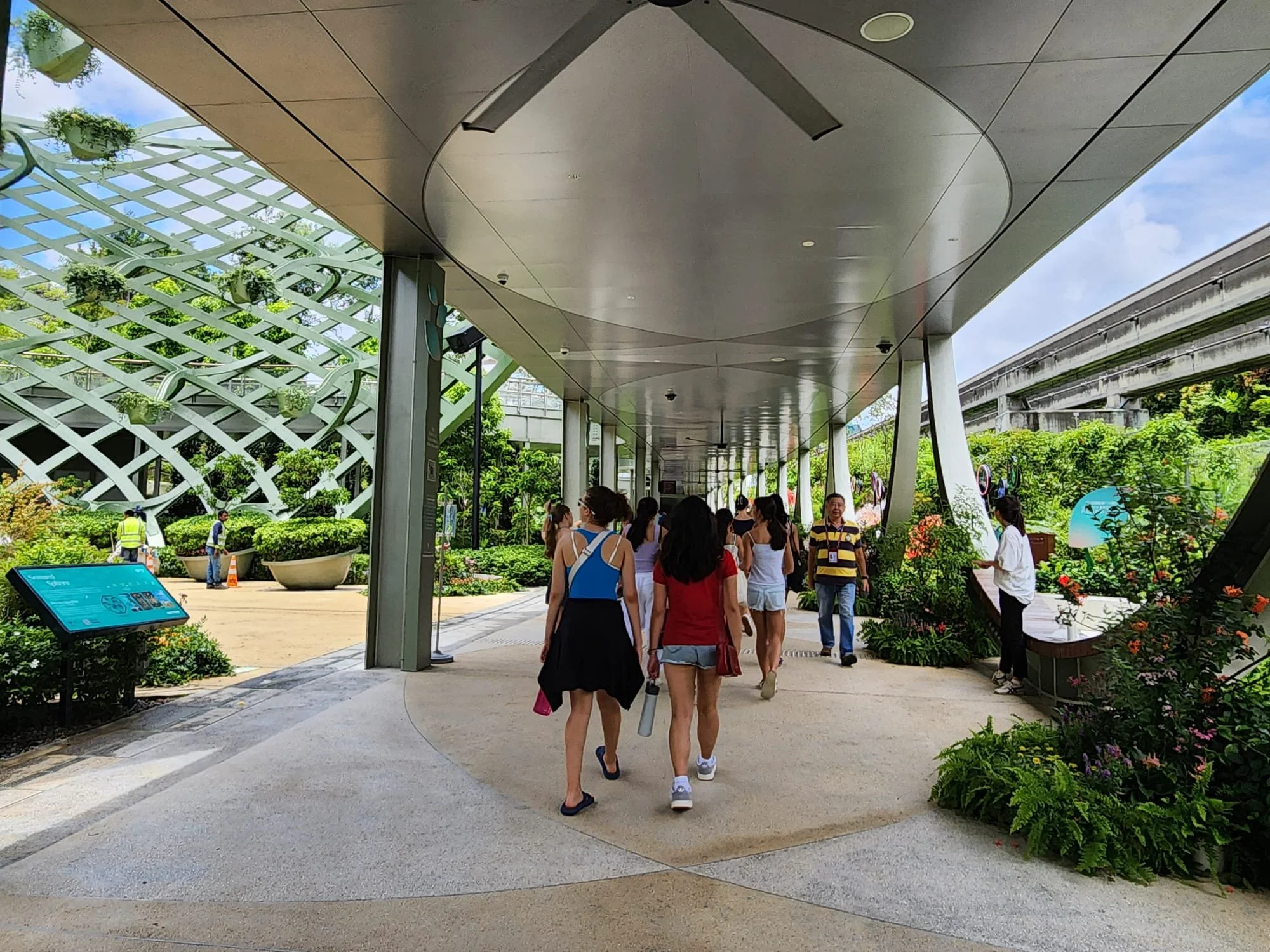
Students are exploring how Singapore’s urban environment supports learning about culture, infrastructure, and growth.
Why is Singapore a Strategic Location for Trade?
Singapore is a place for trade because it is on the main routes that ships use to travel between Asia, Europe, the Middle East and the Pacific. The fact that it is near the Strait of Malacca has made Singapore an important place for logistics and trade.

Transport and infrastructure help students understand how Singapore connects people, places, and economic activity.
It is not just the location of Singapore that makes it so important for trade. The country has also invested considerably into making its port and airport efficient for people and goods to get in and out. They have systems for handling customs and for helping businesses and they have invested in digital assets. All of this means that things can move quickly through Singapore like products, people and information. Singapore is a place where trade can happen easily and quickly.

Students engaging in activities and learning how Singapore balances land use, sustainability, housing, and urban growth.
This makes Singapore a practical case study for school trips in how geography and planning work together. We also help students experience the country’s innovation during our STEAM Trip itinerary. Learners quickly pick up that the Singapore economy shows that a country can turn a small land area into a major advantage when infrastructure, policy, and international connections are aligned. Educators can use this topic to help students examine trade networks, regional interdependence, and the role of cities in the global economy.
What is the Urban Planning System in Singapore?
As students learn on our MBA and University trip, Singapore’s urban planning system is a coordinated approach to land use, housing, transport, green space, water management, and economic development. Because Singapore has limited land, planning decisions must balance residential needs, business growth, public services, environmental protection, and future infrastructure.

Singapore’s location and infrastructure make global trade and connectivity visible for students.
A key feature of this system is long-term planning. Singapore uses national plans, zoning, public housing policy, integrated transport networks, and sustainability targets to guide how the city develops. This helps students see how urban planning is not only about buildings, but also about how people live, move, work, and access shared resources.
For educators, Singapore’s success story offers a clear way to connect urban geography with real-world decision-making. Students can examine how a dense city-state manages limited space while supporting economic activity, social stability, and environmental resilience. This makes Singapore a useful case study for discussions about sustainable cities, public policy, and future urban challenges.
What Educators Should Remember About Singapore
Singapore supports learning across history, culture, geography, economic development, urban planning, and sustainability.
Singapore’s Economic Model helps students examine how policy, trade, infrastructure, and education shape national growth.
Field learning makes concepts such as global trade, land use, finance, and urban planning easier for students to understand.
Community-based learning in Singapore should be prepared carefully so students engage with local context respectfully.
Strong Singapore educational tours should begin with clear learning outcomes, not only destination selection.
Reflection helps students connect Singapore’s success story to wider questions about resilience, governance, and future cities.
Why Singapore Is a Powerful Case Study for Students
Singapore’s educational value comes from how the experience is designed, not simply from visiting a major global city. A meaningful program should help students investigate how the Singapore economy developed, how urban systems support daily life, and how a small country built influence through planning, connectivity, and adaptability.
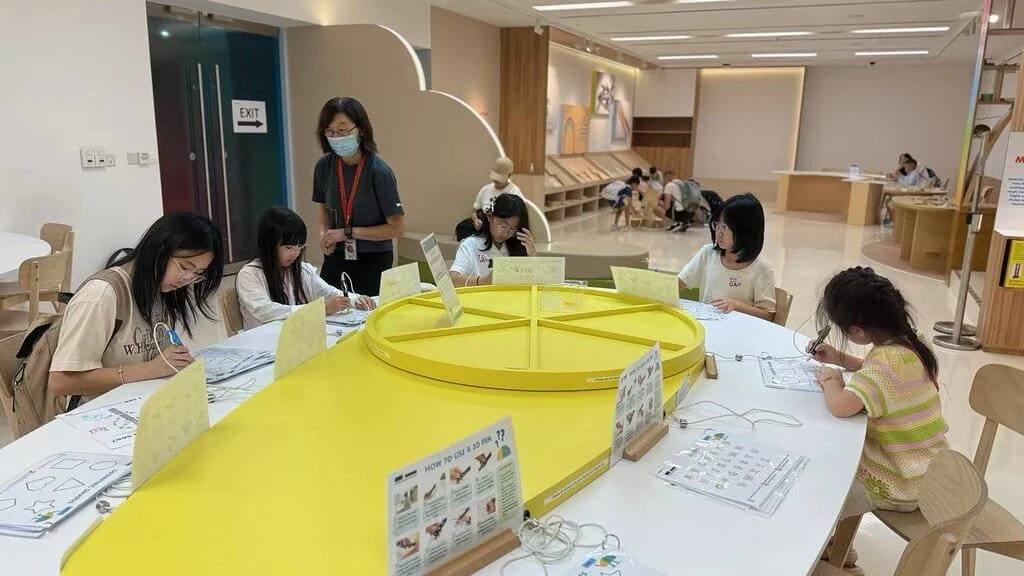
Guided reflection helps students connect Singapore’s economic model to real-world systems and decision-making.
Students can learn through observation, inquiry, guided discussion, and reflection. They might compare classroom ideas with what they see in transport networks, public spaces, business districts, heritage areas, and sustainability initiatives. These experiences become more valuable when teachers frame them around clear questions before the trip and structured reflection after each field activity.
For educators, Singapore works best as a living case study in development, governance, and global citizenship. Schools planning purposeful Singapore educational tours can work with Beyond Classrooms to design learning experiences shaped by curriculum goals, cultural respect, and student understanding.