

Planning Travel and Accommodation for Large Student Groups
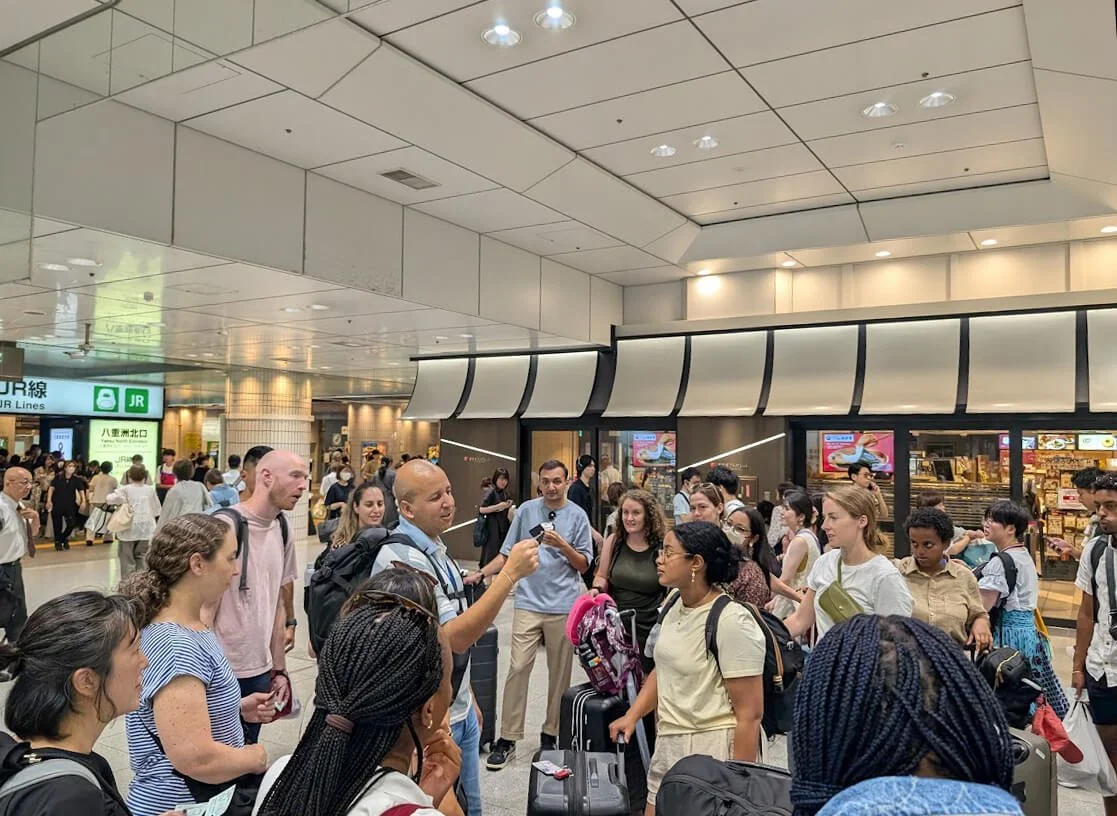
There’s a particular kind of silence that falls over a room when someone says, “We’re taking eighty students overseas.” Not panic exactly. More like collective mental arithmetic. Rooms, buses, ratios, activity bookings, bedtimes, and more. There’s also that nagging question no one says out loud: How do we make this work without something unraveling halfway through?
Planning travel and accommodation for large student groups is less about grand gestures and more about hundreds of small, sensible decisions made early. When it’s done well, it barely feels visible, yet when it’s not, everyone feels it.
This article breaks down the key considerations involved in planning travel and accommodation for large student groups, from supervision ratios and accommodation choices to transport logistics, risk management, and end-to-end coordination.
Understanding the Logistics of Group Travel
Group Size, Age Range, and Supervision Ratios
Everything starts with the numbers: how many students are travelling, their age range, and how independently they can realistically move through the day. Age matters more than people often expect. A group of sixteen-year-olds travels, learns, and responds very differently from a group of eleven-year-olds, and each requires a distinct pace, level of supervision, and daily structure.
At Beyond Classrooms, our standard supervision ratio is 1 staff member to 10 students. This sits alongside each school’s own safeguarding requirements, which often differ depending on age, context, or internal policy. For that reason, it is important for schools to have a clear sense of how many staff will be traveling from the outset, as all ratios are factored into planning from the very first conversation.
Balancing Safety, Comfort, and Cost
Safety is non-negotiable, and comfort plays a major role in overall morale. Cost, however, is the practical reality schools must always account for. The challenge is not choosing one priority over another, but understanding where compromise is appropriate and where it is not.
Sometimes that means spending a little more to reduce daily travel time and protect student energy levels. At other times, it means selecting simpler accommodation so the learning experience remains the focus. For large student groups in particular, these decisions carry extra weight, as expectations from students, staff, and parents all intersect. Discussing priorities early helps align those voices and prevents difficult trade-offs from emerging later in the planning process.
Choosing the Right Accommodation for Students
Location, Accessibility, and Daily Travel Time
Accommodation frequently looks great on a booking page. It’s only later, when buses are crawling through traffic at 7:30 a.m., that location really shows its value.
Shorter daily travel times reduce fatigue, which is especially important when traveling with a large group. They also protect learning time, which is often what schools care about most once the trip is underway. Being close to key sites or activities allows flexibility and grants the possibility to have late starts, earlier finishes, and space to breathe.
Accessibility matters too, and not just for physical access, but ease of movement for large groups. Elevators, wide corridors, and clear layouts are examples of small details that make a big difference when choosing an accommodation.

Rooming Plans and Staff Oversight
Rooming is where planning meets reality, as decisions around who shares rooms, how staff are positioned, and how student movement is monitored must balance oversight without feeling intrusive.
Clear rooming plans help students settle quickly and help staff do their jobs without guesswork. Strategic placement of staff rooms near student rooms isn’t about control. It’s about quiet oversight, especially at the start and end of the day when things tend to drift. Good planning here prevents issues most people never think about.
Managing Transport Across Destinations
Flights, Coaches, and On-the-Ground Transfers
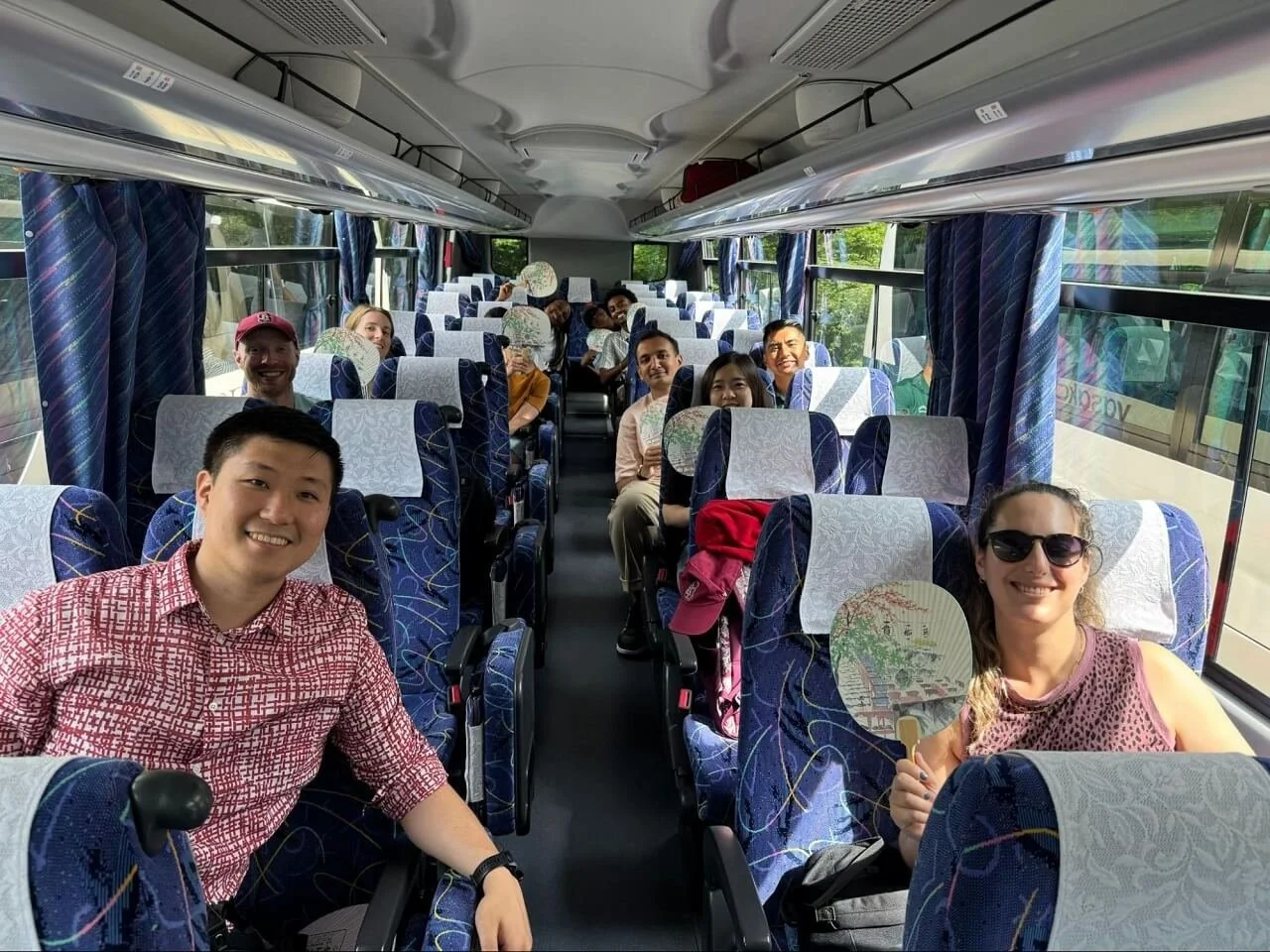
Large groups move slowly. This means that flights need buffer time and transfers require absolute clarity. Coaches have to be reliable and appropriately sized, with drivers who understand student groups rather than just tolerating them.
What matters most is continuity. The fewer handovers between providers, the fewer opportunities for confusion. Students stay calmer and staff keep focused, which ensures schedules remain intact.
Reducing Fatigue and Maximizing Learning Time
Fatigue is the silent thief of good trips. Long transfers, repeated early starts, constant packing and unpacking — it adds up.
Thoughtful routing helps. So does resisting the urge to cram too much in. A slightly slower pace often leads to sharper engagement and better learning outcomes. This may seem counterintuitive, but overall it can lead to a greater impact.
Risk Management and Duty of Care
Emergency Planning and Contingency Options
On trips involving large student groups, small disruptions are to be expected, whether due to weather changes, minor illnesses, or transport delays. That reality makes contingency planning even more important, ensuring that when issues arise, there are clear responses in place and the learning experience continues with minimal disruption.
When something unexpected happens, students shouldn’t feel it. Staff shouldn’t have to improvise under pressure. Good planning absorbs the shock quietly.
Working With Experienced Providers Like Beyond Classrooms
Experience shows up in small decisions made early, not in dramatic rescues later.
We work with schools to anticipate challenges rather than react to them. That includes understanding safeguarding expectations, aligning with school policies, and designing logistics that support learning instead of competing with it.
It’s about working alongside schools to support their role and make the planning and delivery of the trip more manageable.

Streamlining Planning for School Leaders
Timelines, Checklists, and Advance Planning
School leaders juggle enough already. Trips shouldn’t feel like an additional full-time job.
Clear timelines reduce stress. Checklists prevent duplication. Advance planning allows space for approvals, communication with parents, and internal coordination. None of this is glamorous, but all of it is so important.
When planning is structured, decision-making becomes calmer, more deliberate, and ultimately less reactive.

Benefits of End-to-End Trip Coordination
End-to-end coordination removes friction by bringing planning into a single, shared process with clear assumptions and a defined line of responsibility.
It also frees schools to focus on what they care about most: students, learning outcomes, and pastoral care. Logistics fade into the background where they belong.
If you’re exploring upcoming programs and want to see how experienced coordination can support your school, learn more about how we approach group travel planning by contacting us today.
Key Takeaways for School Leaders and Trip Planners
Successful large student trips depend on early, detail-oriented planning around group size, age, and supervision ratios.
Safety, comfort, and cost work best when considered together, with clear decisions about where compromise is and is not appropriate.
Accommodation and transport choices directly affect student wellbeing, energy levels, and learning time.
Strong risk management is proactive and largely invisible, with clear contingency plans needing to be in place before departure.
End-to-end coordination reduces pressure on school leaders and allows staff to focus on learning and pastoral care rather than logistics.
Experienced providers help turn complex travel arrangements into structured, manageable learning experiences.