

South Korea’s Technology Economy and Global Innovation
How do you show students what a modern, innovation-driven economy actually looks like in practice, not just in theory? For many school leaders and trip organisers, it is difficult to find destinations where students can clearly connect ideas like technology, globalization, and economic growth to real-world examples they can observe and question.
South Korea offers a strong answer. Its rapid rise from a developing economy to a global leader in technology, manufacturing, and culture makes it one of the most relevant case studies for students today. The impact of this transformation is visible across its cities, industries, and education system, which is why it continues to feature in many of our programs, including our South Korea-focused educational experiences.
In this article, we explore how the South Korea economy evolved into a global innovation hub, the role of major companies and education in that growth, and what students can realistically observe and learn during a visit. The goal is to help you plan a trip that goes beyond surface-level exposure and gives students a clearer understanding of how innovation shapes a country’s development.
Key points covered in this article:
How South Korea transformed into a global technology-driven economy
The role of major companies in shaping innovation and economic growth
How education supports a strong culture of technology and development
What students can observe and learn during an educational visit to South Korea
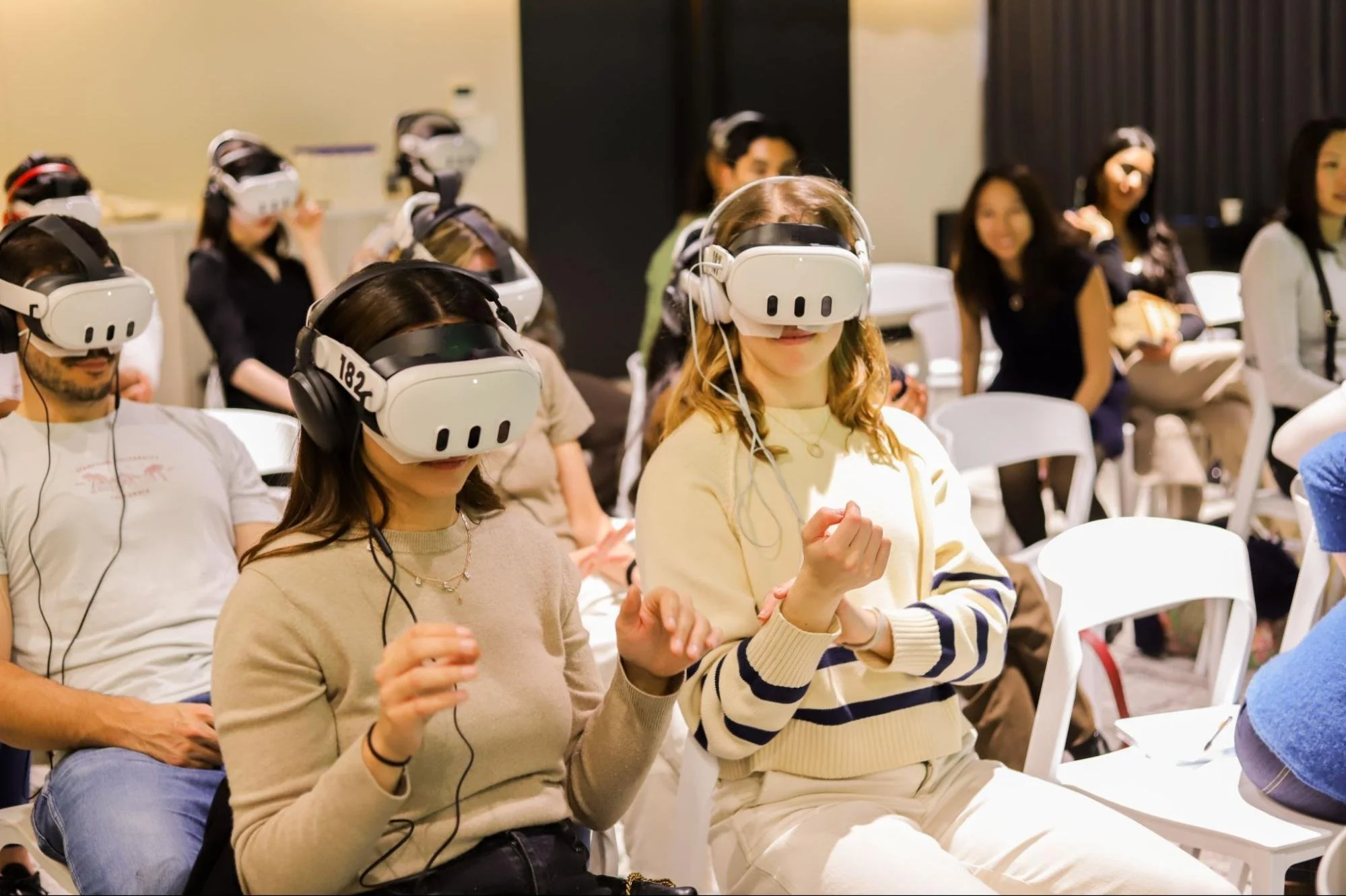
Observing how technology is embedded in everyday life across South Korea.
South Korea’s Economic Transformation
For many students, the country is associated with global brands, fast internet, and cultural exports like K-pop. What they do not always see is that, within a few decades, South Korea moved from post-war poverty to one of the most advanced economies in the world. That shift is not just historical context. It is central to how you frame the learning experience.
When planning a trip, this raises an important question. Are students simply visiting a developed country, or are they exploring how that development happened?
From Recovery to Rapid Growth
South Korea’s growth was not gradual. It was deliberate, fast, and heavily shaped by government strategy, global trade, and investment in key industries.
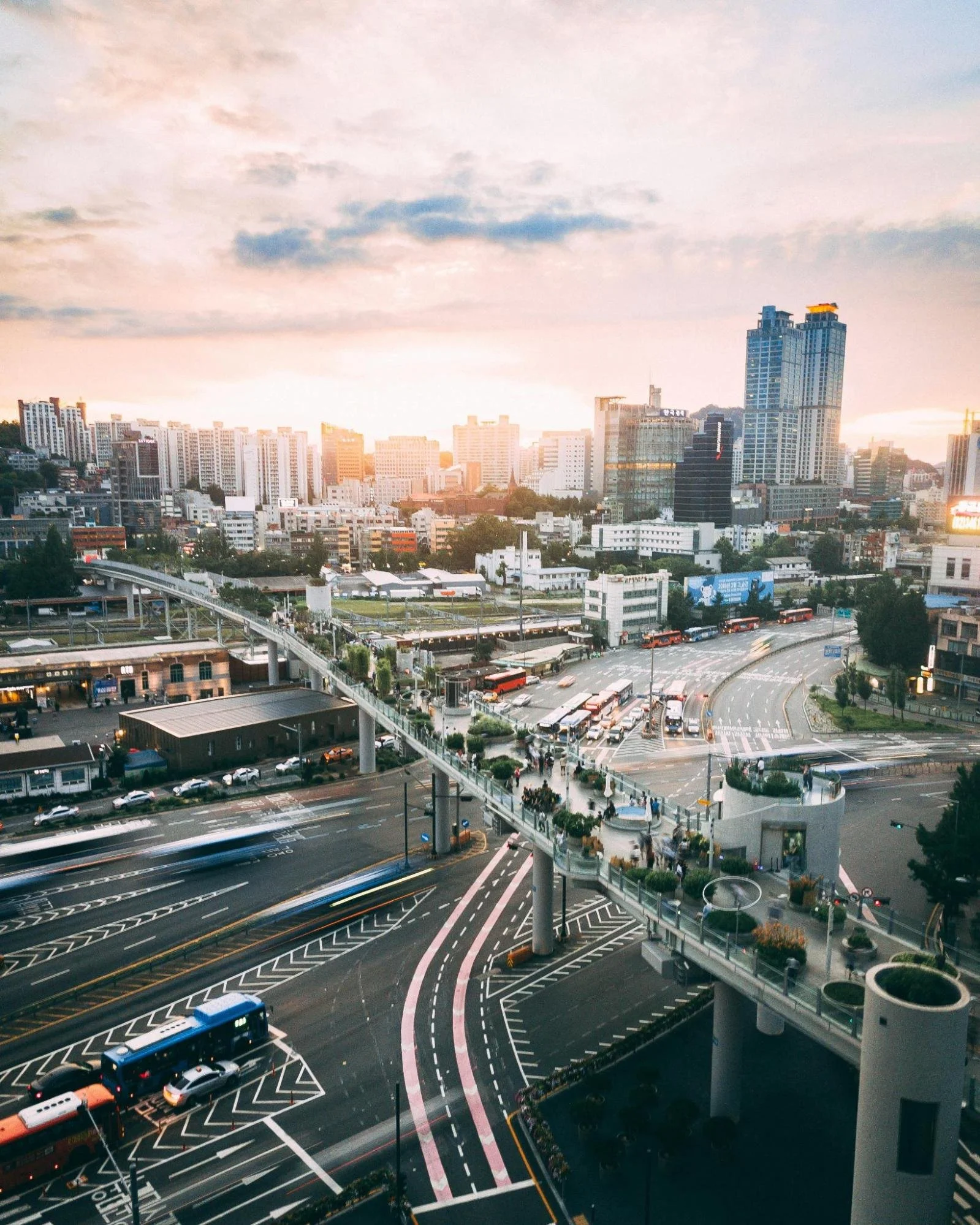
You can start to bring this to life by linking places students visit to different stages of that journey. In Seoul, for example, modern infrastructure, high-density development, and advanced public transport systems reflect decades of planning and economic prioritization. These are not just features of a capital city. They are outcomes of specific decisions around growth and competitiveness.
It helps to frame this in simple terms for students. What choices did the country make to get here, and what might have been the trade-offs?
Making the Shift Tangible for Students
One of the challenges with teaching economic transformation is that it can feel abstract. Numbers, timelines, and policy decisions do not always translate well on the ground.
Students might walk through areas where traditional markets operate alongside high-tech retail spaces, or see how older neighborhoods sit next to newer developments.
Rather than over-structuring this, we often encourage a simple observational approach. Ask students to notice where investment appears concentrated, how space is used, and what signals economic priority. These small details often lead to deeper discussions without needing heavy explanation.
Planning Around Context, Not Just Locations
If the goal is to understand the South Korea economy, then location alone is not enough.
For example, a visit to a business district or technology hub can be informative, but without framing, it risks becoming just another city experience. Adding even a short briefing beforehand, explaining how these areas fit into the country’s wider economic strategy, can significantly improve what students take away.

Students analyzing real-world environments to understand economic and social systems.
The same applies when moving between locations. Travel time can be used to highlight regional differences, or to discuss how infrastructure supports economic growth. These moments are often overlooked, but they are where connections start to form.
Choosing What to Emphasize on a School Trip to South Korea
There is a temptation to present South Korea’s transformation as a straightforward success story. While it is impressive, it is also important for students to understand that rapid growth comes with complexity.
Urban density, competitive education systems, and economic pressure are all part of the picture. Introducing these ideas, even briefly, helps students move beyond a simplified view and start thinking more critically about development.
For trip organisers, this does not mean adding more content. It means being selective about what to highlight and how to frame it. A focused narrative will always be more effective than trying to cover everything.
In the next section, we look more closely at the role of global companies and innovation, and how these forces continue to shape South Korea’s position in the global economy.
Global Companies and Innovation in South Korea
Ask a group of students what they associate with South Korea, and you will usually hear a few familiar names within seconds. That instinct is useful. It gives you a starting point.
Companies like Samsung, Hyundai, and LG are central to how the South Korea economy operates and how it is perceived globally. For a school trip, this creates an opportunity to move beyond brand recognition and explore how innovation actually happens at scale.
The question to build around could be something like, what does it take for a country to produce companies that compete globally?
Connecting Brands to Systems
It is easy to treat major companies as standalone success stories. In reality, they are part of a much wider system that includes government support, education, infrastructure, and global trade.
When students are in Seoul or other major cities, they are already surrounded by this system. Technology is embedded in daily life, whether that is through payment systems, transport, or communication. These are not isolated examples of innovation. They are the result of sustained investment and coordination.
A useful way to approach this is to shift the focus from the companies themselves to the environment that supports them. Why is innovation happening here? What conditions make it possible?
Turning Observation Into Insight
You do not need access to corporate offices or formal presentations to explore this topic meaningfully. Some of the most effective learning happens in everyday settings. A visit to a shopping district, a technology retail space, or even a subway system can reveal how integrated technology is within society.
Instead of over-structuring the experience, we often suggest setting a loose task. Ask students to track where and how technology is used throughout the day. Not just in obvious places, but in small interactions. Payments, navigation, communication, even entertainment.
Deciding How Deep to Go
Some schools choose to include more structured visits, such as innovation centers, museums, or guided sessions focused on technology and business. These can provide useful context, especially if they are well aligned with the curriculum.
Others prefer a lighter approach, using the city itself as the learning environment and building reflection into the schedule instead. This tends to feel more natural, but requires clearer guidance from teachers to ensure students are making the right connections.
Innovation Comes With Trade-Offs
High levels of technological development often bring pressure. Fast-paced industries, long working hours, and strong competition are all part of the environment that supports global success. These are not always visible at first, but they are important for students to understand.
Introducing this perspective, even briefly, helps students move beyond a simplified narrative. Innovation is not just about progress. It is about choices, priorities, and consequences.
In the next section, we look at how South Korea’s education system supports this culture of innovation, and what that means for students experiencing it first-hand.
South Korea Education and Technology
Up to this point, students may have been observing outcomes. Modern cities, global companies, advanced systems. Education is where they begin to see the input side of that equation. It brings the conversation back to something more relatable, but also more personal.
For trip organisers, this is where you need to decide how directly you want students to engage with the system itself.
What Students Notice Without Prompting
Students tend to pick up on the intensity of the school environment quite quickly. Longer study hours, a strong focus on performance, and a visible commitment to academic achievement are all part of the experience. This is not something that needs heavy explanation. It becomes clear through small interactions, conversations, and observations.
The value here is not in presenting the system as better or worse, but in helping students understand how it supports a technology-driven economy. High levels of investment in education, particularly in STEM subjects, feed directly into the country’s ability to innovate and compete globally.
Deciding How Structured the Experience Should Be
Some schools choose to arrange visits to local institutions or learning environments. This can give students a clearer view of how technology is integrated into education, whether through digital tools, teaching methods, or curriculum focus.
Others keep it less formal. Conversations with local students, short workshops, or even guided discussions can still provide meaningful insight, without requiring a full school visit.
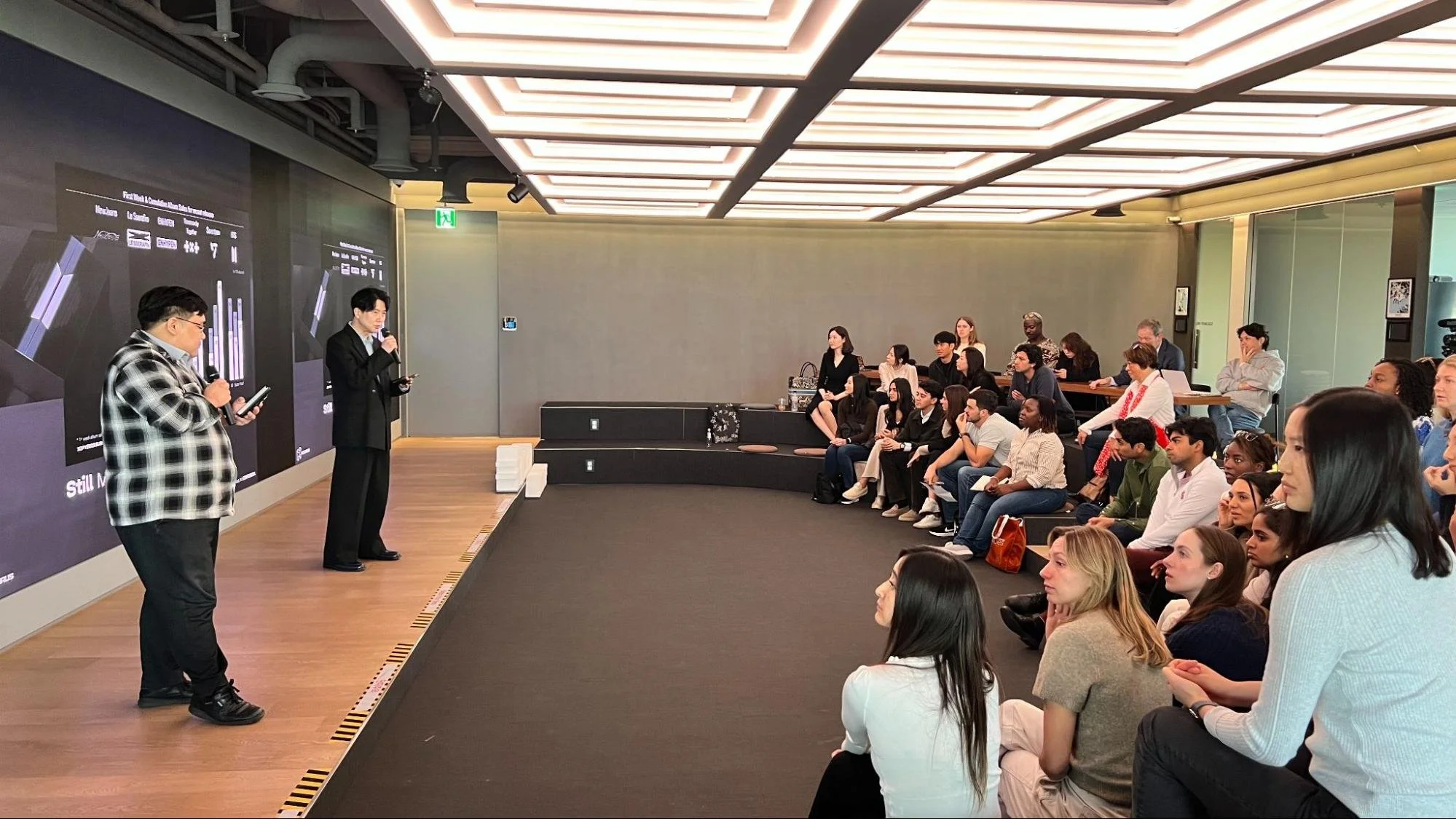
Exploring how education supports innovation and economic development.
The decision often comes down to time, access, and how central this theme is to your overall learning objectives. A structured visit offers depth, but requires coordination. A lighter approach is more flexible, but depends more on how well the experience is facilitated.
Linking Education to Innovation
What matters most is helping students connect what they see in education to the broader innovation landscape. For example, if students have already explored how technology is used in daily life or how companies operate, this section becomes the missing link. It shows where the skills, mindset, and discipline behind that innovation are developed.
One way to make this more concrete is to frame it around cause and effect. How does a strong emphasis on education influence economic outcomes? What kind of pressure does that create for individuals? Would the same model work in other countries?
Keeping the Experience Balanced
South Korea’s education system is often associated with high achievement, but it also comes with challenges. Academic pressure, competition, and expectations can shape student experiences in ways that are worth acknowledging.

Understanding economic transformation through contrasts between traditional and modern environments.
You do not need to go into detail, but introducing this perspective helps students build a more balanced understanding. It reinforces the idea that systems are complex, and that success often involves trade-offs.
In the final section, we bring these elements together and look at what students can realistically observe and take away during a visit to South Korea.
What Students Actually Take Away From a South Korea Visit
By the time students leave South Korea, the most valuable outcome is not a list of places they have visited. It is whether they can explain, in their own words, how a country builds and sustains a technology-driven economy.
That clarity does not come from one standout activity. It builds gradually, through a combination of small observations, guided discussions, and well-chosen contrasts. A metro system that runs with precision. A retail environment where technology is seamlessly integrated. A conversation with local students about study routines. Each moment adds a layer.
One practical way to approach this is to step back near the end of the trip and ask a simple question. If students had to explain the South Korea economy to someone else, what examples would they use?
It also helps to be selective earlier in the planning process. Not every activity needs to carry equal weight. A smaller number of well-framed experiences, with time to reflect, will almost always outperform a packed schedule.
What to Prioritize When Planning a South Korea Trip
Define a clear focus on innovation and economic development before building the itinerary
Choose experiences that show how technology is used in daily life, not just in specialist settings
Balance structured visits with open observation to encourage independent thinking
Build in time for reflection so students can connect different parts of the experience
Introduce both the benefits and pressures behind rapid development to support critical thinking
Planning a South Korea Program That Goes Beyond Surface-Level Exposure
If your goal is to help students understand how innovation shapes a modern economy, South Korea offers a strong and practical case study. The key is not simply where you go, but how the experience is structured.
We work with schools to design South Korea programs that connect economic transformation, technology, and education into a coherent learning journey. That includes identifying the right balance between guided experiences and independent exploration, and ensuring that each part of the trip contributes to a clear learning objective.