
Taiwan’s Role in Global Technology and Semiconductor Manufacturing
Taiwan plays an important role in global technology because its semiconductor industry supports many of the devices, systems, and digital tools used around the world. The Taiwan semiconductor industry gives students a real-world case study in technology, manufacturing, economics, global trade, innovation, and supply-chain resilience.
For schools, Taiwan is not only a place to study technology in theory. It gives students a practical way to understand how science, engineering, business, policy, geography, and global interdependence connect. Through well-planned Taiwan school trips, students can explore how a relatively small economy became central to modern technology, why advanced manufacturing depends on specialized talent and infrastructure, and how local decisions can shape global systems. This makes Taiwan a valuable destination for STEAM learning, business studies, economics, geography, and global issues.
Key Notes
- Taiwan is a major technology economy with a particularly important role in semiconductor manufacturing.
- Semiconductors are essential to smartphones, computers, vehicles, artificial intelligence, medical devices, communications, and modern infrastructure.
- Taiwan’s semiconductor ecosystem includes design, fabrication, testing, packaging, materials, talent, infrastructure, and global partnerships.
- The topic helps students understand global supply chains, specialization, innovation, resilience, risk, and international interdependence.
- A Taiwan student trip can connect STEAM, economics, geography, business studies, global issues, and technology ethics through real-world learning.
Taiwan’s Technology Economy
Taiwan’s technology economy is not only about one company or one product. It reflects decades of education, infrastructure, manufacturing expertise, research, international trade, and long-term investment in innovation. For students, this makes Taiwan a strong case study in how an economy can develop specialized strengths that influence global industries.
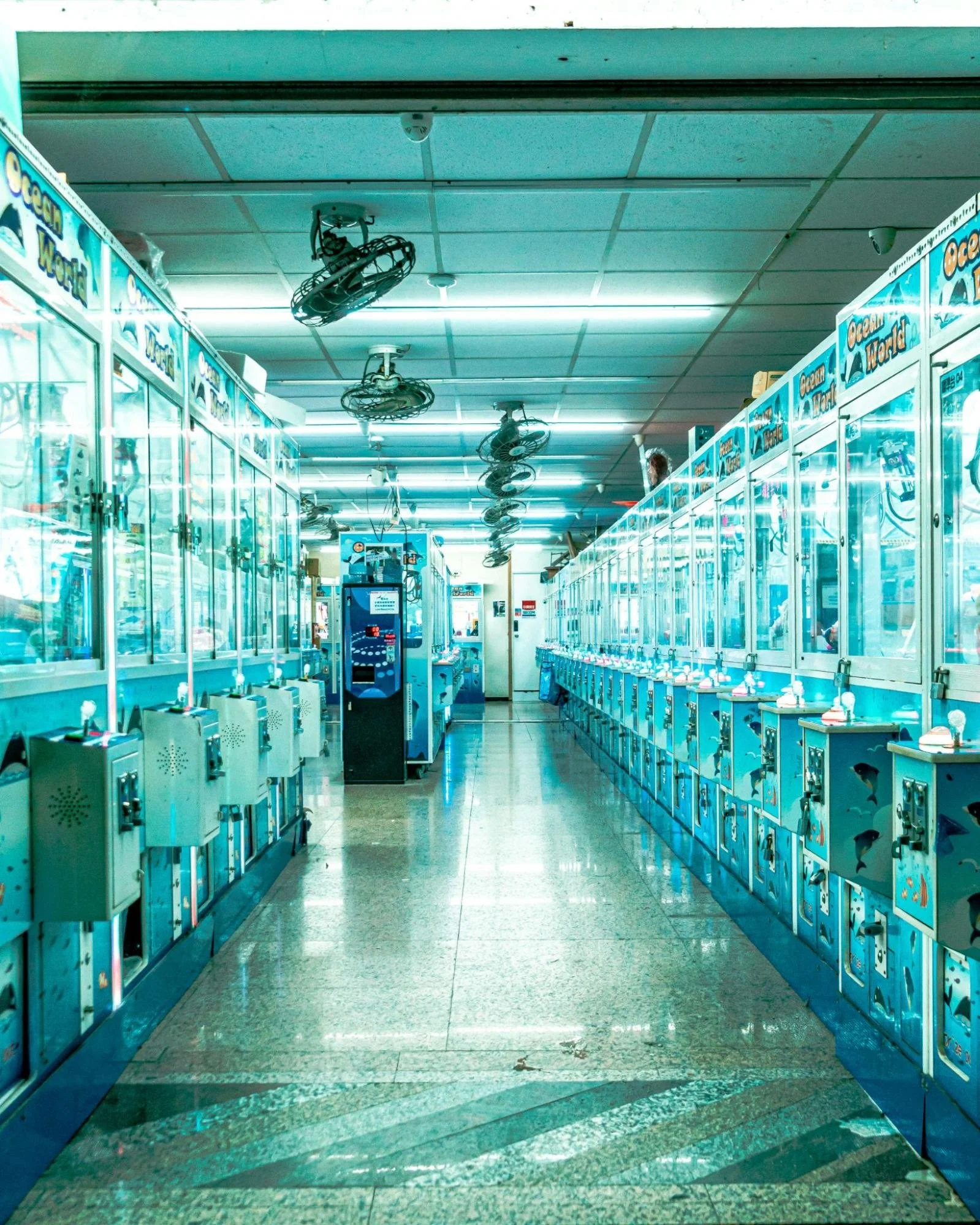
Technology and innovation connect to real-world learning in Taiwan.
How Taiwan Became a Technology Hub
Taiwan’s growth as a technology hub came from a shift beyond basic manufacturing toward higher-value technology, advanced production, and innovation. Science parks, universities, engineering talent, public-private collaboration, and export-led growth all helped shape this development.
Technology as Part of Everyday Economic Life
Technology is visible across Taiwan through transport systems, urban infrastructure, digital services, universities, manufacturing clusters, and global business connections. This gives students useful points of comparison with other Asian technology centers they may have studied, such as Singapore, South Korea, Japan, or mainland China.
On well-planned school trips abroad, students can ask a clear inquiry question: how can a relatively small economy become globally important through specialized knowledge and production?

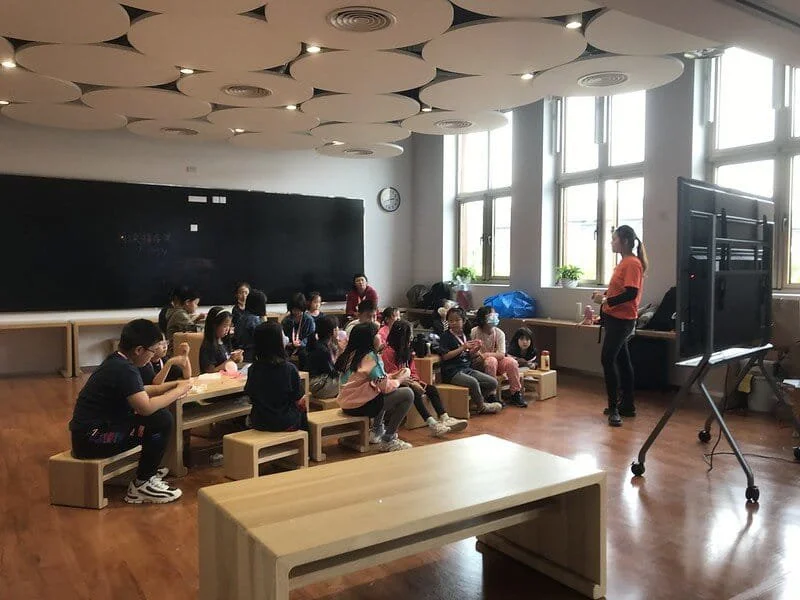
Hands-on STEAM activities help students connect science, engineering, design, and problem-solving.
What Students Can Learn From Taiwan’s Economy
Taiwan helps students explore specialization, innovation, human capital, infrastructure, international trade, economic resilience, and the relationship between local industry and global demand. Rather than studying economic theory in isolation, students can examine how skills, systems, investment, and geography shape real opportunities.
Semiconductor Manufacturing
Semiconductors are small electronic components that help devices process, store, sense, and move information. They matter because they sit behind many technologies students use or study every day. Not every student wants to become an engineer, but it is also useful to understand how a tiny manufactured component can connect to global systems.
The topic is useful for STEAM learning because students can connect science and engineering with daily life, business, infrastructure, healthcare, transport, and environmental systems.
Why Taiwan Is Important in Semiconductor Manufacturing
Taiwan plays an important role in advanced chip manufacturing and foundry services. A foundry is a company that manufactures chips designed by other companies. TSMC is a major example, although Taiwan’s wider ecosystem includes many related businesses, institutions, suppliers, and skilled professionals.
Students can study fabrication, wafers, cleanrooms, precision engineering, and advanced manufacturing through clear, age-appropriate learning rather than excessive technical detail. The external resource on Taiwan and the global semiconductor supply chain can support teacher preparation or student background reading.
What Makes Semiconductor Manufacturing So Complex
Semiconductor manufacturing depends on precision engineering, cleanroom environments, specialized machinery, materials and chemicals, energy and water, skilled engineers and technicians, quality control, and many connected production stages. A STEAM trip to Taiwan can help students study the wider ecosystem through technology-focused visits where available, guided workshops, innovation learning, and supply-chain mapping.
Global Supply Chains
The semiconductor industry is global because no single place usually handles every stage alone. Design, equipment, materials, fabrication, packaging, testing, logistics, and final product assembly often involve different countries and companies. This makes semiconductors a useful topic for students learning about interdependence, specialization, and the systems behind modern life.
Why Semiconductor Supply Chains Are Global
Different economies specialize in different parts of the semiconductor supply chain. Some may focus on design expertise, while others provide materials, precision tools, fabrication capacity, packaging, testing, logistics, or final assembly.
For schools, the value is that students can see global trade as a connected system rather than a simple movement of finished products. The Congressional Research Service overview of Taiwan’s role in global semiconductor supply chains can support wider discussion of how Taiwan fits into this international system.
Useful discussion questions include:
- What happens when one part of a global supply chain is disrupted?
- Should countries produce more technology domestically, or is specialization more efficient?
- How can companies balance efficiency, resilience, cost, and responsibility?
Why Taiwan Is a Fascinating Destination for Student Learning
Taiwan helps students move from industry explanation to real-world educational value. In one place, students can see how technology, economy, culture, geography, and society connect, making it a strong destination for schools exploring STEAM learning, business, global issues, and Asian studies.

Taiwan’s urban environments help students see how technology supports daily life and economic activity.
Connecting STEAM With the Real World
Taiwan allows students to connect science, engineering, design, economics, and sustainability through practical observation and guided inquiry. A STEAM trip to Taiwan may include technology-focused visits where available, innovation workshops, university exposure, robotics, urban infrastructure observation, and structured reflection.
Building Global Awareness Through Technology
Students can study how a local industry affects global technology, from daily devices to international business decisions. The topic connects well with business studies, economics, geography, design technology, computer science, environmental systems, global issues, and career exploration. It helps students see how knowledge, production, infrastructure, and international relationships shape the modern world.

Expert-led learning helps students understand the skills and systems behind Taiwan’s technology economy.
Turning a Technology Topic Into a Student Trip
A strong student program should not be built around lectures alone. It should include preparation, guided observation, hands-on learning, student inquiry, and reflection. Possible outputs include a supply-chain map, technology ethics reflection, case study presentation, innovation pitch, field journal, systems diagram, comparative economy report, or STEAM project prototype. Planning safe school trips abroad also means matching learning ambition with responsible supervision.
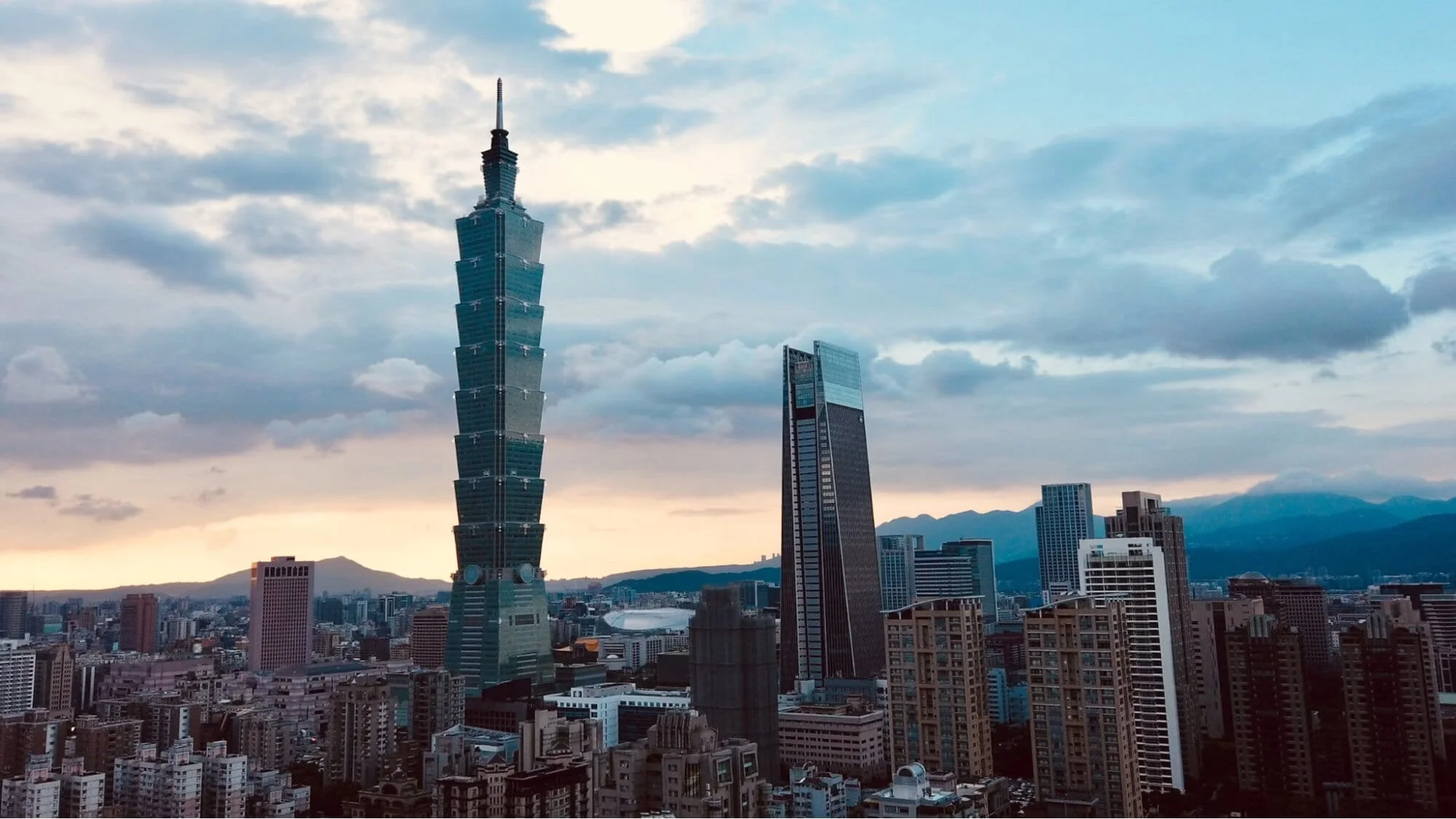
Taiwan’s technology sector connects to global supply chains, trade, and international interdependence.
Planning a Taiwan Technology Learning Program
Schools should consider age group, curriculum links, learning goals, site suitability, safety and supervision, local experts, reflection tasks, and student outputs. Beyond Classrooms designs each custom educational travel experience around the school’s subject focus, age group, learning outcomes, and safety needs.