
Turning Destinations Into Classrooms
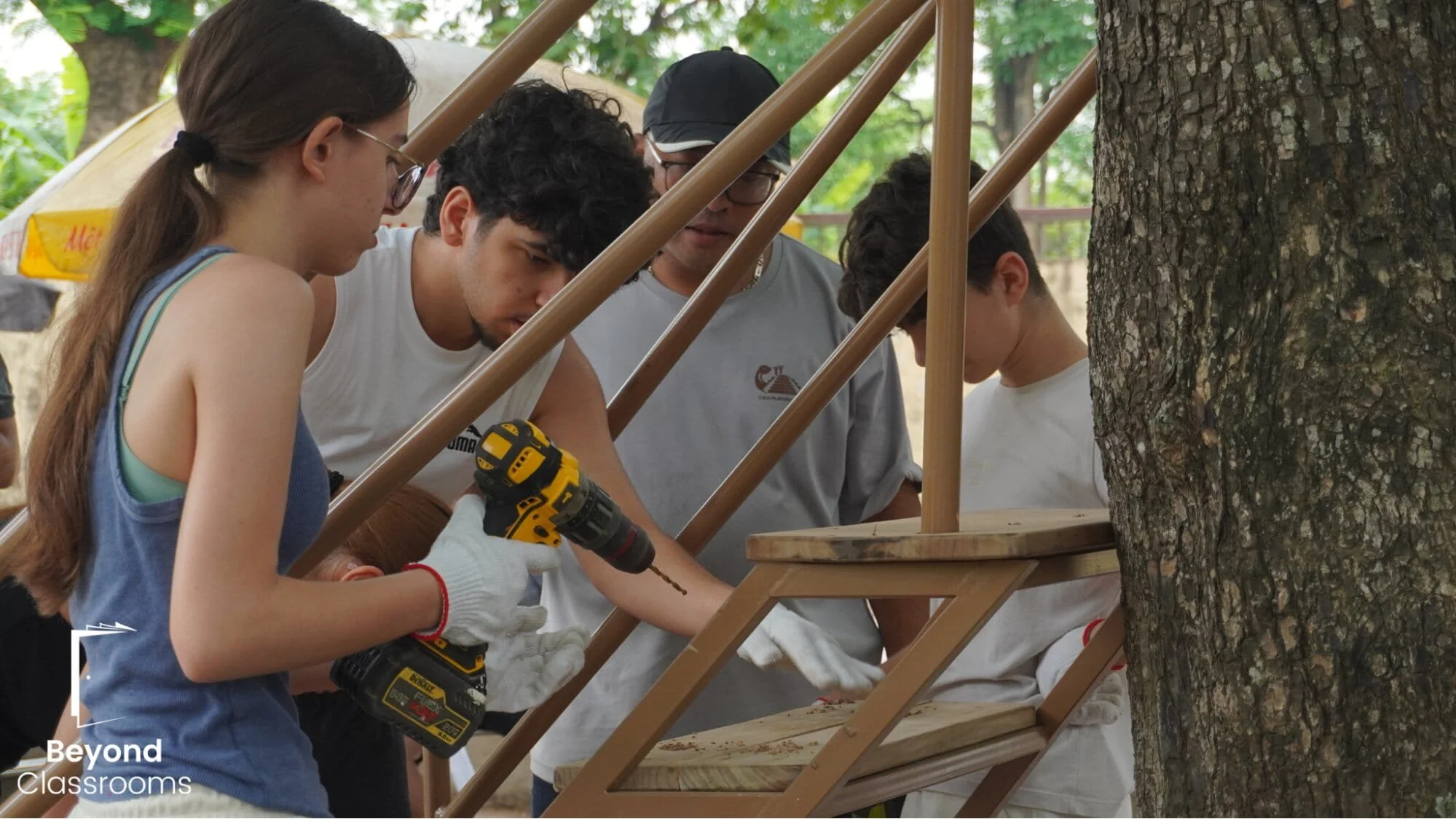
June has a way of opening things up. The school year slows down, and students step into places where they had real work to do: earning the trust of rescued animals in a horse sanctuary on Jeju Island, building a playground in a village outside Hanoi that children will gather for countless days, understanding South Korea's economic transformation, and preparing for a summer program bringing Harvard faculty to Hanoi.
Read on to see what we have been building.
Mare Forest Horse Sanctuary: Where Every Small Action Matters
Conservation isn't a concept. It's a daily practice made up of small, consistent choices.
Taiwan’s technology economy is not only about one company or one product. It reflects decades of education, infrastructure, manufacturing expertise, research, international trade, and long-term investment in innovation. For students, this makes Taiwan a strong case study in how an economy can develop specialized strengths that influence global industries.
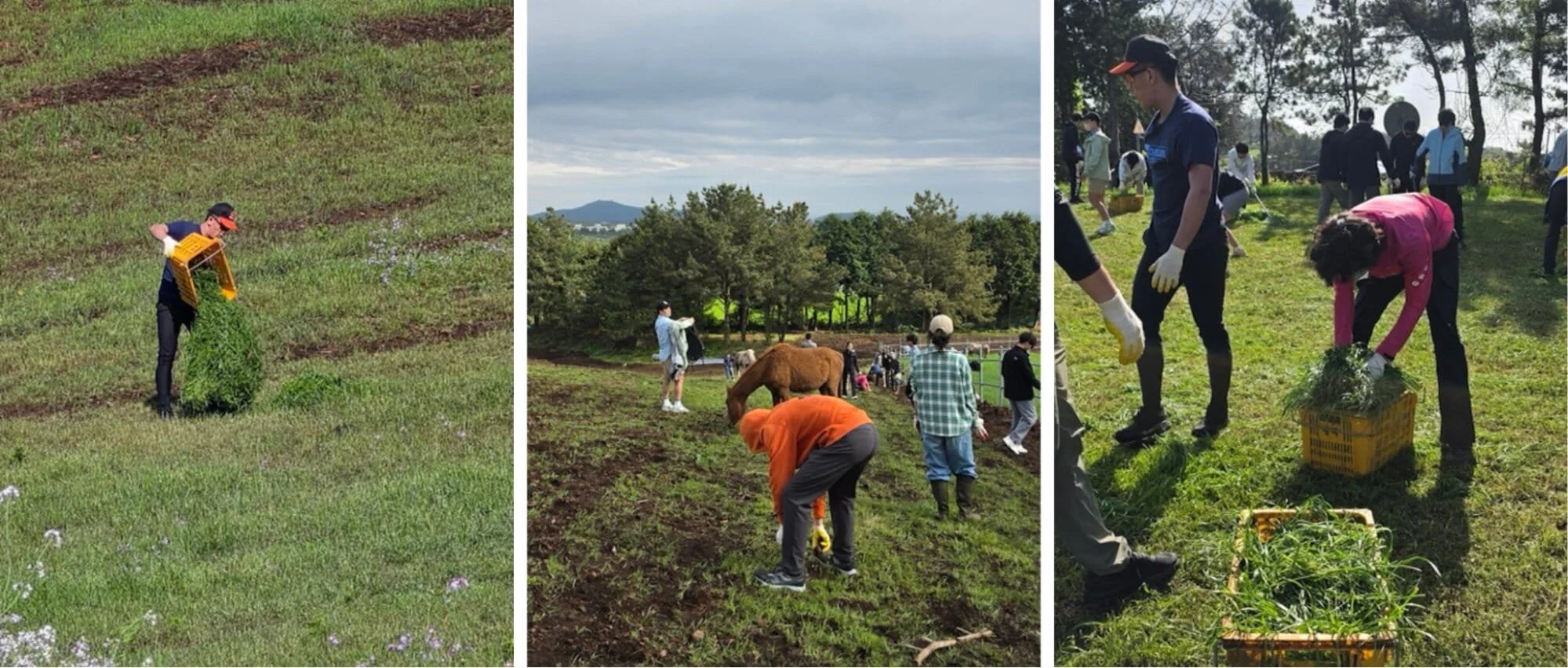
At Mare Forest Horse Sanctuary in Jeju, there are no lectures on conservation. There are just horses rescued from abandonment and students who show up every day to feed, groom, and care for them. Earning their trust takes time and patience, and through that daily work, students begin to understand that caring for a living being changes how they think about responsibility.
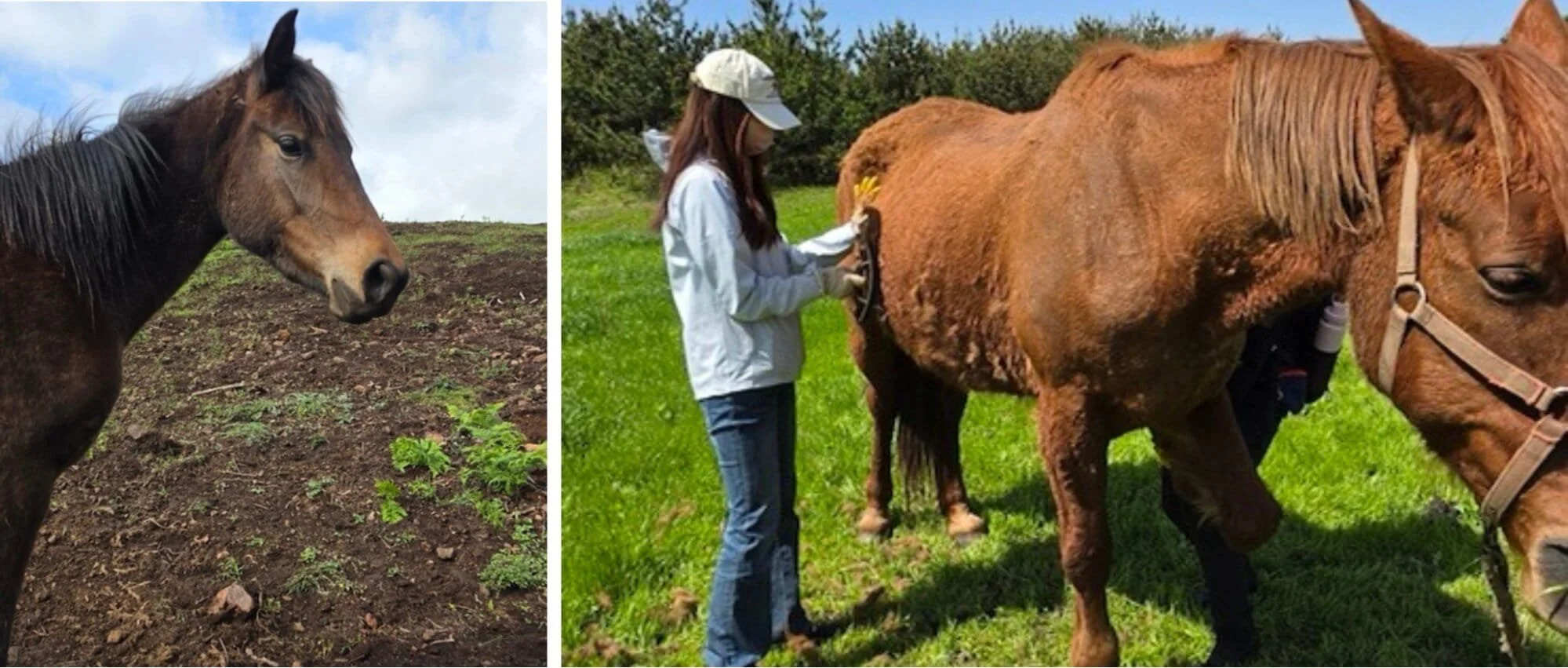
What makes Mare Forest remarkable is the story behind it. Built through grassroots activism and community fundraising, the sanctuary has expanded its land one rescued animal at a time, protecting non-development zones on Jeju Island. Students who spend time here don't just learn about animal welfare. They see what it looks like when ordinary people decide that protection isn't a policy but a practice, and they leave carrying that same sense of possibility.
South Korea's Technology Economy: A Living Case Study in Innovation
While Mare Forest teaches environmental responsibility through animal care, our latest blog explores another dimension of Korean leadership: how the country built a global technology economy.
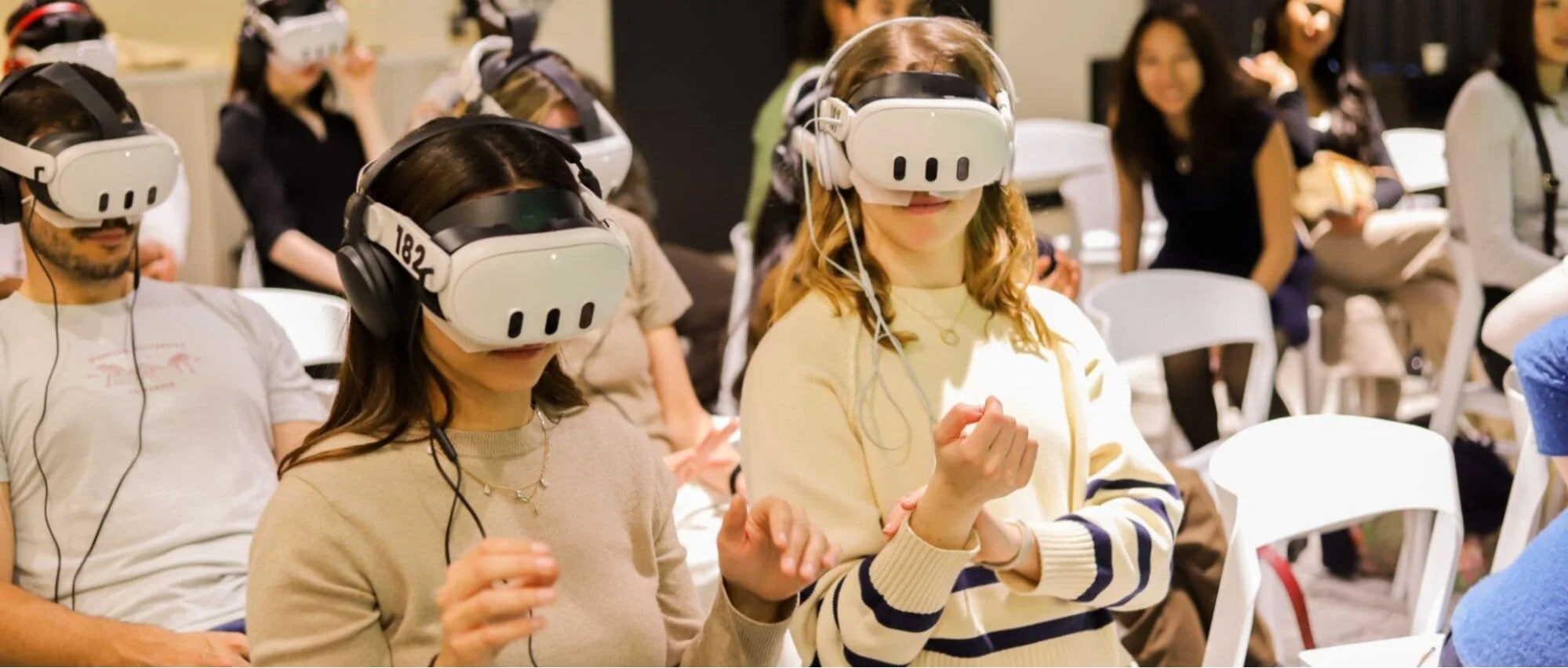
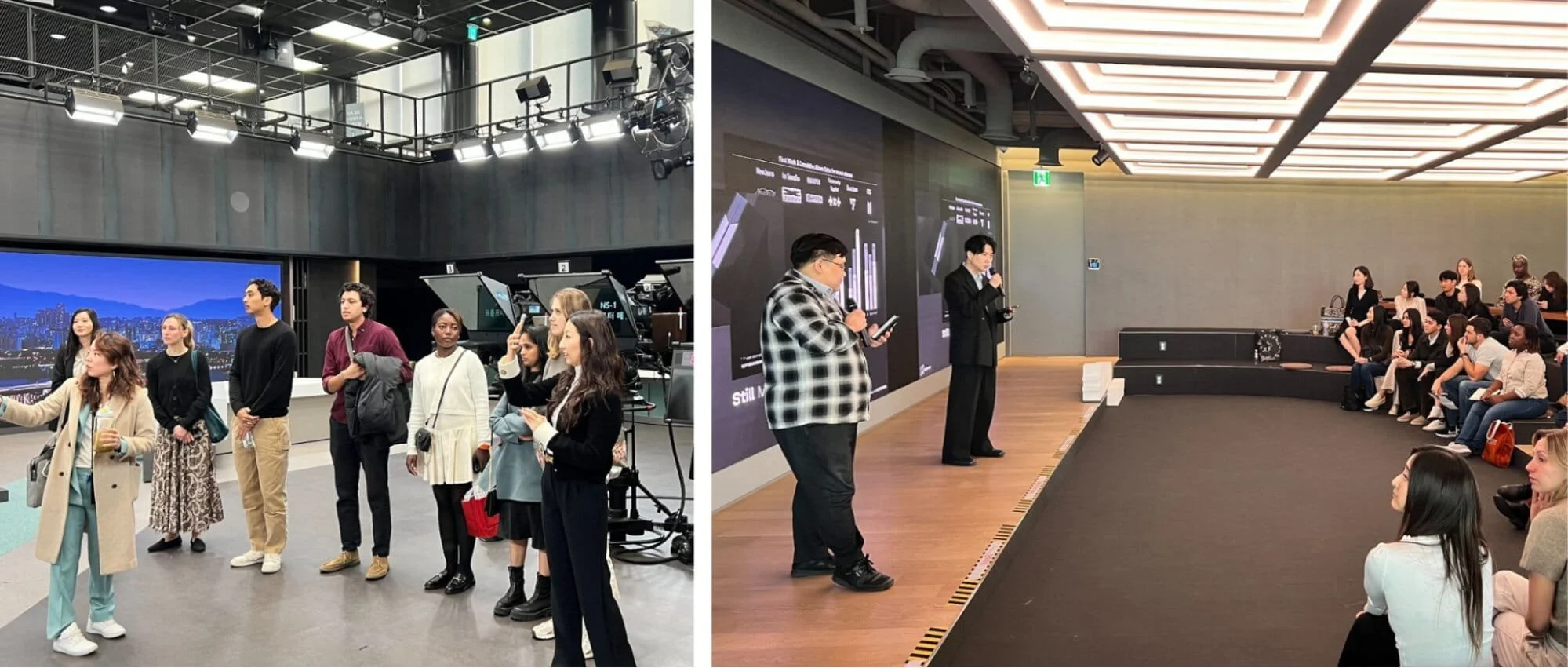
South Korea transformed from post-war poverty to a global technology leader in just a few decades, and for students, that transformation is visible everywhere: in Seoul's metro system, in retail spaces where technology is seamless, in conversations with local students that reveal the discipline behind the country's success.
Vietnam: Where Cultural Immersion and Community Impact Meet
Students make pottery with local artisans, build playgrounds with communities, and document it all through their own eyes.
At Beyond Classrooms, we believe the best learning experiences balance two things: helping students understand a place deeply and giving them the chance to contribute to it meaningfully. Their time in Hanoi with our Creating Spaces, Creating Smiles program did both.
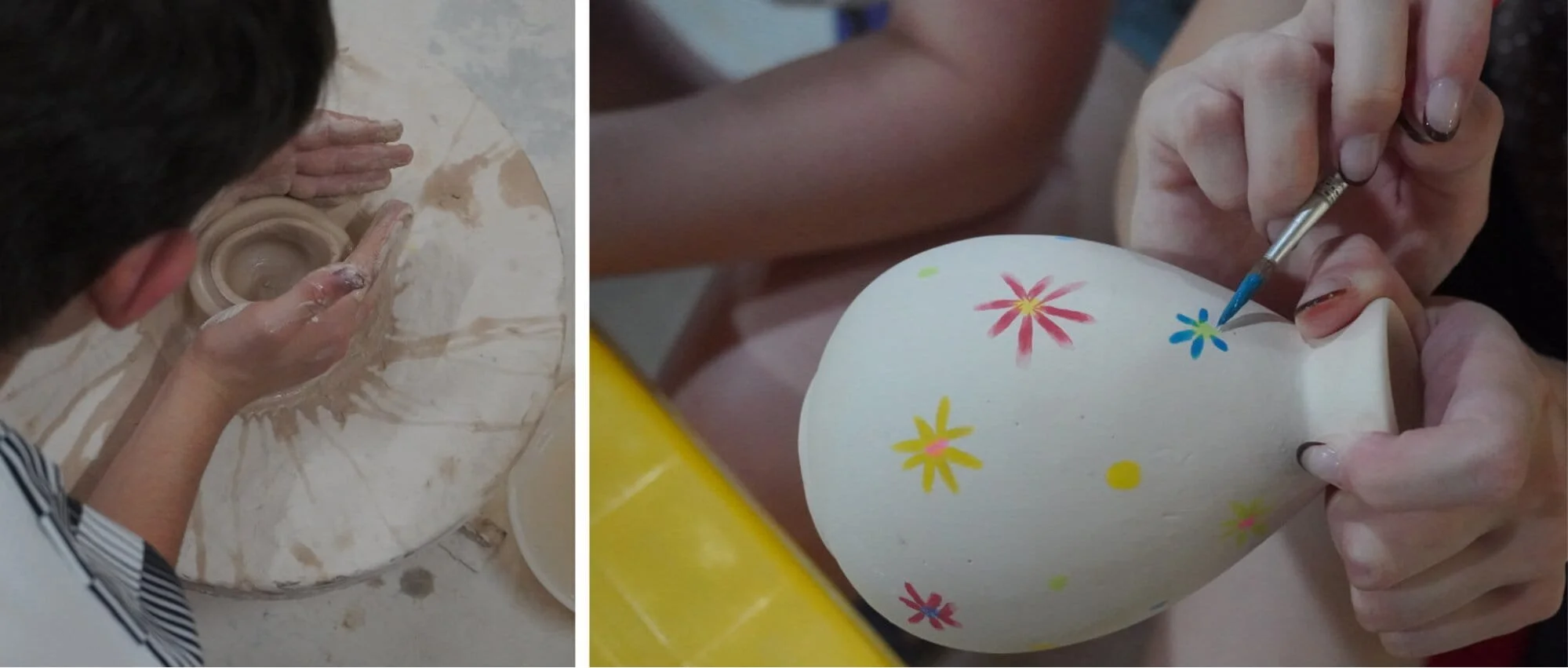
It started at Bat Trang Ceramic Village, where students worked alongside local artisans, shaping clay by hand and painting their own creations. They discovered that craftsmanship is more than a skill. It's a way of preserving culture and keeping traditions alive.
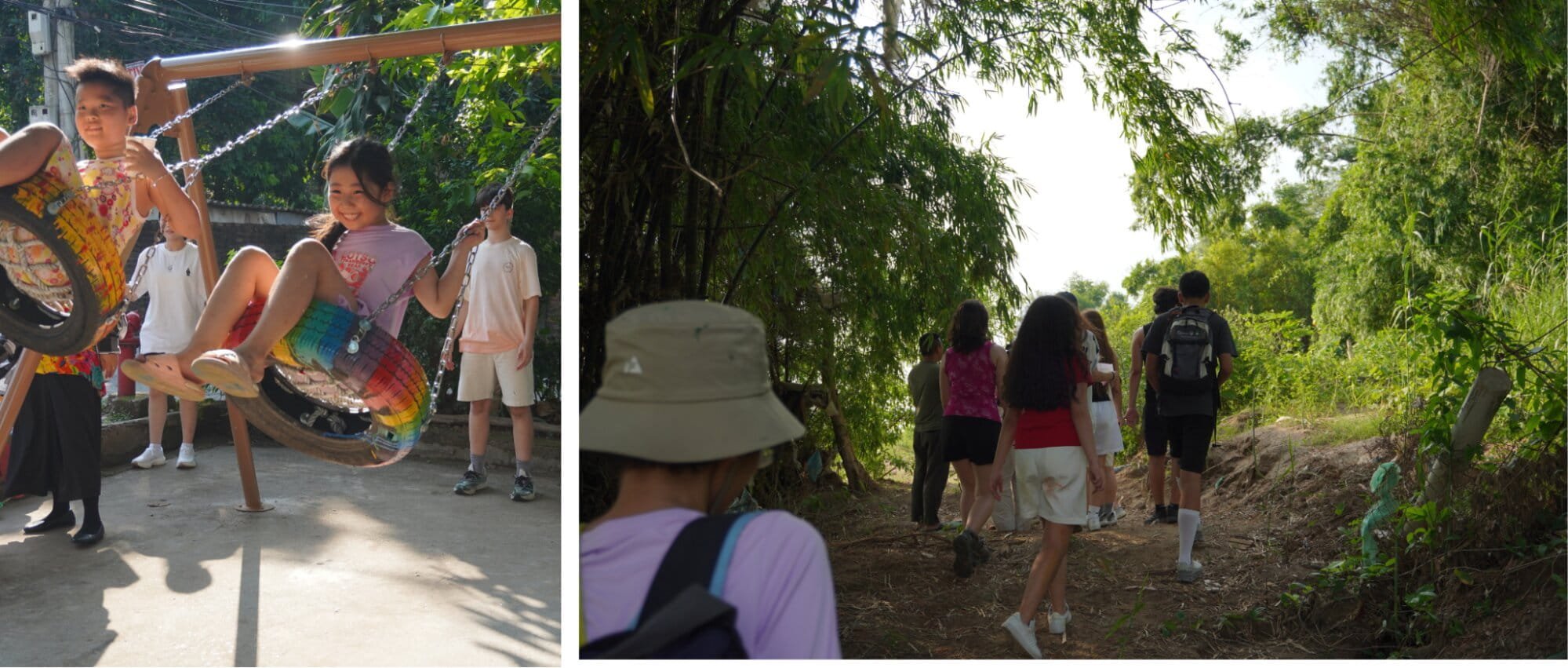
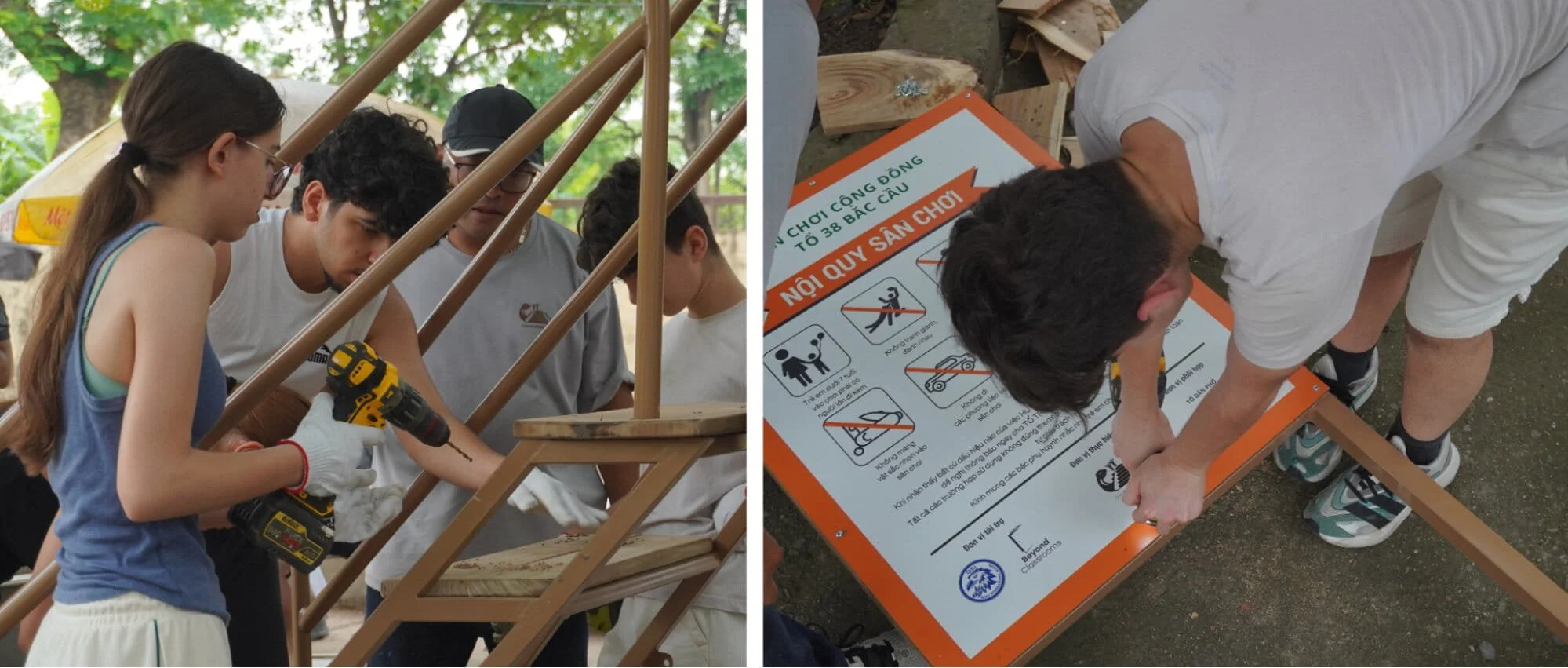
Then came Bac Cau village, where students spent two days building a children's playground. By Day Two, what had started as an empty lot was filled with color, laughter, and children who ran out to play the moment it was finished. What students built became part of the village's everyday life, a safe gathering place that will hold childhood memories for years to come.
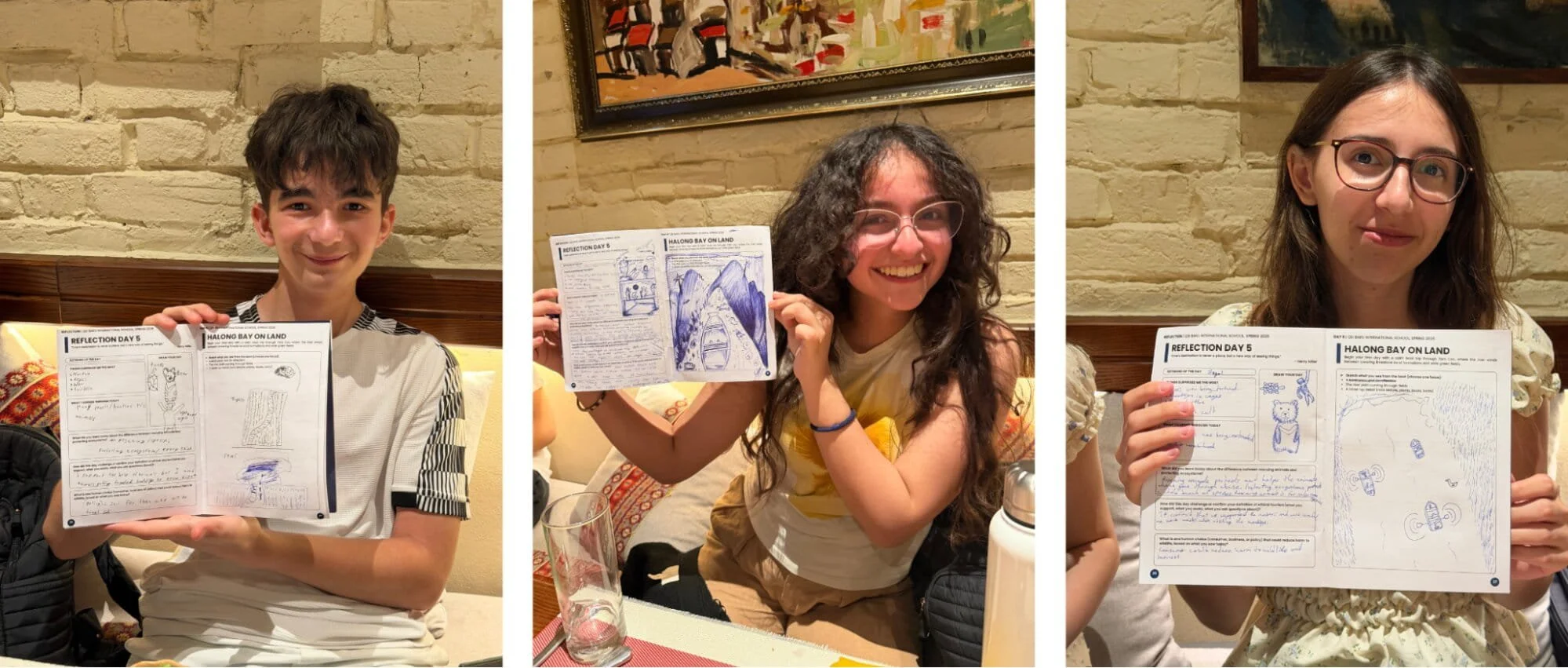
Each evening, students reflected in a custom workbook designed for this journey: sketches from Bat Trang, notes from the playground, conversations with villagers. By the end, those pages had become a record of how they had grown, carried home as a keepsake they will look back on for years.
Harvard Faculty Labs in Hanoi: Empower Young Changemakers Through Innovation and AI
Haven't booked summer school yet? Good. We just saved you a flight to Boston.
This August, Harvard faculty are coming to True North International School in Hanoi with two programs designed to give middle and high school students the tools, mindset, and confidence to tackle the challenges ahead.
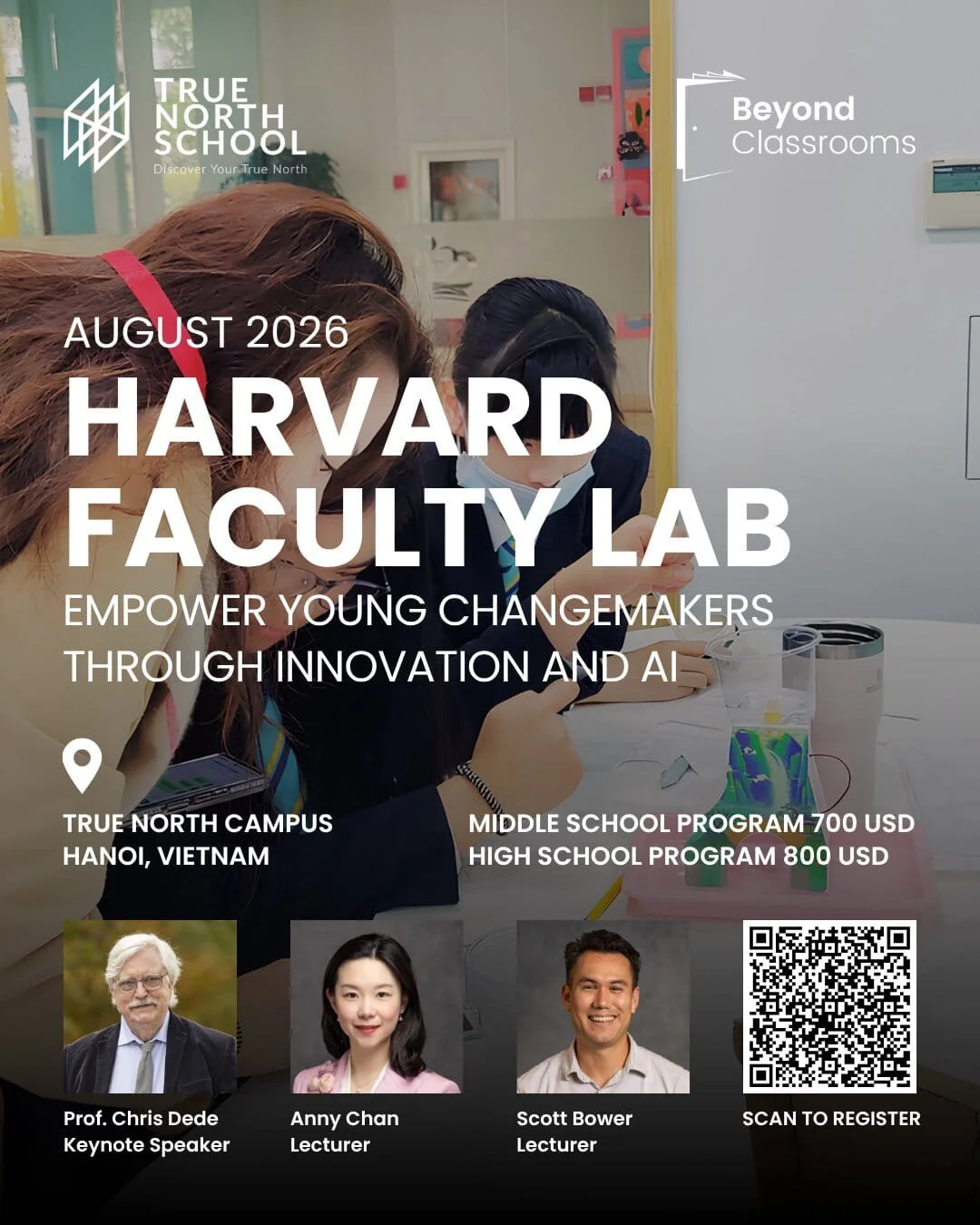
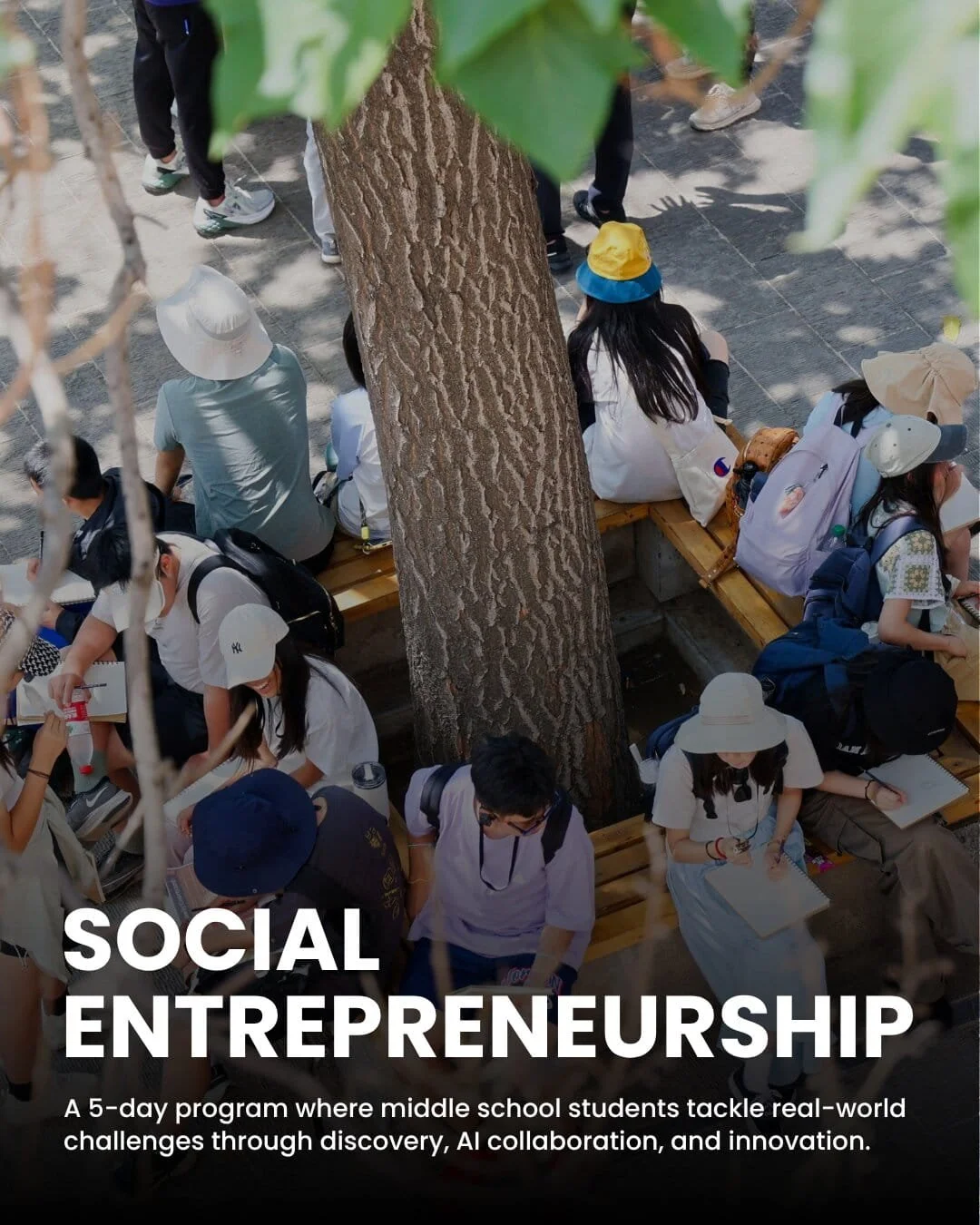
The Harvard Faculty Social Entrepreneurship Lab (August 3–7) is designed for middle school students who want to solve real-world problems the way innovators do. Over five days, students identify community challenges, use AI as a creative tool, and build solutions they'll pitch with confidence. Hands-on, action-oriented, and built around one simple truth: solving real problems starts with understanding real people.
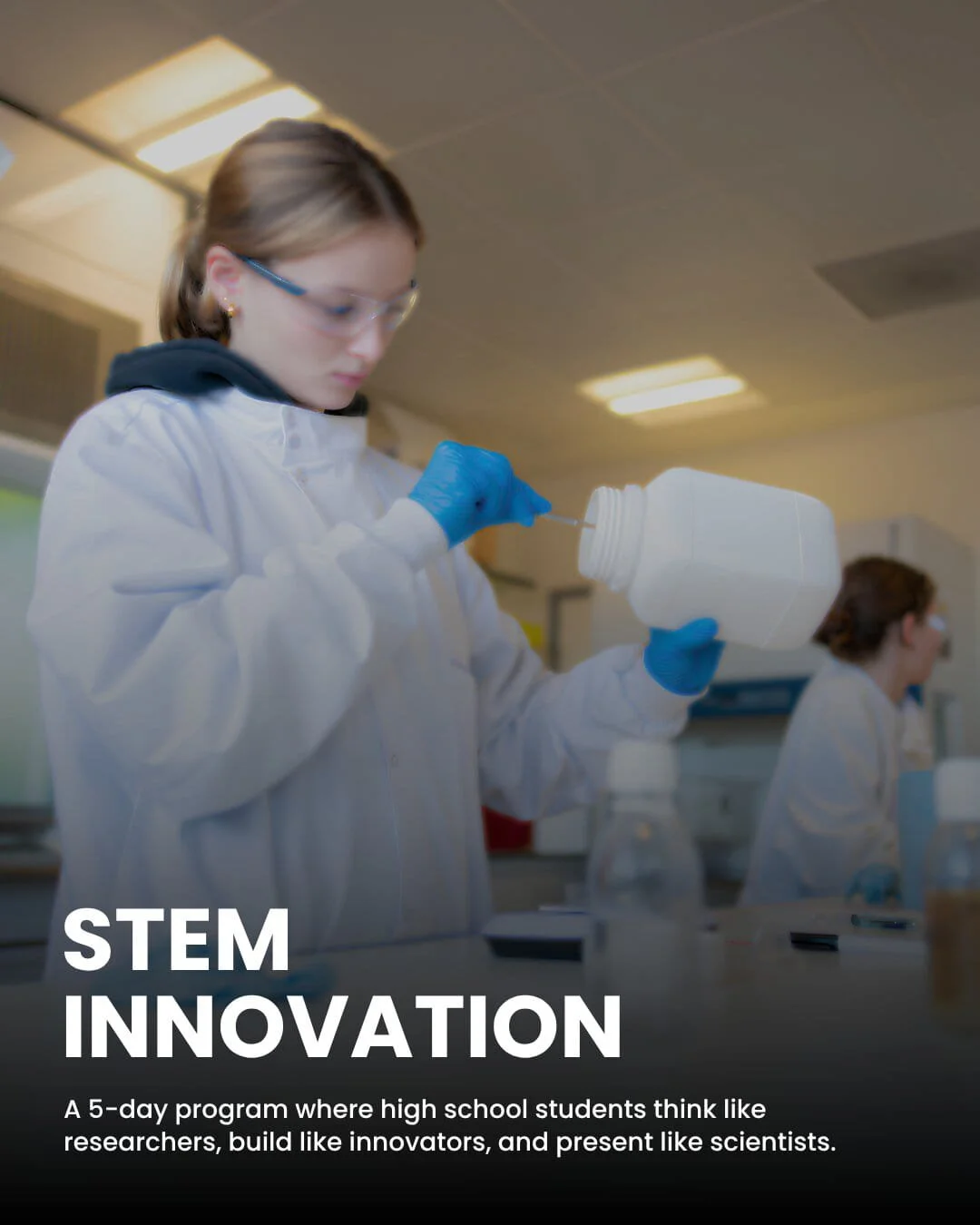
The Harvard Faculty STEM Innovation Lab (August 10–14) is for high school students ready to think like researchers. Students develop research questions, build prototypes, and present innovations across fields like AI in healthcare, renewable energy, and space exploration, walking away with a working prototype, a presentation deck, and the mindset to see challenges as opportunities.
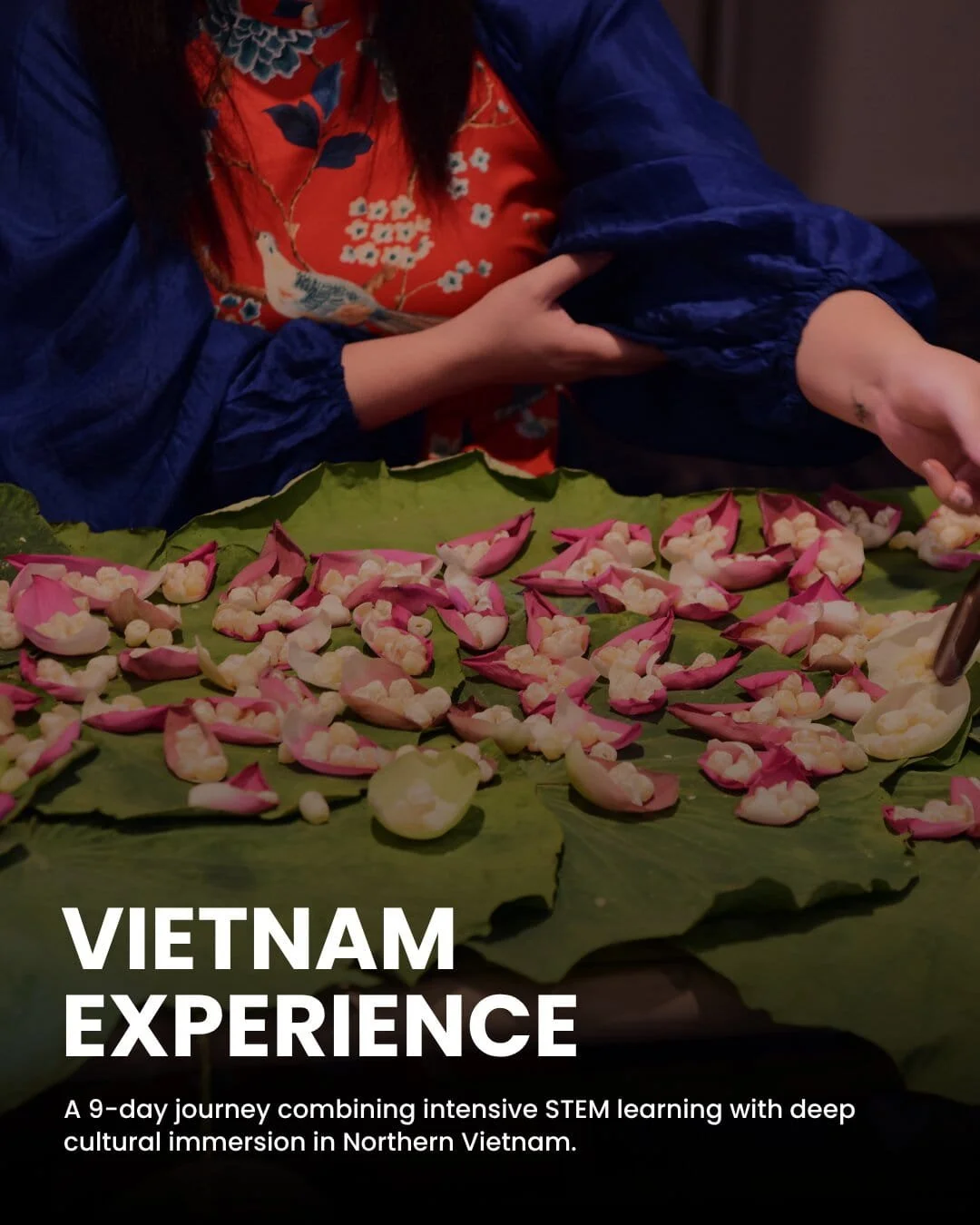
For students who want to go deeper, the Hanoi Cultural Discovery Wraparound combines either program with nine days of cultural immersion, from Vovinam classes and social enterprise visits to home-cooked meals with local families and cycling through Ninh Binh's limestone landscapes.
All programs are led by Anny Chan, a Teaching Fellow at the Harvard Graduate School of Education, and Scott Bower, an educator with two master's degrees, including one from Harvard. Partial and full scholarships are available for students demonstrating strong motivation, leadership potential, and commitment to positive impact. Spots are limited and filling fast.
Every experience we design starts with the same question: what will students carry home that they couldn't have found in a classroom? The answer looks different every time. But it always begins with showing up somewhere real, staying curious, and being willing to be changed by what they find there.
Reach out to our team and let's start designing an experience your students will carry with them long after it ends.