

Using Educational Travel to Strengthen University Applications
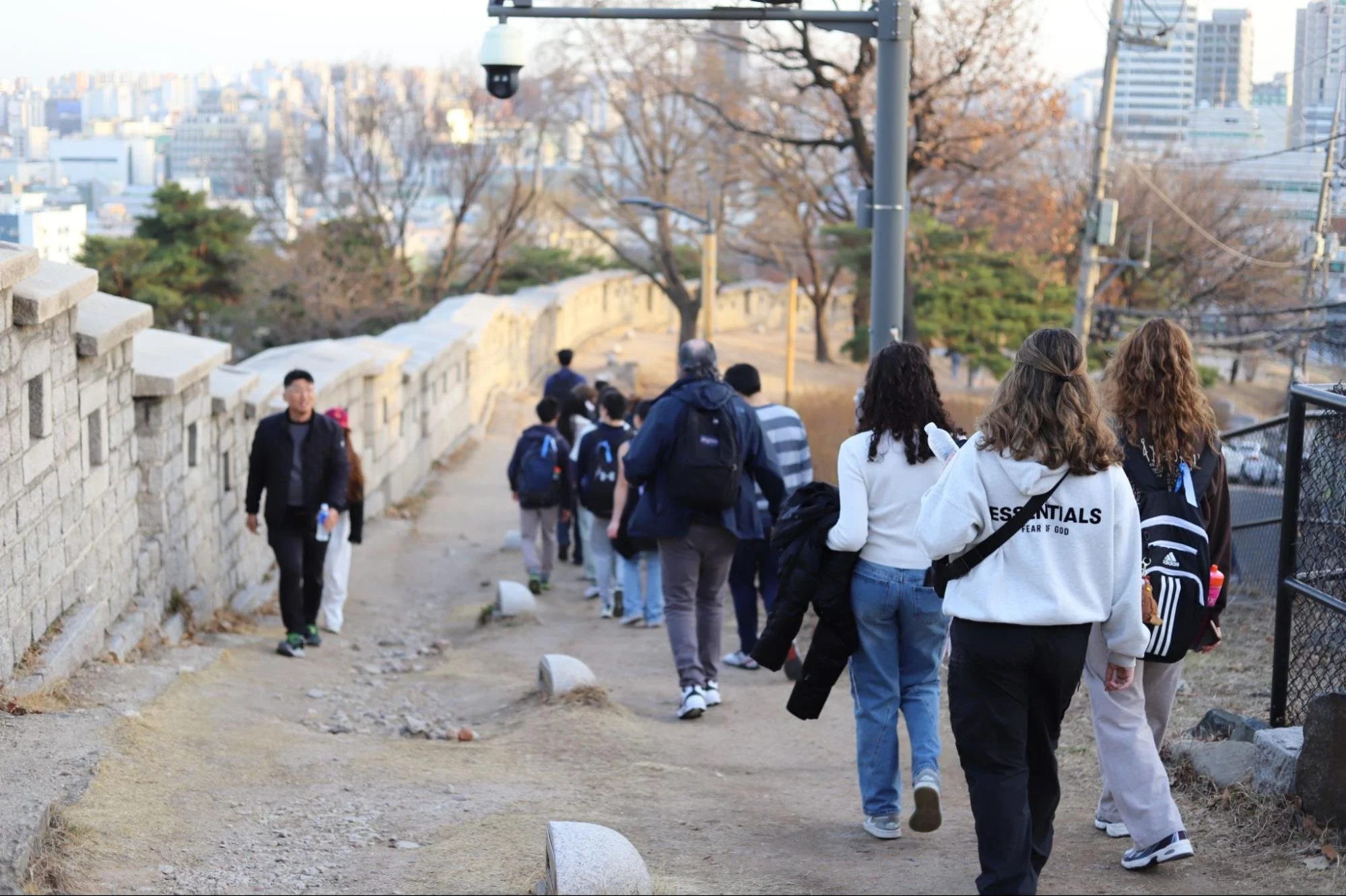
With educational travel, students gain exposure to new cultures, complex global challenges, and perspectives that extend beyond the classroom. Yet when it comes to university applications, the value of these experiences depends less on where a student traveled and more on how they understood and articulated what they learned.
Admissions officers are not evaluating passports. They are assessing intellectual curiosity, initiative, and evidence of sustained engagement. A well-documented educational travel experience can demonstrate all three, but only if students approach it with intention and reflect with clarity.
In this article, we outline how students can capture meaningful evidence during a trip, translate that experience into compelling application essays, and work with teachers to present structured documentation that strengthens their university applications rather than adding a generic travel story.
What Admissions Officers Actually Value
University admissions teams read thousands of applications each cycle. They are skilled at distinguishing between genuine intellectual engagement and surface-level activity. Educational travel can strengthen an application, but only when it reflects depth, agency, and sustained thinking rather than a catalogue of destinations.
Depth Over Tourism
A week abroad does not automatically signal growth. What matters is how a student engaged with the experience and whether that engagement led to meaningful reflection or further inquiry.

Sustained engagement after return signals depth beyond a one-time experience.
University admissions officers tend to look for:
Evidence that a student asked thoughtful questions rather than simply observed
Clear examples of learning that connects to academic interests
Moments of challenge that prompted reconsideration of prior assumptions
Indications that the experience influenced subsequent coursework, projects, or reading
For example, experiential learning, such as visiting a conservation site becomes compelling when a student can explain how field observations reshaped their understanding of environmental policy or inspired a deeper investigation into biodiversity loss. Without that analytical layer, the same visit reads as exposure rather than insight.
Demonstrated Initiative
Selective universities place high value on initiative. They want to see students who pursue ideas independently and take responsibility for their learning.
Educational travel can showcase initiative when students:
Conduct independent interviews or mini research projects during the trip
Seek out conversations with experts, community leaders, or local partners
Extend trip themes into school-based projects after returning
Engage in sustained advocacy or action related to what they observed
Initiative signals maturity. It shows that the student was not passively guided through a program but actively shaping their own learning trajectory.
For students and schools alike, the practical implication is clear. Educational travel should be framed not as a one-time experience but as the starting point of a longer academic conversation. When that continuity is visible, admissions officers can see both curiosity and commitment, which are far more persuasive than a list of destinations.
Capturing Evidence During the Trip
A strong university application is built on evidence. If students want educational travel to strengthen their candidacy, they must document their learning in ways that go beyond photographs and general reflections. Thoughtful evidence capture during the trip makes later essay writing and recommendation letters far more substantive.
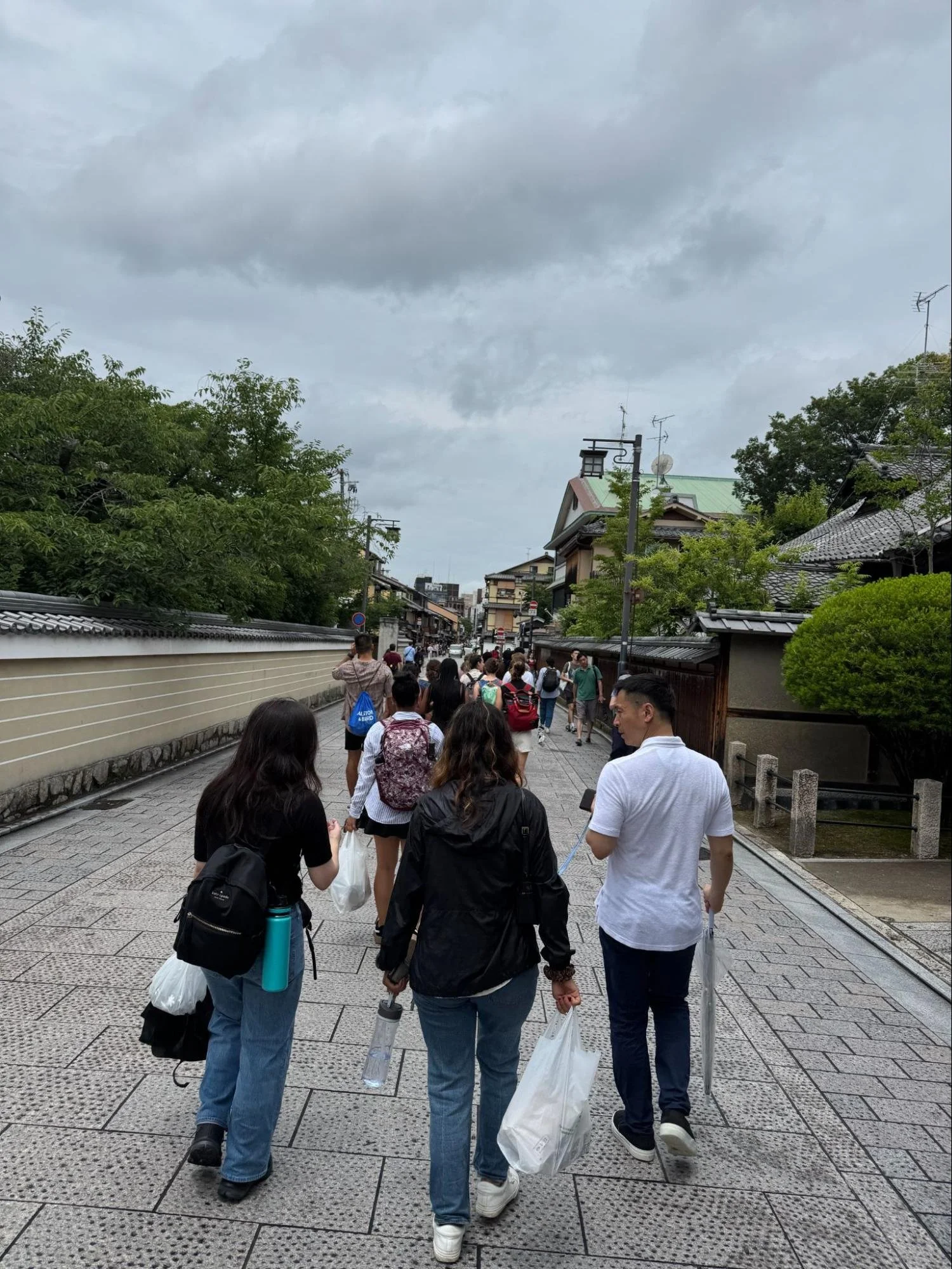
Student conversation with locals during travel demonstrates initiative and academic curiosity.
Research Notes and Interviews
Students should treat educational travel as an opportunity for structured inquiry. Even in programs that are not formally research-focused, there is space to gather primary material.
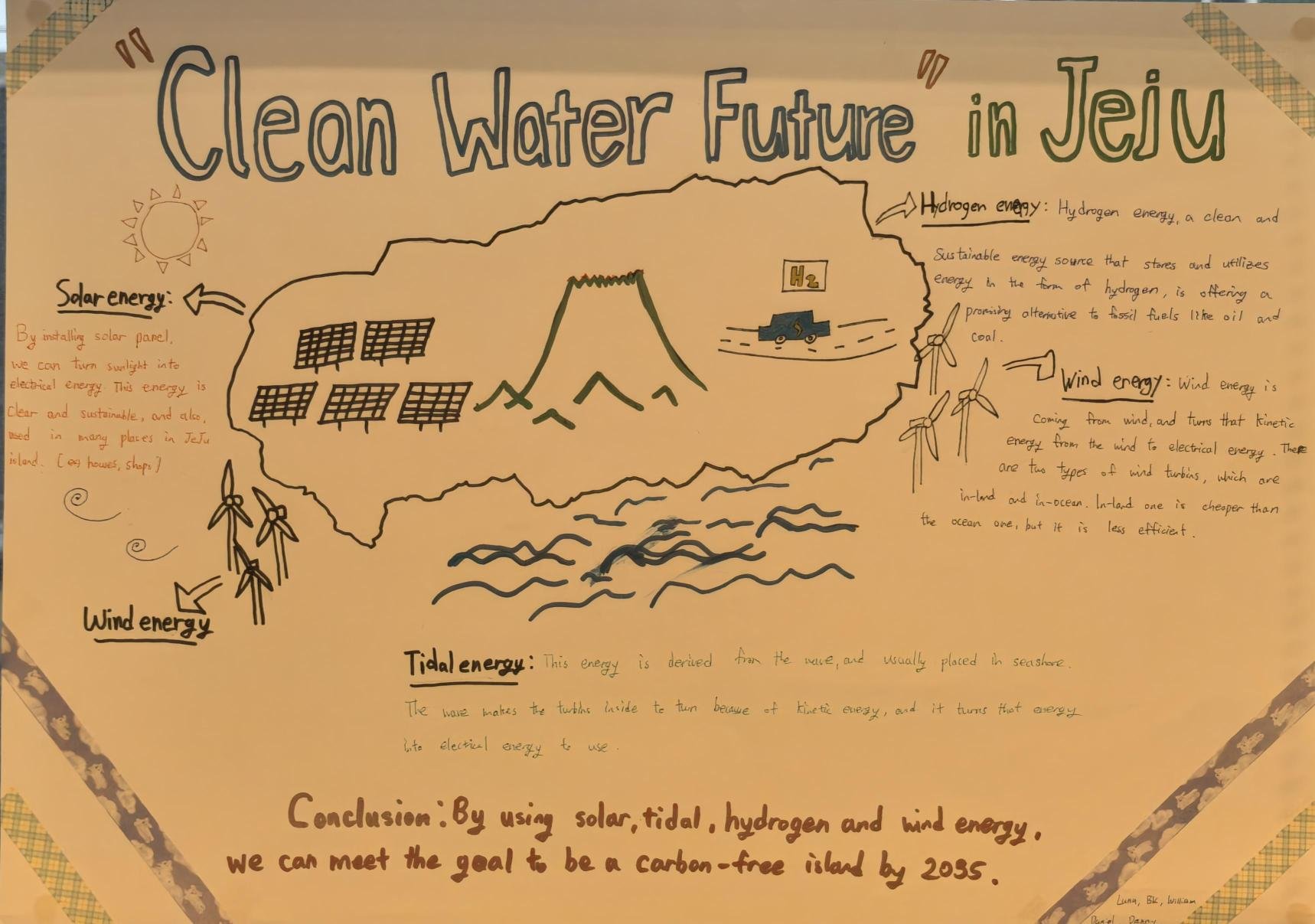
Close-up of detailed field notes showing observations, quotations, and connections to specific academic disciplines.
Practical strategies include:
Keeping organized field notes that record observations, questions, and emerging patterns
Documenting conversations with local experts, community members, or project leaders
Recording data points, quotations, or site-specific examples that relate to academic interests
Writing short analytical reflections at the end of each day rather than relying on memory later
The quality of these notes plays an active role here. Vague summaries such as “We learned a lot about sustainability” offer little value months later. Detailed entries that reference specific practices, policies, or contradictions provide the foundation for nuanced essays and interviews.
Students who are considering majors in areas such as public health, environmental science, economics, or politics can align their notes explicitly with those disciplines. This alignment helps them later demonstrate intellectual direction rather than broad curiosity.
Impact Projects
Evidence becomes even stronger when students move from observation to contribution. Impact projects, even small-scale ones, show initiative and applied thinking.

Impact projects turn reflection into demonstrated initiative and leadership.
These projects do not need to be ambitious. They might involve:
Designing a follow-up presentation or workshop for peers back at school
Proposing a small advocacy campaign linked to a social issue encountered during the trip
Developing a research extension that builds on field observations
Collaborating with teachers to integrate insights into a class project or independent study
The key is continuity. Admissions officers are more persuaded by students who can demonstrate that travel sparked sustained engagement rather than a brief emotional response.
By capturing structured notes and initiating tangible projects, students create a portfolio of evidence that supports authentic, academically grounded narratives in their applications.
Translating Experience Into Application Essays
Once evidence has been captured, the next challenge is articulation. Many strong experiences lose impact at the application stage because they are described in broad or sentimental terms. Universities are not looking for travel diaries. They are looking for insight, intellectual growth, and clarity of direction.

Strong applications translate specific field evidence into clear intellectual growth.
Avoiding Generic Narratives
Generic narratives often follow a predictable pattern. A student describes a powerful moment, states that it changed their perspective, and concludes with a statement about wanting to make a difference. While sincere, this structure rarely distinguishes an applicant.
To avoid this, students should:
Focus on one specific incident rather than summarizing the entire trip
Analyze why that moment mattered intellectually, not only emotionally
Reference concrete evidence such as field notes, interviews, or data
Show how their thinking evolved over time rather than presenting instant transformation
Admissions officers respond to precision. A carefully unpacked interaction with a local entrepreneur or a detailed reflection on a policy contradiction is more compelling than a sweeping statement about global inequality.
Students should also revisit their notes to identify tension or complexity. Essays that acknowledge uncertainty or evolving understanding often demonstrate greater maturity than those that present simple resolutions.
Connecting Experience to Academic Interests
Educational travel strengthens an application most effectively when it aligns with a student’s academic trajectory. This does not mean forcing a connection. It means articulating genuine links between experience and intellectual goals.
Students might explain:
How field exposure clarified the kind of research questions they want to pursue
Why observing a particular system deepened their interest in a specific discipline
How the experience influenced subject choices, extended reading, or independent projects
What unanswered questions they now hope to explore at university
This connection should be forward-looking. Admissions officers want to see momentum. They are asking whether the student is likely to engage deeply with their chosen field once enrolled.
Teacher Recommendations and Supporting Documentation
Strong applications rarely stand on essays alone. Teacher recommendations and supplementary materials can reinforce the credibility of a student’s educational travel experience, provided they are structured and specific rather than anecdotal.
Structured Feedback
Teachers who accompany trips are uniquely positioned to comment on intellectual engagement, initiative, and growth. However, without clear prompts, recommendation letters may default to general praise.
Schools can strengthen this process by:
Providing teachers with reflection summaries or student research notes as reference material
Asking teachers to comment on observable behaviors such as leadership in discussions or quality of questioning
Encouraging specific examples from the field rather than broad statements about character
Linking observed behaviors to academic competencies such as analysis, collaboration, or resilience
When a teacher can reference a moment during a site visit or a seminar discussion and explain why it demonstrated maturity or critical thinking, the recommendation becomes far more persuasive. Admissions officers value concrete illustration over abstract endorsement.
Portfolio Supplements
Some universities allow supplementary materials such as research abstracts, digital portfolios, or project summaries. Educational travel can provide strong content for these submissions if documentation has been captured thoughtfully.
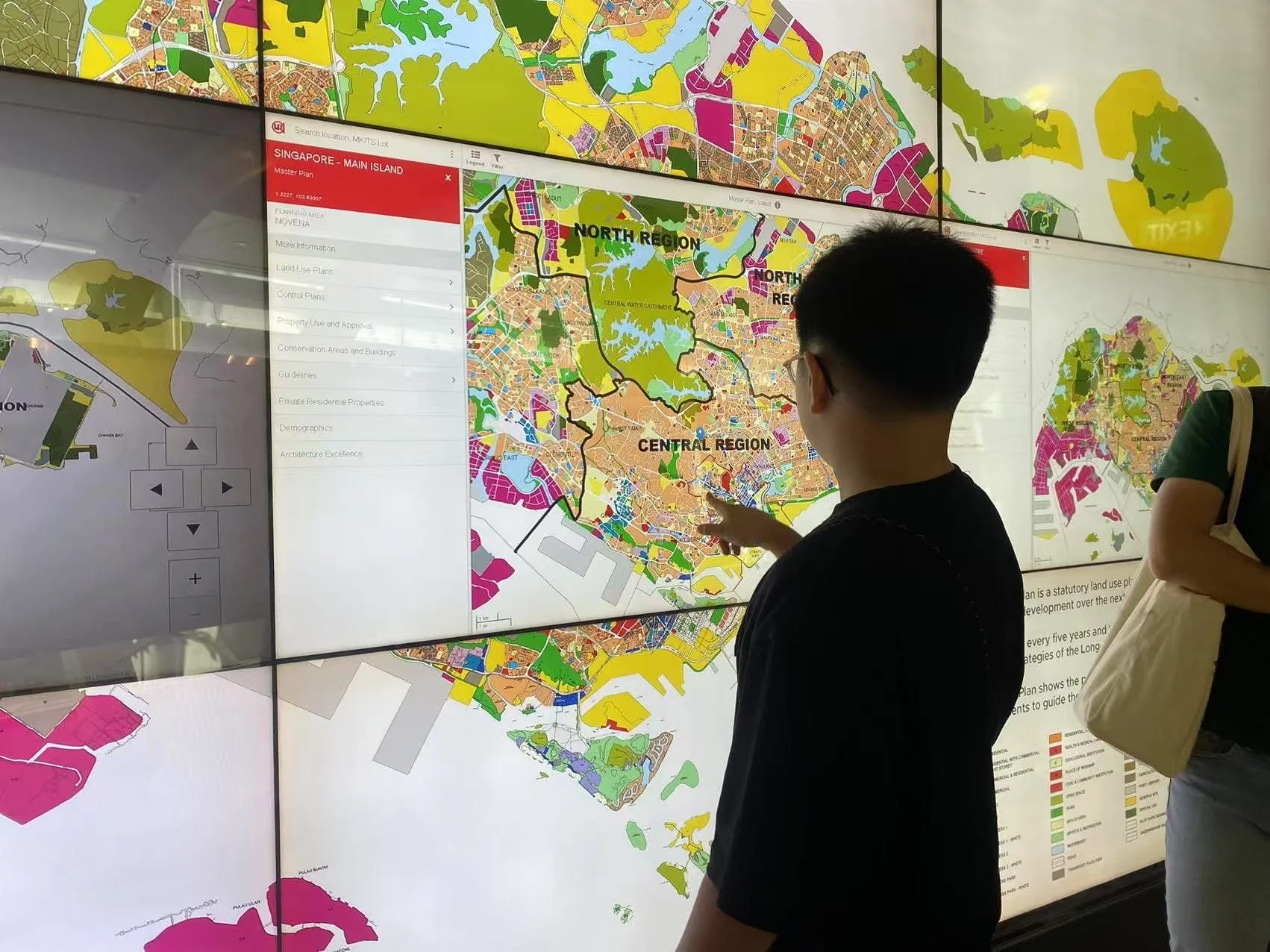
Student during one of our Singapore programs
Students might include:
A short research brief developed from field interviews
A curated digital portfolio with annotated artifacts
A summary of an impact project initiated after return
Evidence of presentations or workshops delivered to peers
These supplements should be concise and curated. Quality is more important than volume. Each piece should reinforce the academic narrative presented in the main application rather than introduce an unrelated thread.
When teacher feedback and supporting documentation align with essay content, the application presents a coherent story of engagement, initiative, and intellectual direction.
From Travel Experience to Academic Differentiation
Educational travel does not automatically strengthen a university application. What makes the difference is structure. Students who approach travel as inquiry, document evidence carefully, and reflect with precision are far better positioned to translate experience into compelling academic narratives.
For students, the practical priorities are clear:
Capture detailed research notes rather than relying on memory
Seek initiative-driven opportunities during the trip
Focus essays on specific analytical moments rather than broad impressions
Align reflection with long-term academic interests
For schools, the responsibility lies in building systems that support this process. Structured reflection prompts, guidance on documentation, and coordinated teacher feedback all contribute to stronger outcomes.
To explore how thoughtfully designed programs at Beyond Classrooms can help students document, reflect, and articulate their learning with academic clarity, visit our website and discover how educational travel can become a strategic advantage in university applications.