
Educational Travel vs Traditional Field Trips: What’s the Difference?
Many schools already run field trips, so a common question we hear is whether international educational travel actually adds meaningful value or simply extends what is already being done locally. The difference is not just distance. It comes down to how learning is structured, the level of student engagement, and the depth of real-world context students are exposed to.
In practice, traditional field trips often focus on observation within familiar systems, while international programs place students in environments where assumptions are challenged and learning becomes more active. For school leaders and trip organizers, this distinction matters when deciding how to allocate time, budget, and curriculum focus.
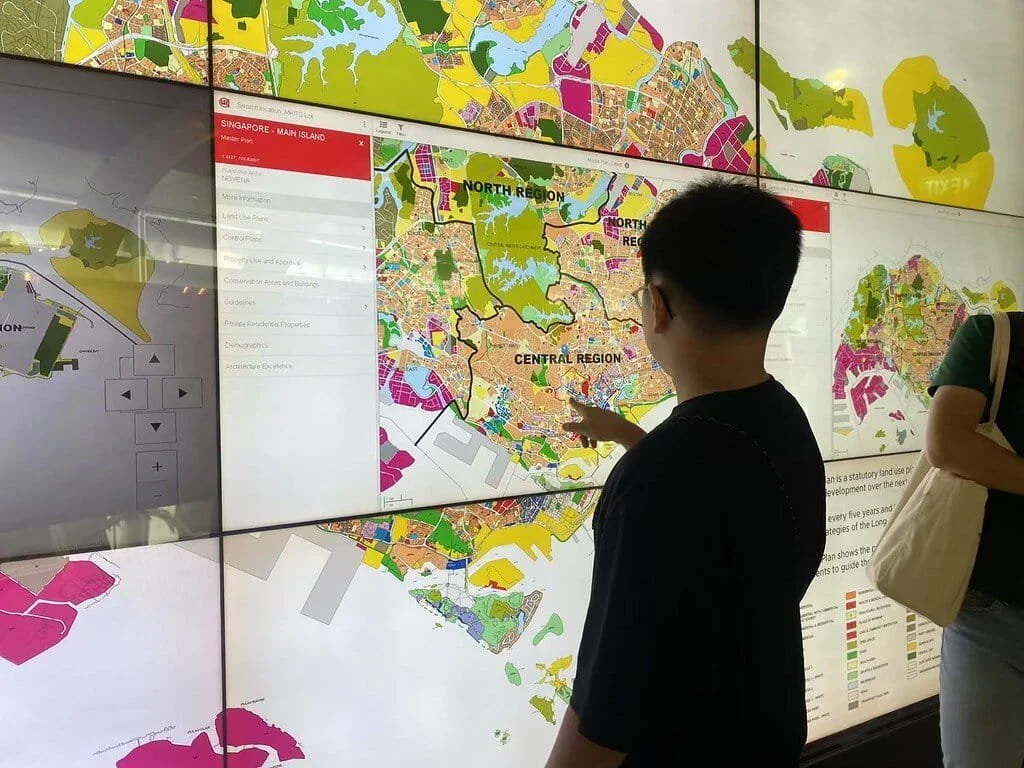
One of our program activities which focuses on observation and guided learning.
In this article, we break down the key differences between classroom field trips and international educational travel, explore the skills students develop through global experiences, and outline how schools can integrate these programs into the curriculum in a way that delivers clear, measurable learning outcomes.
Traditional Field Trips vs Educational Travel
At first glance, both formats aim to take learning beyond the classroom. In practice, they operate very differently, and this difference has direct implications for how schools design experiences, allocate time, and measure outcomes.
Traditional field trips are typically short, location-specific, and closely tied to a single subject area. A class might visit a museum, a science center, or a local organization, then return to school the same day. These trips can be effective for reinforcing content, especially when they are well prepared and followed up with structured discussion. However, they are often limited by familiarity. Students remain within their own cultural and social context, which can restrict the range of perspectives they encounter.

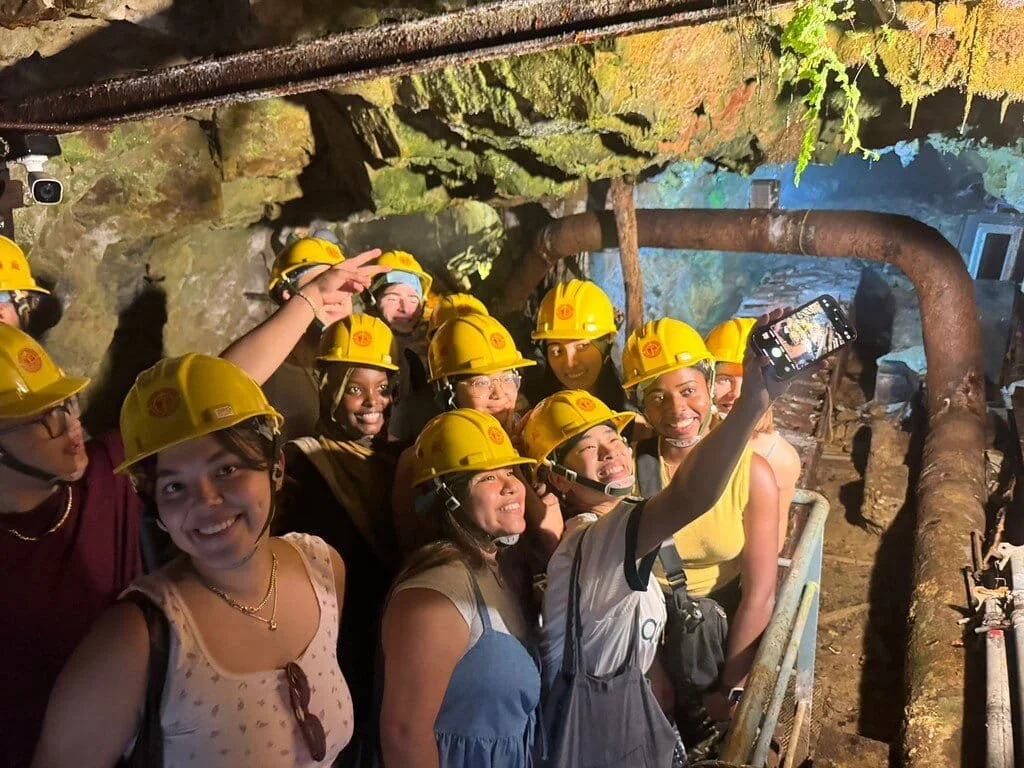
Students engaging with new environments during an international educational travel program.
International educational travel changes that dynamic. Students are placed in unfamiliar environments where everyday systems, behaviors, and assumptions differ from their own. This shift creates conditions where learning becomes more active. Students are not just observing. They are interpreting, adapting, and often questioning what they thought they understood.
From a planning perspective, it helps to think in terms of learning design rather than destination. The key question is not where students go, but what they are required to do and think while they are there.
A simple way to frame the difference between field trips and educational travel is:
Field trips tend to focus on exposure to a specific topic or site
Educational travel focuses on sustained engagement across multiple contexts
Field trips often rely on teacher-led interpretation
Educational travel encourages student-led inquiry and reflection
This does not mean one replaces the other. In fact, many schools use both effectively. Field trips can introduce concepts or provide local context, while international programs extend those ideas into more complex, real-world environments.
For school administrators, the moment of decision is typically linked to results. If the objective is to strengthen current understanding, a thoughtfully planned local excursion might be adequate. If the aim is to foster critical thinking, global consciousness, and self-directed exploration, then an enhanced educational travel experience proves to be a better match.
What Skills Are Developed Through Global Experiences?
We understand that when schools allocate resources for international educational travel, the anticipation is not merely increased exposure but enhanced skill growth. The distinction is found in the way students must think, react, and participate in new environments. These circumstances often enhance specific skills that are more challenging to cultivate in a classroom setting or during a brief local excursion.

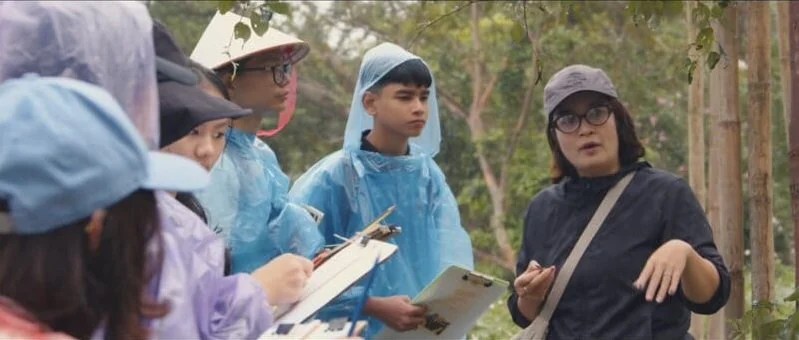
Students actively investigating and interpreting real-world environments.
A significant change is observed in the way students manage uncertainty. In an unfamiliar cultural or social setting, known reference points cease to function as they did before. Students must observe more attentively, pose improved questions, and revise their assumptions. This method enhances critical thinking in a practical and applied manner.
Communication evolves in distinct ways. Students frequently engage with one another despite language obstacles or cultural differences that demand heightened sensitivity to tone, body language, and context. This isn't related to fluency. It involves acquiring skills for effective communication when clarity is not assured.

Structured reflection helping students connect experience to learning.
From a program design perspective, these skills do not develop automatically. They need to be built into the structure of the experience. We typically advise schools to create situations where students are required to interpret, decide, and reflect rather than simply follow a schedule.
For example, instead of a fully guided visit, students might be asked to:
Conduct short interviews with local stakeholders and summarize key insights
Compare two contrasting environments and present their findings
Identify a problem observed on the ground and propose a realistic response
Reflect on a moment where their expectations did not match reality and explain why
These tasks create friction in a productive way. Students are pushed to think more deeply because there is no single correct answer.
Another important area is independence. Being outside a familiar environment often increases student accountability. Simple decisions such as managing time, navigating spaces, or contributing to group discussions take on more significance. Over the course of a program, this builds confidence and a stronger sense of ownership over learning.
For school leaders, the key takeaway is that global experiences should be designed with skill development in mind from the outset. It is not enough to assume that exposure will lead to growth. The structure of the program needs to create opportunities where these skills are actively practiced and reinforced.
Examples of Experiential Learning
The value of educational travel becomes much clearer when it is translated into specific learning activities rather than broad intentions. Schools often ask what experiential learning actually looks like in practice, especially outside a traditional classroom structure. The answer is usually found in how students are required to engage with real environments, not just where they go.
A well-designed program will move beyond guided tours and instead create situations where students need to observe, interpret, and respond. These moments do not need to be complex. What matters is that students are actively involved in making sense of what they encounter.
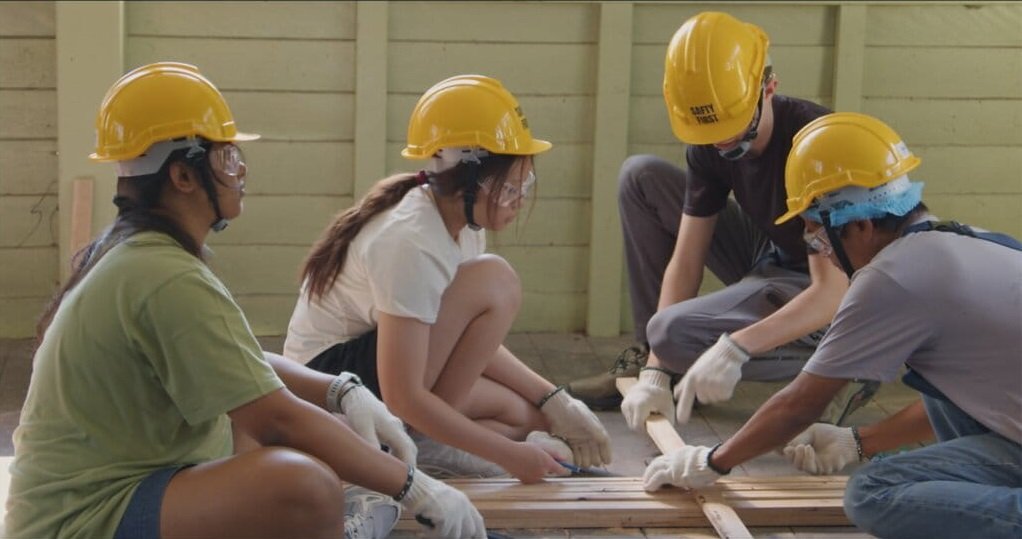
Experiencing different environments to the classroom deepens understanding and critical thinking.
For example, during a visit to a local market or business district, students might be asked to analyze how space is used, how transactions take place, and how cultural norms influence behavior. Rather than being told what to notice, they are given a framework and expected to draw their own conclusions.
In another setting, such as a community organization or environmental project, students could take on a more investigative role. They might speak with staff, identify challenges the entity is facing, and reflect on how those challenges connect to broader academic themes. This creates a clear link between theory and practice.
Some programs also incorporate short, structured tasks that build towards a final output. These might include:
A group presentation comparing two contrasting locations visited during the trip
A short research brief based on interviews and field observations
A reflection piece that connects one experience to a subject area such as economics, geography, or social studies
These outputs give purpose to each activity. Students are not just participating in experiences. They are collecting evidence, forming arguments, and preparing to communicate their understanding.
It is also important to consider how these experiences are sequenced. A single activity can be effective, but a series of connected experiences tends to produce deeper learning. For instance, observing a system in one location, then encountering a different version of that system elsewhere, encourages comparison and more nuanced thinking.
For trip organizers, the key decision is how much structure to provide. Too little guidance can lead to surface-level engagement, while too much can limit independent thinking. The most effective balance is to set clear expectations and questions, then allow students enough space to explore and interpret.
How Schools Integrate Travel Into Curriculum
We understand that the impact of educational travel depends on how well it is integrated into the wider curriculum. When trips sit outside academic planning, they often become memorable but disconnected experiences. When they are embedded intentionally, they extend classroom learning in a way that is difficult to replicate through traditional methods.
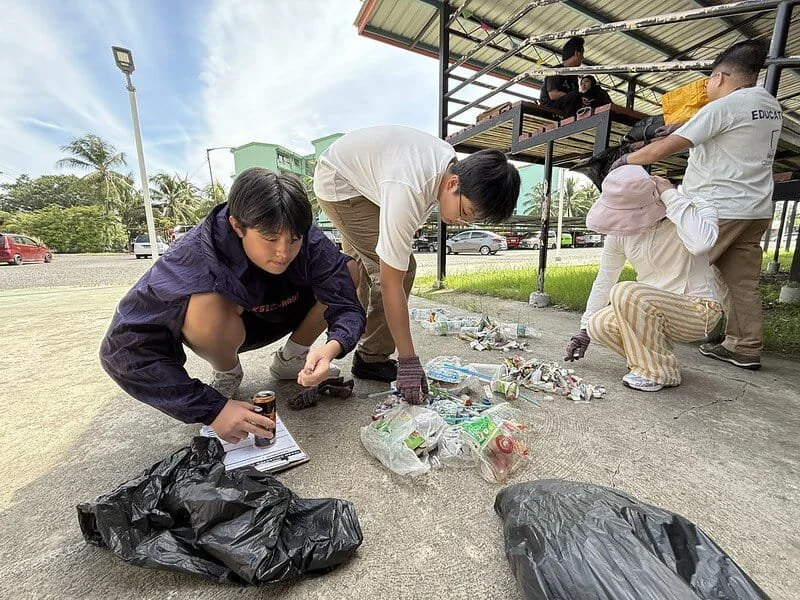
Students during one of our sustainability programs.
Integration starts before the trip begins. Schools that see stronger outcomes usually define a small number of clear learning objectives and link them directly to existing units of work. This might involve introducing key concepts in advance, setting inquiry questions, or assigning pre-trip tasks that prepare students to engage more critically on the ground.
During our programs, we aim for alignment through structured activities that connect directly to those objectives. This could include guided observations, short research tasks, or facilitated discussions that reference subject content students are already familiar with. The goal is to create continuity so that students recognize the trip as part of their academic journey rather than a separate experience.
After returning, integration becomes even more important. This is where programs may lose momentum. Schools can avoid this by building in clear follow-up outputs such as presentations, written reflections, or project work that ties back to curriculum themes. Teachers can also reference the trip in subsequent lessons, using shared experiences as case studies to deepen understanding.
From a planning perspective, we find that it helps to think of educational travel as a sequence rather than a standalone event. Pre-trip preparation, on-site learning, and post-trip application should all serve the same set of outcomes. When this structure is in place, the value of the experience becomes much easier to demonstrate to students, parents, and senior leadership.
What to Prioritize When Designing Educational Travel
Start with clear learning objectives before selecting destinations or activities
Use pre-trip framing to prepare students with context and key questions
Design on-site tasks that require active thinking, not passive observation
Build in post-trip outputs that connect directly to curriculum assessment
Ensure teachers are aligned on how the experience will be referenced after return
If you are planning to refine or expand your approach, our team at Beyond Classrooms can support you in designing programs that align with your curriculum, engage students more deeply, and deliver outcomes that are clearly visible beyond the trip itself.